Best Supplements for Football Players: The Evidence-Based Stack
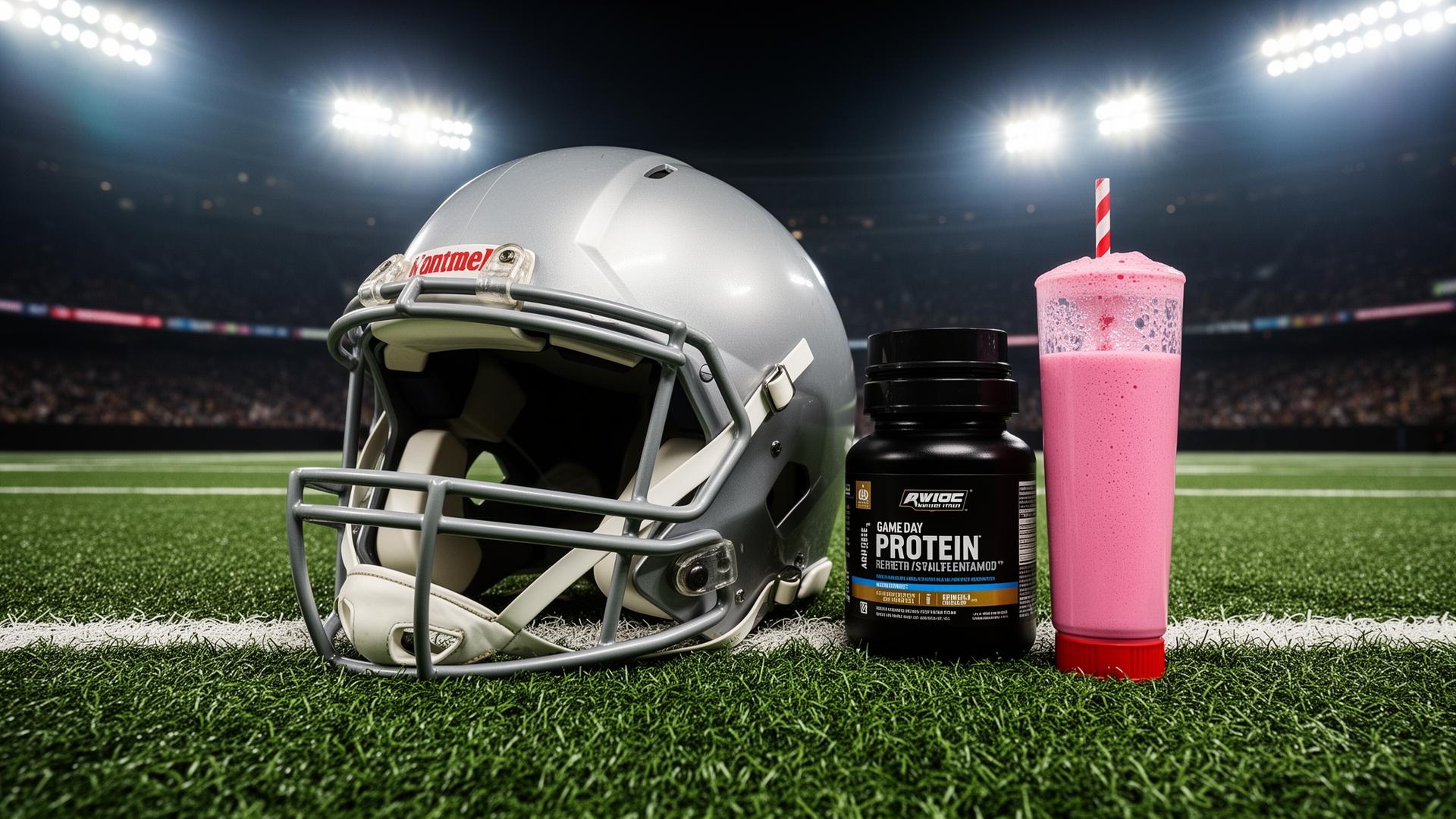
Football is a brutal sport: explosive power, repeated sprints, heavy collisions, and brutal recovery demands across a 16–20 week season. The right supplement stack accelerates training adaptation, protects the body across two-a-days, and shaves seconds off recovery. Here's what actually works—and what to skip.
The Non-Negotiable Foundation
1. Whey Protein (1–2 scoops/day)
Football players need 1.8–2.2 g protein per kg body weight. A 230 lb (104 kg) lineman is targeting 190–230 g/day. Whole food first—protein powder fills the gap. Whey isolate post-practice + casein pre-sleep is the gold standard.
2. Creatine Monohydrate (5 g/day)
The single most-validated performance supplement for football. Increases phosphocreatine stores by 10–40%, improving repeated sprint power, max strength, and recovery between plays. NCAA-legal, NFL-legal, NSF Certified for Sport available. Take daily—skip loading to avoid GI issues during camp.
3. Beta-Alanine (3.2–6.4 g/day)
Buffers lactate during repeated high-intensity efforts—exactly what football is. Saturates muscle carnosine over 2–4 weeks. Particularly valuable for skill positions running repeated routes and for linemen surviving 60+ play games.
4. Electrolytes (Daily, especially in summer)
Two-a-days, heat, and pads add up to massive sodium loss. Replace with 500–1,000 mg sodium per hour of practice, plus potassium and magnesium. Critical for cramp prevention and cognitive performance late in practice.
5. Omega-3s (2–3 g EPA+DHA/day)
Reduces inflammation, supports brain health (concussion-prone sport), and accelerates recovery. Especially important for linemen with high inflammatory load.
6. Vitamin D3 (2,000–5,000 IU/day)
Football players test deficient at high rates. D3 supports testosterone, bone health, immune function, and muscle recovery. Indoor turf practices reduce sun exposure—supplement year-round.
Optional Recovery Stack
- Tart cherry extract: 480 mg/day during two-a-days for DOMS reduction
- Magnesium glycinate: 300–400 mg pre-sleep for muscle relaxation and sleep quality
- Ashwagandha (KSM-66): 600 mg/day for cortisol management during heavy training blocks
- Curcumin (500–1,500 mg): Anti-inflammatory support during the season grind
What to Skip
- SARMs, prohormones, "test boosters": Banned, dangerous, often contaminated
- Heavy stim pre-workouts: Mask fatigue, mess with sleep, accelerate adrenal load
- Standalone BCAAs: Redundant when protein is on point
- Anything without third-party certification (NSF Certified for Sport, Informed Choice)
NCAA & NFL Compliance
NCAA athletes must use products certified by NSF Certified for Sport or Informed Choice. The NCAA banned substance list updates annually—always cross-check. Schools have nutrition staff who can audit your stack; use them.
Position-Specific Tweaks
- Linemen: Higher protein (2.2 g/kg), higher creatine recovery support, more omega-3s for inflammation
- Skill positions: Emphasize beta-alanine, electrolytes, and carbohydrate fueling for repeated sprints
- Quarterbacks: Lean toward cognitive support (tyrosine, omega-3s) and sleep optimization
- Defensive backs: Reaction time stack—creatine, caffeine (if tolerated), tyrosine
The Bottom Line
Football performance is built on the basics: protein, creatine, beta-alanine, electrolytes, omega-3s, vitamin D. Get those right, stay third-party certified, and you've already outperformed 80% of teammates relying on hype products.
Frequently Asked Questions
- What supplements should football players take?
- Core stack: creatine monohydrate (5 g/day), whey protein (1–2 scoops to hit 1.8–2.2 g/kg total daily protein), beta-alanine (3.2–6.4 g/day), electrolytes for two-a-days, omega-3s (2–3 g EPA+DHA), and vitamin D3 (2,000–5,000 IU).
- Is creatine legal in football?
- Yes. Creatine is legal at every level—NFL, NCAA, NFHS. It's the most-researched and most-used legal ergogenic aid in football. NSF Certified for Sport products are mandatory for NCAA athletes.
- Best supplements for high school football players?
- Stick to whey protein, creatine (after age 16 with parental approval), electrolytes, and a multivitamin. Avoid pre-workouts with high stims, fat burners, hormonal products. Always third-party tested.
- What supplements help football players recover?
- Tart cherry juice or extract, omega-3s, magnesium glycinate at night, casein protein pre-sleep, and adequate carbohydrate post-practice for glycogen restoration.
- Do football players need to take BCAAs?
- Not if total daily protein is on point. Whole protein sources and whey isolate already provide BCAAs in optimal ratios. Skip standalone BCAAs—they're outdated for athletes hitting protein targets.