Caffeine in Sports Nutrition: Benefits, Risks, and Optimal Dosing
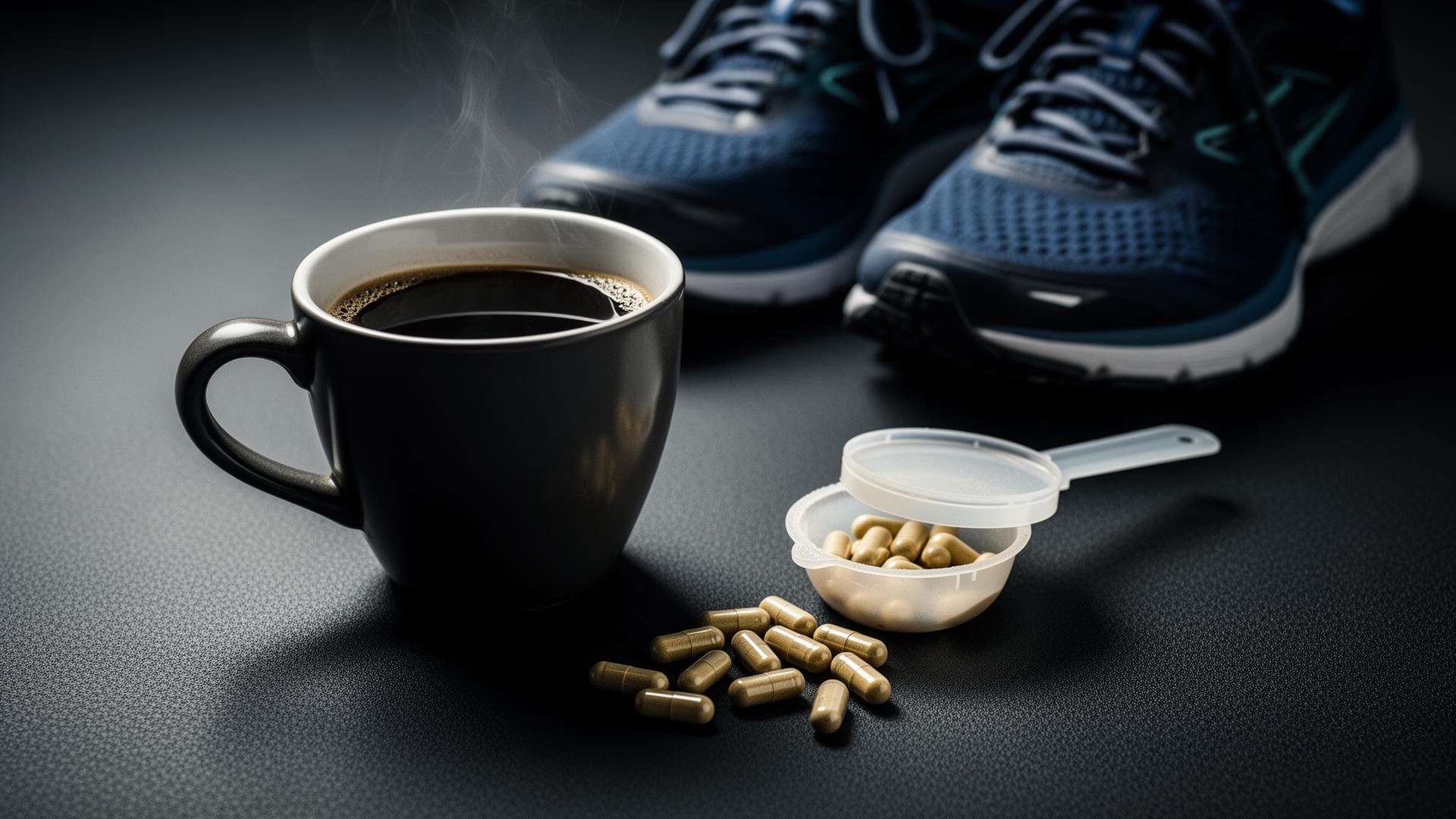
From coffee to pre-workouts, caffeine is the most researched ergogenic aid in sports science. The ISSN position stand confirms that 3–6 mg/kg enhances endurance, strength, and power across virtually all sports. Its mechanisms include adenosine receptor blockade (increasing alertness and catecholamine release), enhanced muscle calcium release, and reduced perceived effort.
Ergogenic Effects
Endurance Performance
Meta-analyses show 2–7% improvement in time-to-exhaustion and time trials. The effect is consistent and moderate-to-large in magnitude, making caffeine one of the most reliable performance enhancers for aerobic sports.
Strength and Power
Caffeine increases movement velocity, total reps, and jump performance. The effects are small-to-moderate but consistent. Recent research notes time-of-day effects—caffeine provides stronger morning benefits by countering the natural fatigue of early training sessions.
Cognitive Performance
Enhanced focus, vigilance, and reaction time are among caffeine's most consistent benefits. These cognitive effects are particularly valuable in team sports where decision-making under fatigue determines outcomes.
Timing: The 60-Minute Window
Peak plasma concentration occurs 45–90 minutes post-ingestion, making 60 minutes pre-exercise the standard recommendation for capsules and coffee. For long events, mid- or late-race caffeine combats accumulating fatigue—effect sizes actually increase with event duration.
Alternative Delivery Methods
Caffeine gum: Faster onset (15–30 min) due to buccal absorption—useful for quick pre-competition dosing. Mouth rinse: Activates central nervous system pathways without full ingestion, beneficial when stomach tolerance is an issue.
Tolerance Management
Habitual caffeine use builds tolerance. Daily consumption at 3 mg/kg reduces acute performance benefits over 15–20 days as adenosine receptors upregulate. Two strategies to maintain effectiveness:
Caffeine Withdrawal
A 3–7 day withdrawal period restores sensitivity. Time this during deload weeks or rest periods to manage headaches and fatigue. Full receptor sensitivity returns within a week for most individuals.
Dose Escalation
Higher doses (6 mg/kg) can compensate for tolerance in habitual users, though this increases side effect risk. Reserve higher doses for competition days rather than daily training.
Risks and Side Effects
At doses above 9 mg/kg, caffeine causes jitters, insomnia, GI distress, and anxiety. The general safety limit is <400 mg/day for most adults. Key considerations:
- Sleep: Caffeine's half-life is 5–6 hours. Avoid doses after early afternoon to protect sleep quality.
- GI tolerance: Some athletes experience stomach upset, especially with coffee. Capsules or gum may be better tolerated.
- Individual variation: Genetics (CYP1A2 gene) affect metabolism speed. Slow metabolizers may experience prolonged effects and more side effects at the same dose.
Practical Protocol
Training days: 3 mg/kg, 60 minutes pre-workout via coffee or capsule. Competition: 4–6 mg/kg for maximal benefit. Cycle: Withdraw for 3–7 days every 4–6 weeks to maintain sensitivity. Monitor sleep and adjust timing accordingly—caffeine is a powerful tool, but only when used strategically.
Frequently Asked Questions
- How much caffeine should athletes take?
- 3–6 mg/kg body weight is the evidence-based range. For a 70 kg athlete, that's 210–420 mg. The ISSN position stand confirms this dose enhances endurance, strength, and power across most sports.
- When should I take caffeine before exercise?
- 60 minutes pre-exercise for capsules/coffee (peak plasma at 45–90 min). Caffeine gum or mouth rinse has faster onset (15–30 min) and can be used mid-event.
- Does caffeine tolerance reduce its benefits?
- Yes. Daily use at 3 mg/kg reduces acute benefits over 15–20 days. A 3–7 day withdrawal period restores sensitivity. Alternatively, higher doses (6 mg/kg) can compensate in habitual users.
- What are the risks of too much caffeine?
- Above 9 mg/kg: jitters, insomnia, GI upset, and anxiety. General limit is 400 mg/day. Monitor sleep quality—caffeine's half-life is 5–6 hours, so avoid late-day doses.
- Does caffeine work for both endurance and strength?
- Yes. Endurance sees 2–7% improvement in time-to-exhaustion. Strength and power sports see small-to-moderate gains in velocity, reps, and jump performance. Cognitive benefits (focus, vigilance) apply across all sports.