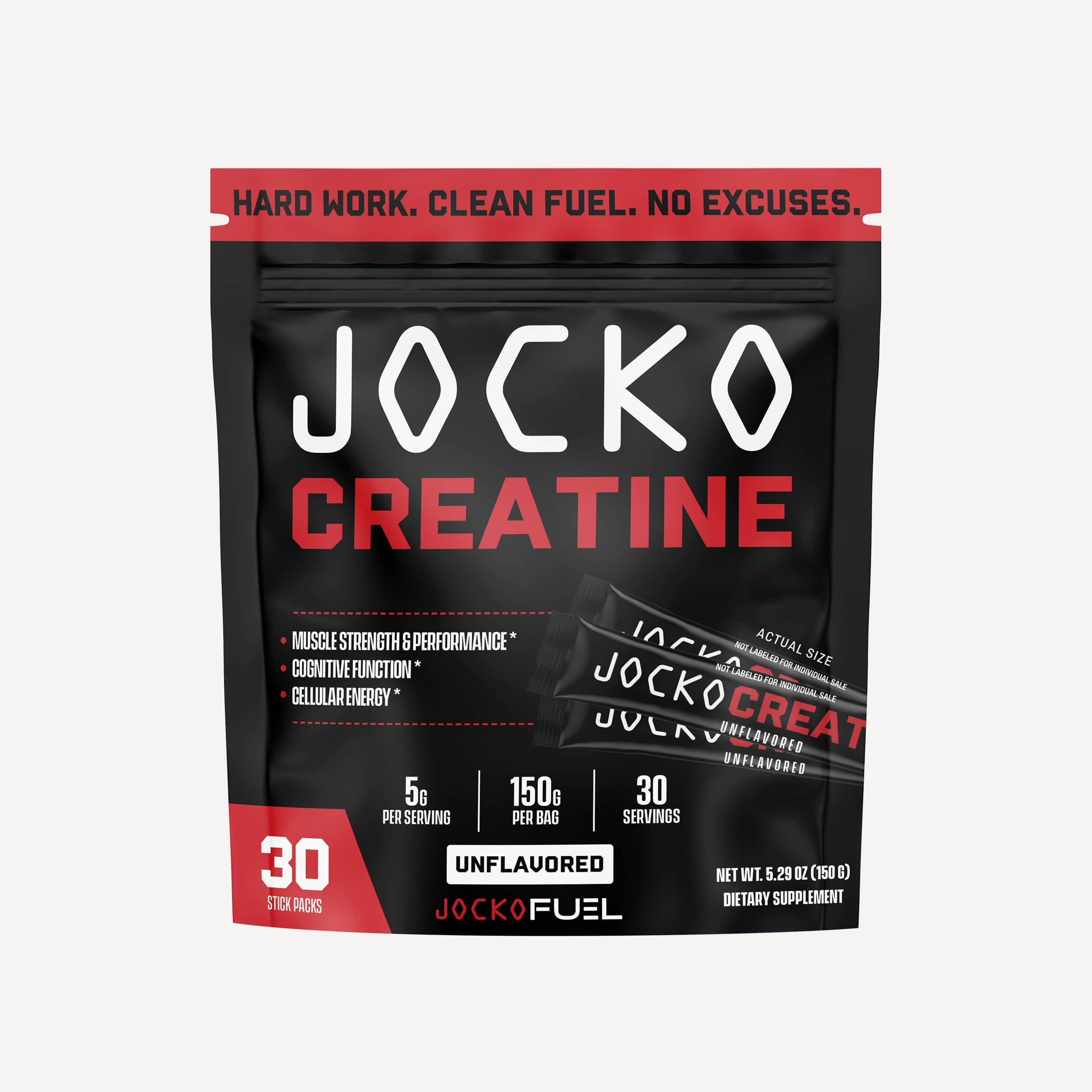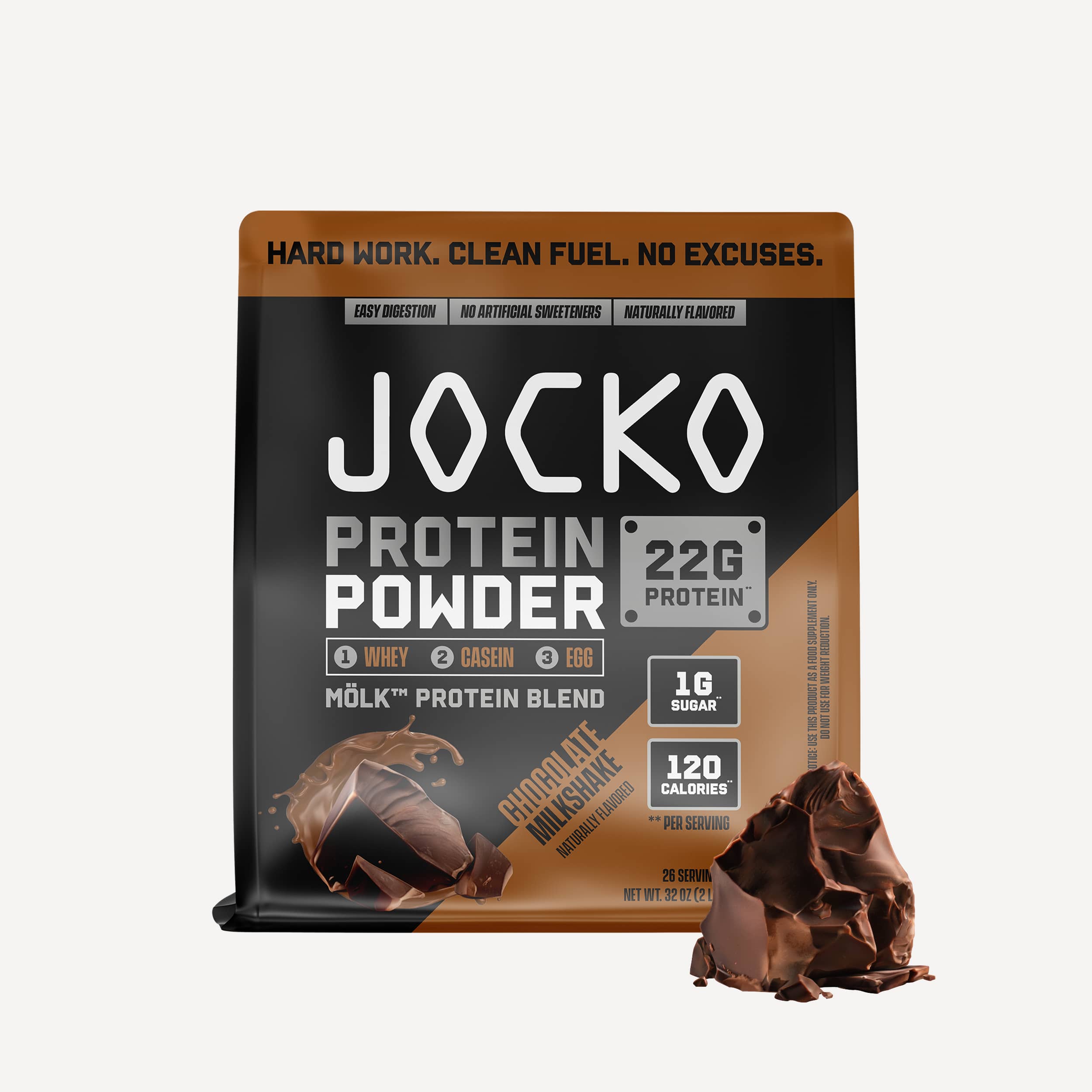
Creatine for Runners: Should Distance Athletes Supplement?
Creatine has a reputation as a "lifter's supplement." Walk into any running club and you'll hear runners dismiss it as bulky, water-retaining, and irrelevant to endurance. The evidence tells a different story. For runners who do any form of speed work, hills, or strength training—and almost every serious runner does—creatine is one of the most underused legal ergogenic aids available.
The Energy System Reality
Running is not purely aerobic. A 5K finish kick, a tempo hill, a track 400, a marathon surge—all draw on the phosphocreatine (PCr) energy system. Creatine supplementation raises intramuscular PCr stores by 10–40%, which translates to:
- Better repeated-sprint performance (intervals, fartleks)
- Faster recovery between hard efforts within a workout
- Greater training volume tolerance week-over-week
- Stronger finishing kicks in races
What the Research Shows for Endurance Athletes
A 2022 meta-analysis in Sports Medicine found creatine improved high-intensity intermittent performance by 6–15% in endurance athletes. Trained cyclists supplementing with creatine produced higher mean power across repeated sprints. Cross-country skiers showed enhanced recovery between efforts.
For pure steady-state aerobic capacity (VO₂max), creatine is neutral—it neither helps nor hurts. But the indirect benefits to training quality stack up across a season.
The Water Weight Question
Creatine pulls water into muscle cells, typically adding 1–3 lbs. For a 150 lb recreational runner, that's a 1–2% body weight increase—the equivalent of running with a partially-full water bottle. Most runners adapt within weeks and report no perceptible pace penalty.
Elite marathoners chasing a Boston Qualifier sometimes cycle off creatine 2–3 weeks before peak races. For everyone else: the recovery and training benefits outweigh the minor mass gain.
Creatine for Specific Race Distances
- 800m – 5K: Strong benefit. Sprint finishes, surges, and lactate buffering all improve.
- 10K – Half Marathon: Moderate benefit, mostly via training quality and late-race power.
- Marathon: Indirect benefit through better intervals and recovery; minimal acute race-day boost.
- Ultra: Useful for muscle damage attenuation and recovery across multi-day events.
- Trail / Hill Running: Significant benefit—repeated power efforts up climbs.
The Runner's Protocol
- Form: Creatine monohydrate (micronized for smoother mixing). Skip the trendy alternatives.
- Dose: 3–5 g/day, every day. Skip loading to avoid GI issues during training.
- Timing: Post-run with carbs + protein for best uptake.
- Hydration: Add 16–24 oz extra fluid daily, especially in heat.
- Stack: Pairs well with beta-alanine (lactate buffering) and electrolytes.
The Bottom Line
If you train hard enough to do intervals, race finishes, hill work, or strength sessions, creatine will make you a better runner over a training block. The water weight is overblown. The science is settled. The cost is pennies per day.
Frequently Asked Questions
- Should runners take creatine?
- Yes—evidence supports creatine for sprint finishes, hill repeats, interval training, and post-run recovery. The benefit is smaller for steady-state distance running, but still meaningful for race-day kicks and training adaptation.
- Will creatine make me slower from water weight?
- Creatine adds 1–3 lbs of intracellular water—not bloat. For sub-elite runners this is negligible (less than a water bottle). Elite marathoners sometimes cycle off 2–3 weeks before peak races; recreational runners rarely notice.
- Does creatine help marathon runners?
- Direct aerobic benefit is modest, but creatine improves training quality (intervals, tempo runs, weight training), accelerates recovery, and may protect against neuromuscular fatigue late in races. It's an indirect performance lever.
- How should runners dose creatine?
- Skip the loading phase to avoid GI distress mid-training cycle. Take 3–5 g/day, every day, with a meal. Hydrate well—your kidneys appreciate it, especially during heat training.
- Best time of day for runners to take creatine?
- Timing doesn't matter much for total saturation. Most runners prefer post-run with their recovery meal so it pairs with carbs and protein for optimal uptake.