Vegan Sports Nutrition: Plant-Based Protein and Performance
Going plant-based? With proper planning, vegan athletes can match—and in some cases exceed—omnivorous performance. Recent 2024–2025 reviews show well-planned vegan diets deliver equivalent results for muscle synthesis, strength, and recovery when macros are matched. Benefits include high carbohydrate and antioxidant intake for endurance, plus reduced inflammation.
The challenges are real but solvable: lower bioavailability of protein, B12, vitamin D, iron, and omega-3s can all be addressed through strategic food combinations and targeted supplementation.
Complete Proteins: Pea + Rice and Beyond
Athletes need 1.6–2.2 g/kg/day of protein, split across 3–4 meals. Plant proteins often contain lower leucine (the amino acid that triggers muscle protein synthesis), but blends match whey's effectiveness. Meta-analyses confirm pea/rice/soy blends are equivalent for hypertrophy and strength when total intake is matched.
Top Plant Protein Sources
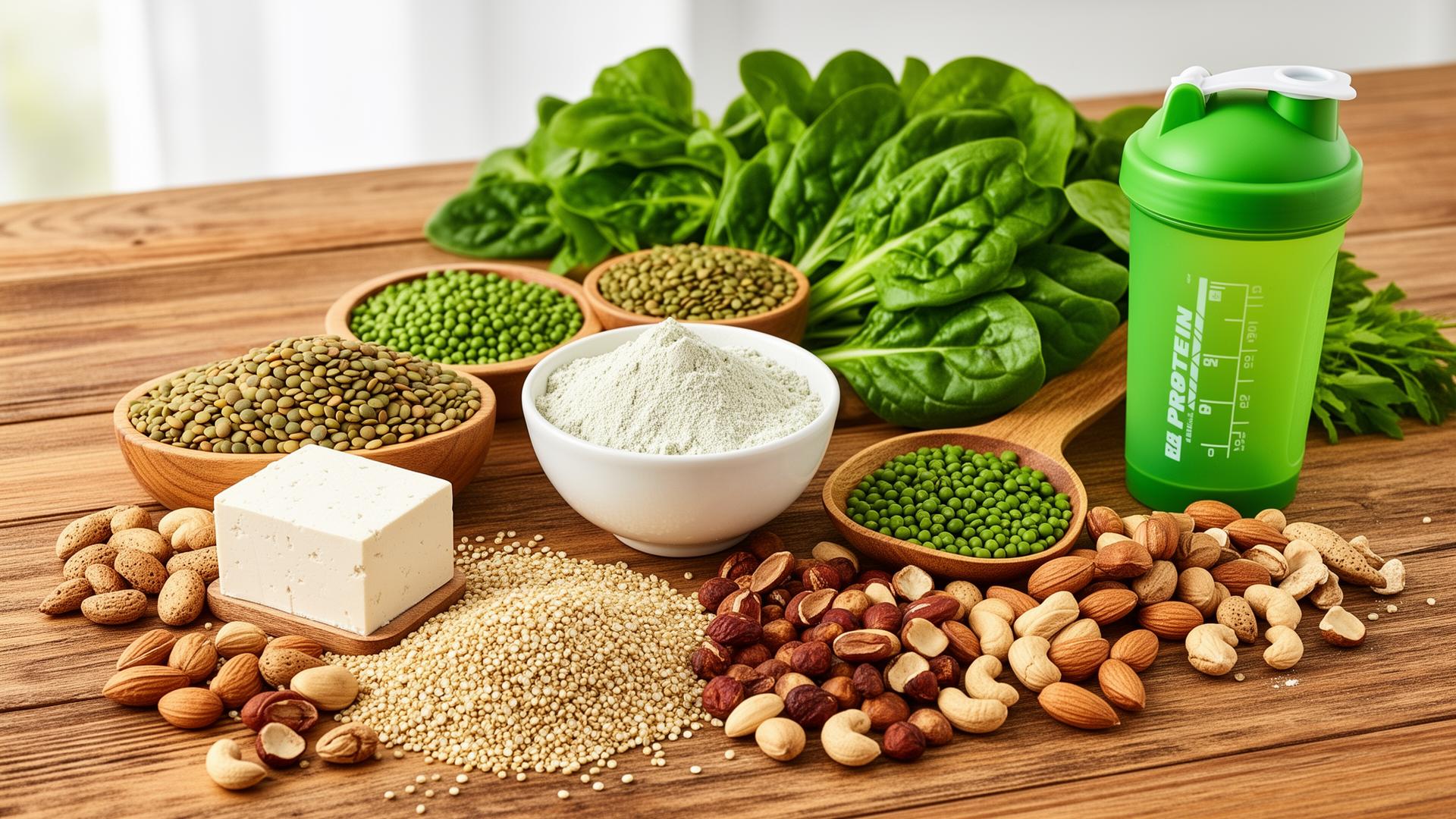
Tofu (20g/100g), tempeh, lentils, quinoa, and hemp are staples. Combine grains + legumes for a complete amino acid profile—classic pairings like rice and beans have been used by cultures worldwide for centuries.
For resistance training: aim for 20–40g per meal and prioritize leucine-rich sources like soy. For endurance: the naturally higher carbohydrate content of plant-based diets aids glycogen storage—a built-in advantage.
B12 and Vitamin D Gaps
Vitamin B12
B12 is completely absent in plant foods. Deficiency causes anemia and fatigue—vegan athletes are at particularly high risk. The ISSN recommends mandatory supplementation: 500–1,000 mcg cyanocobalamin daily or adequate intake through fortified foods like nutritional yeast, plant milks, and cereals.
Vitamin D
Common deficiency in athletes regardless of diet, but vegan sources are limited. Supplement with 2,000–4,000 IU D3 daily (lichen-sourced for vegan compliance) if sun exposure is low. Supplementation restores levels and supports muscle function and bone density.
Other Key Nutrients
Iron: Pair plant sources with vitamin C for 2–3x better absorption. Zinc: Nuts, seeds, and legumes are good sources. Omega-3: Algal DHA/EPA at 250–500 mg daily replaces fish oil effectively.
Athlete Success Stories
Novak Djokovic
Plant-based since 2016, Djokovic credits his longevity and recovery to anti-inflammatory plant foods. His continued dominance in professional tennis demonstrates that elite performance is achievable on a vegan diet.
Endurance Athletes
Elite runners and triathletes increasingly thrive on high-carb vegan fueling strategies. The naturally carbohydrate-rich nature of plant-based eating aligns perfectly with endurance demands. 2025 studies show no performance detriment, with some athletes reporting endurance gains from antioxidant-rich diets.
The Common Thread
Every successful vegan athlete emphasizes planning. Poor planning risks deficiencies—regular bloodwork monitoring is essential. The difference between a thriving vegan athlete and a struggling one is almost always nutritional awareness.
Practical Strategy
Build your vegan performance stack: pea/rice protein blend for training, B12 and vitamin D supplements daily, algal omega-3 for recovery, and iron if bloodwork indicates need. Track protein intake across meals to ensure you're hitting 1.6–2.2 g/kg, and monitor bloodwork every 3–6 months to catch deficiencies early.
Frequently Asked Questions
- Can vegan athletes build as much muscle as omnivores?
- Yes. Meta-analyses and 2024–2025 reviews show well-planned vegan diets match omnivorous for hypertrophy and strength when total protein intake and leucine content are matched. Pea/rice/soy blends are equivalent to whey for muscle protein synthesis.
- What's the best vegan protein combination?
- Pea + rice protein provides a complete amino acid profile that matches whey. Other excellent combos include grains + legumes (e.g., rice and beans). Aim for 20–40g protein per meal with leucine-rich sources like soy.
- Do all vegans need B12 supplements?
- Yes. B12 is absent in plant foods, and deficiency causes anemia and fatigue. The ISSN recommends mandatory supplementation: 500–1,000 mcg cyanocobalamin daily or adequate fortified food intake.
- What about omega-3 on a vegan diet?
- Use algal-sourced DHA/EPA at 250–500 mg daily. Algal oil provides the same omega-3s found in fish oil, with studies showing equivalent efficacy for reducing inflammation and supporting recovery.
- Are there performance advantages to a vegan diet?
- Potentially. Plant-based diets are naturally high in carbohydrates and antioxidants, which benefit endurance performance and reduce exercise-induced inflammation. Some studies show endurance gains from antioxidant-rich plant foods.