Sports Nutrition for Aging Athletes: Maintaining Performance Over 40
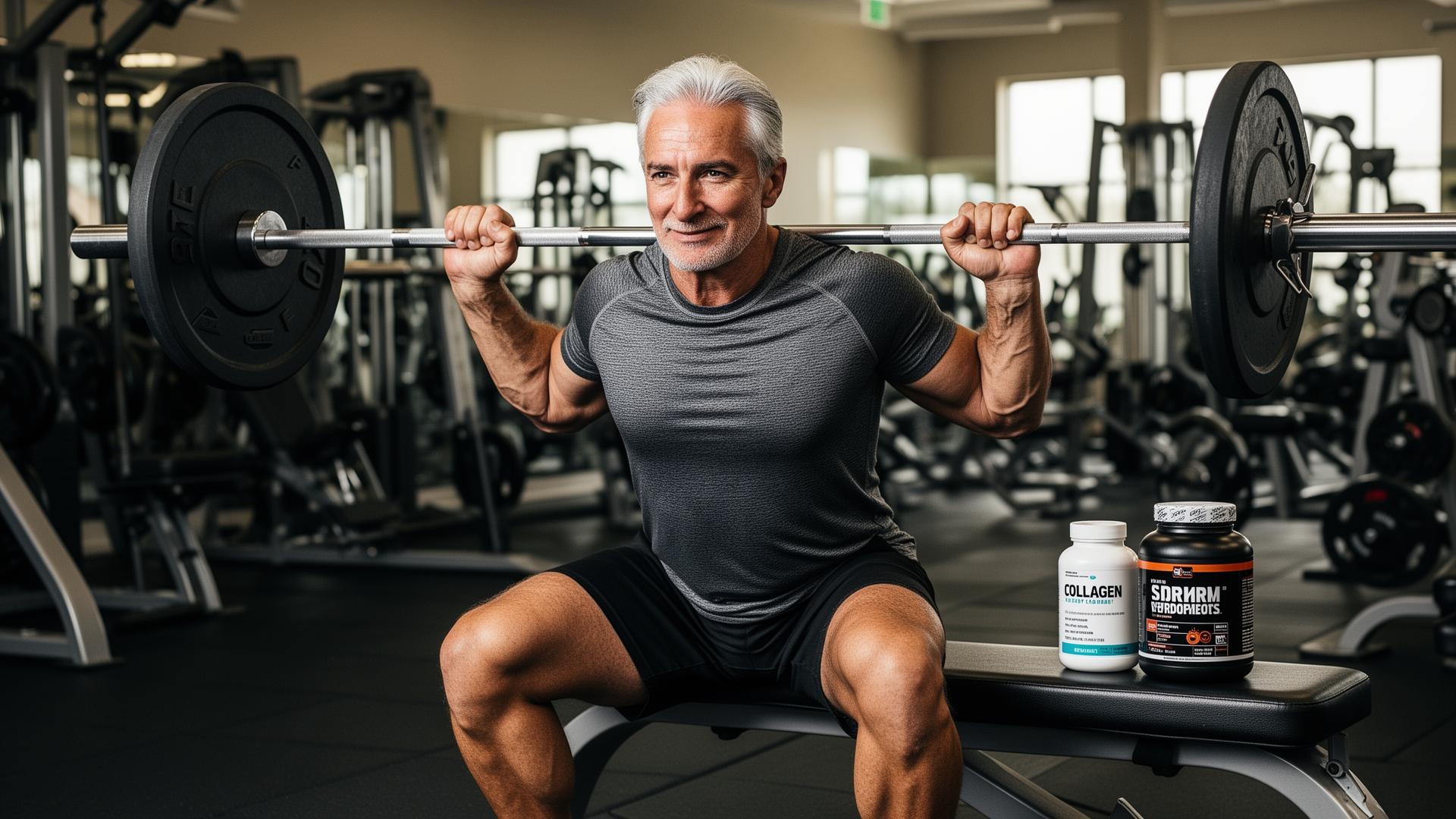
Age is just a number—with smart sports nutrition. After 40, sarcopenia (muscle loss of 1–2% per year) and anabolic resistance reduce strength and endurance. Hormonal declines in testosterone, IGF-1, and estrogen, combined with increased inflammation and mitochondrial dysfunction, accelerate this decline. But research shows resistance training + targeted nutrition effectively counters these changes.
Collagen Peptides: The Masters Athlete's Edge
Type I collagen peptides at 10–15 g/day improve joint pain, bone mineral density (BMD), and muscle strength when combined with resistance training. A 2025 network meta-analysis found collagen superior to placebo for strength and fat-free mass gains (SMD 0.41–0.94).
The Research
A 24-week trial of collagen + resistance training improved body composition and neuromuscular fitness in active adults. Earlier studies in sarcopenic older men showed significant lean mass and strength gains. The mechanism: collagen peptides stimulate fibroblasts, promote collagen synthesis in tendons and cartilage, and reduce joint inflammation.
Dosing
10–15 g/day of hydrolyzed collagen peptides, ideally taken peri-workout (30–60 minutes before training with vitamin C for enhanced synthesis). Consistency matters—benefits accumulate over 12–24 weeks of daily supplementation.
Hormone Support Through Nutrition
Vitamin D
2,000–4,000 IU daily supports muscle function, bone density, and testosterone levels—all declining after 40. Deficiency is common and linked to increased injury risk. Combined with adequate protein and resistance training, vitamin D supplementation improves both mass and strength outcomes.
Magnesium and Zinc
Both minerals support testosterone and IGF-1 production. Magnesium also aids muscle relaxation, sleep quality, and energy metabolism. Zinc supports immune function and protein synthesis. Aim for 400 mg magnesium and 15–30 mg zinc daily from food and supplements.
Omega-3 Fatty Acids
1–3 g EPA+DHA daily reduces chronic inflammation, supports joint health, and may enhance anabolic signaling in older muscle. Particularly important for masters athletes dealing with joint stiffness and slower recovery between sessions.
Training and Nutrition Adaptations
Higher Protein Requirements
Anabolic resistance means older muscles need more protein per meal to trigger muscle protein synthesis. Target 1.6–2.2 g/kg/day, distributed across 4+ meals with 30–40 g leucine-rich protein at each. Evening protein (casein or cottage cheese) supports overnight recovery.
Resistance Training
2–3x/week with progressive overload remains the single most powerful intervention against sarcopenia. Combine with adequate protein and collagen supplementation for joint protection. Add aerobic training for cardiovascular health and metabolic flexibility.
Practical Protocol for Masters Athletes
Daily stack: Collagen peptides (10–15 g pre-workout), vitamin D (2,000–4,000 IU), creatine (5 g), omega-3 (1–3 g EPA+DHA). Meals: 4+ protein-rich meals (30–40 g each) with leucine-rich sources. Training: RT 2–3x/week with progressive overload. Monitoring: Bloodwork every 6 months (vitamin D, testosterone, inflammatory markers). This evidence-based approach maintains strength, protects joints, and supports hormonal health well beyond 40.
Frequently Asked Questions
- How much protein do athletes over 40 need?
- 1.6–2.2 g/kg/day, distributed across 4+ meals with leucine-rich sources at each. Anabolic resistance means older muscles need higher per-meal protein (30–40g) to trigger the same muscle protein synthesis response as younger athletes. Prioritize animal proteins or leucine-enriched plant blends.
- Does collagen supplementation actually work for joints?
- Yes. Meta-analyses show 10–15 g/day of hydrolyzed collagen peptides improves joint pain, bone mineral density (femoral neck and spine), and muscle strength when combined with resistance training. A 24-week trial showed improved body composition and neuromuscular fitness in active adults.
- What supplements should masters athletes prioritize?
- In order: 1) Collagen peptides (10–15 g/day) for joints/bones, 2) Vitamin D (2,000–4,000 IU) for muscle function and testosterone support, 3) Creatine (5 g/day) for strength and cognitive benefits, 4) Omega-3s (1–3 g EPA+DHA) for inflammation, 5) Magnesium/zinc for hormonal support.
- Can you reverse sarcopenia with nutrition and exercise?
- You can significantly slow and partially reverse it. Resistance training 2–3x/week combined with adequate protein (1.6–2.2 g/kg), collagen peptides, and vitamin D produces meaningful gains in lean mass and strength even in older adults. Collagen + RT showed superior strength and fat-free mass gains vs. placebo (SMD 0.41–0.94).
- How does vitamin D support aging athletes?
- Vitamin D supports muscle function, bone density, immune health, and testosterone levels—all of which decline with age. Deficiency is common in adults over 40 and is linked to increased injury risk and reduced strength. Supplement 2,000–4,000 IU daily and test levels every 6 months.