Omega-3 Supplements for Joint Health and Recovery
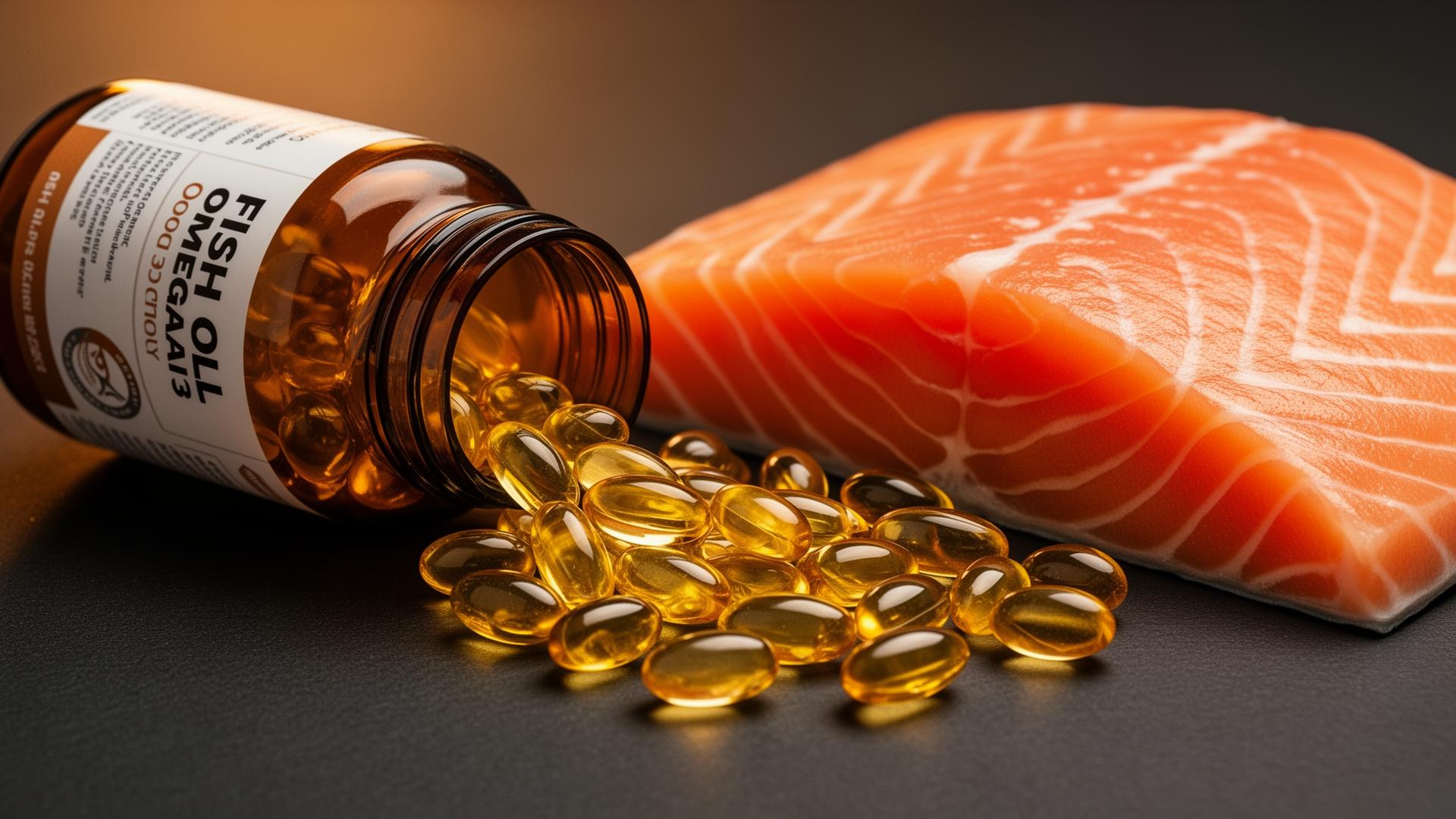
Inflammation kills gains. Omega-3 fatty acids—specifically EPA and DHA—are among the most researched supplements for athletic recovery, joint health, and inflammation management. In 2026, vegan algal sources have reached parity with fish oil, giving every athlete access to these critical nutrients.
EPA/DHA Benefits for Athletes
EPA and DHA reduce pro-inflammatory cytokines, the signaling molecules responsible for post-exercise soreness and swelling. A meta-analysis (PMID 38999792) shows omega-3 supplementation lowers creatine kinase (CK) by 20%, a key marker of muscle damage.
Systematic reviews confirm reduced delayed-onset muscle soreness (DOMS) with consistent omega-3 intake. Benefits extend beyond recovery: omega-3s incorporate into cell membranes, producing resolvins—specialized molecules that actively resolve inflammation rather than simply suppressing it.
For athletes, this means less post-exercise swelling, improved joint flexibility, and faster return to training. Narrative reviews note improved endurance capacity and delayed muscle soreness onset in supplemented athletes.
Dosage for Athletes
The evidence-based range is 1–3 g/day of combined EPA/DHA. Research suggests 2 g/day as the optimal dose for most athletes, with recovery-focused protocols using 3 g post-workout.
Timing: Take daily with meals containing fat for maximum absorption. Athletes in contact sports or high-impact training benefit from doses at the higher end of the range.
Consistency matters more than timing—omega-3s accumulate in tissues over weeks, so daily adherence is critical. Most studies show measurable benefits emerging after 2–4 weeks of supplementation.
Vegan Alternatives: Algal Oil
Algal oil is derived from microalgae—the same source fish obtain their omega-3s from—making it an effective and sustainable alternative. Studies show algal omega-3 reduces soreness similarly to fish oil.
Recommended dose: 250–500 mg combined DHA/EPA from algal sources. It's effective for both amateur and professional athletes, with identical bioavailability to fish-derived omega-3s when dosed equivalently.
Integration with Supplement Stacks
Omega-3 + Vitamin D
This pairing creates synergistic anti-inflammatory effects. Vitamin D enhances omega-3 incorporation into cell membranes, amplifying the anti-inflammatory response. Together, they support both joint health and bone density.
Omega-3 + Curcumin
Curcumin (from turmeric) targets a different inflammatory pathway than omega-3s. Combining them provides broader anti-inflammatory coverage, particularly useful for athletes dealing with chronic joint stress.
Omega-3 + Protein
Post-workout, pairing omega-3s with protein optimizes both muscle repair and inflammation resolution. The omega-3s reduce damage markers while protein provides the amino acids for tissue rebuilding.
Start supplementing today with a quality omega-3—whether fish oil or algal—and give your joints and muscles the recovery support they need. Consistent, dosed supplementation is one of the highest-return investments in any athlete's stack.
Frequently Asked Questions
- How much omega-3 should athletes take?
- 1–3 g/day of combined EPA/DHA is recommended. For recovery-focused supplementation, 2–3 g post-workout is optimal based on meta-analyses.
- Is fish oil or algal oil better?
- Both are effective. Algal oil matches fish oil's efficacy for EPA/DHA delivery and is suitable for vegans. Dose: 250–500 mg DHA/EPA from algal sources.
- How long does it take for omega-3 to work?
- Most studies show measurable reductions in inflammation markers after 2–4 weeks of consistent supplementation at therapeutic doses.
- Can omega-3s reduce DOMS?
- Yes. Meta-analyses show omega-3 supplementation lowers creatine kinase (a marker of muscle damage) by approximately 20%, reducing delayed-onset muscle soreness.
- What should I stack omega-3 with?
- Vitamin D for synergistic anti-inflammatory effects, curcumin for enhanced inflammation reduction, and protein for optimized muscle repair.