Best Protein Powder for Women: 2026 Buyer's Guide
The supplement aisle wants you to believe women need a different kind of protein. They don't. What women need is the same high-quality, third-party-tested protein men need—matched to their goals and calorie needs. Here's how to pick the right one without falling for pink-packaging tax.
How Much Protein Women Actually Need
The federal RDA (0.8 g/kg) is a survival floor—not an optimization target. Active women need 1.4–2.0 g protein per kg body weight per day. Pregnant, breastfeeding, and perimenopausal women trend higher.
- Sedentary: 0.8–1.0 g/kg
- Active / weight training: 1.4–2.0 g/kg
- Endurance athletes: 1.4–1.8 g/kg
- Pregnant: +15–25 g/day above baseline
- Postmenopausal: 1.8–2.2 g/kg (bone + muscle protection)
What to Look For (and What to Skip)
Look For:
- 20–25 g protein per scoop—enough to trigger MPS without overloading calories
- Third-party tested (NSF Certified for Sport, Informed Choice, USP)
- Low added sugar (under 3 g per serving)
- Clean ingredient deck—no artificial colors, no proprietary blends
- Lactose-free option if you're sensitive (whey isolate or plant blends)
Skip:
- "Women's" formulas with proprietary hormone-balancing blends
- Added caffeine or "fat burner" ingredients
- Sugar alcohols that cause GI distress
- Mega-vitamin add-ins (better dosed via a separate multivitamin)
Best Protein by Goal
For Lean Muscle & Toning
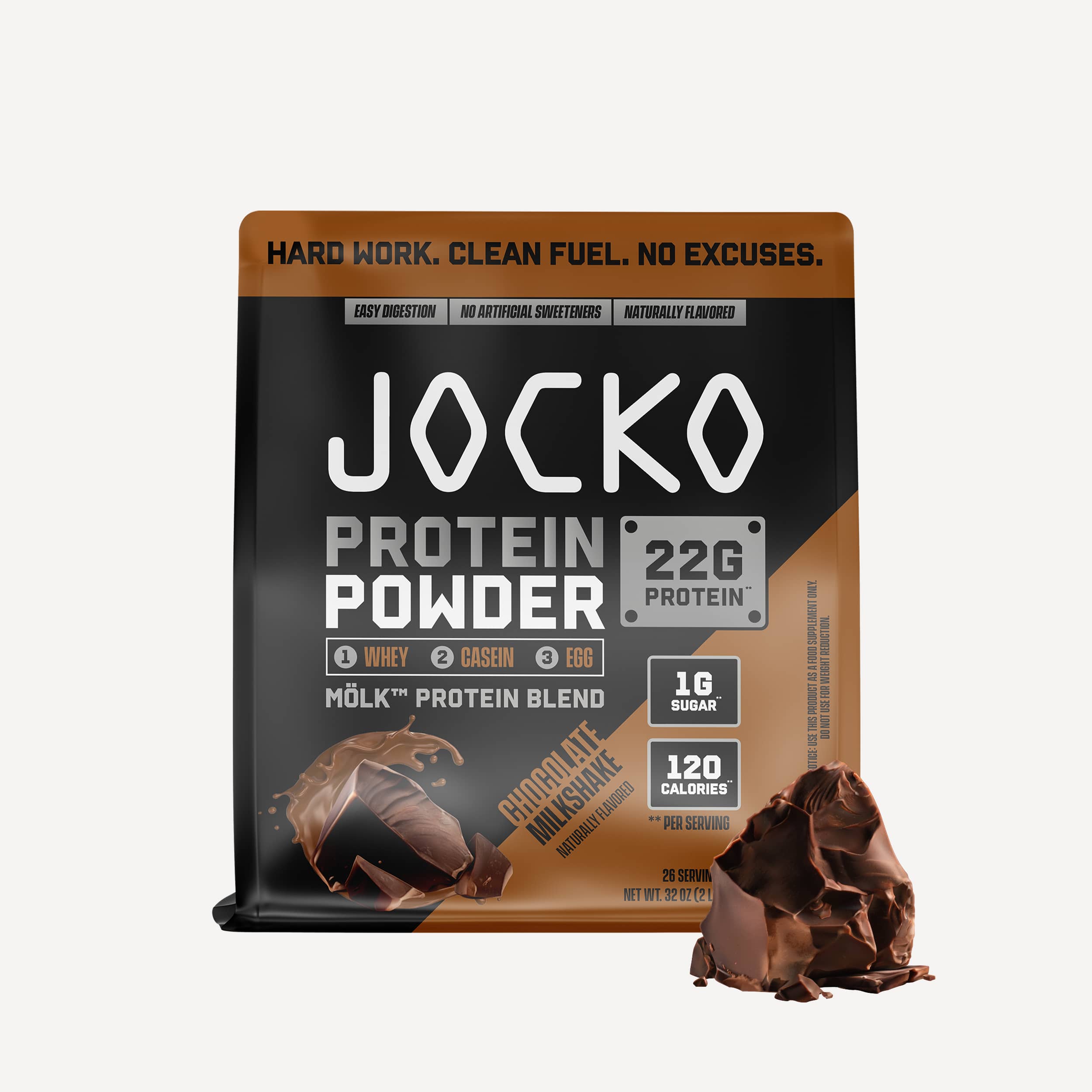
Whey protein isolate—fast absorption, complete amino profile, high leucine (~2.5–3 g per scoop). Take post-workout and one additional feeding per day.
For Weight Loss
Whey isolate (high satiety, low cal) + casein at night (slow digestion, hunger control). Keep total scoops to 1–2/day; food protein should still anchor the diet.
For Plant-Based
Pea + rice blend for complete amino profile. Look for blends explicitly listing leucine content. Hemp adds omega-3s but is low protein per scoop.
For Pregnancy & Postpartum
Clean whey or whey-casein blends. Avoid pre-workout-style "women's" blends with caffeine, ashwagandha, or unproven hormone ingredients. Always consult your OB.
For Menopause & Beyond
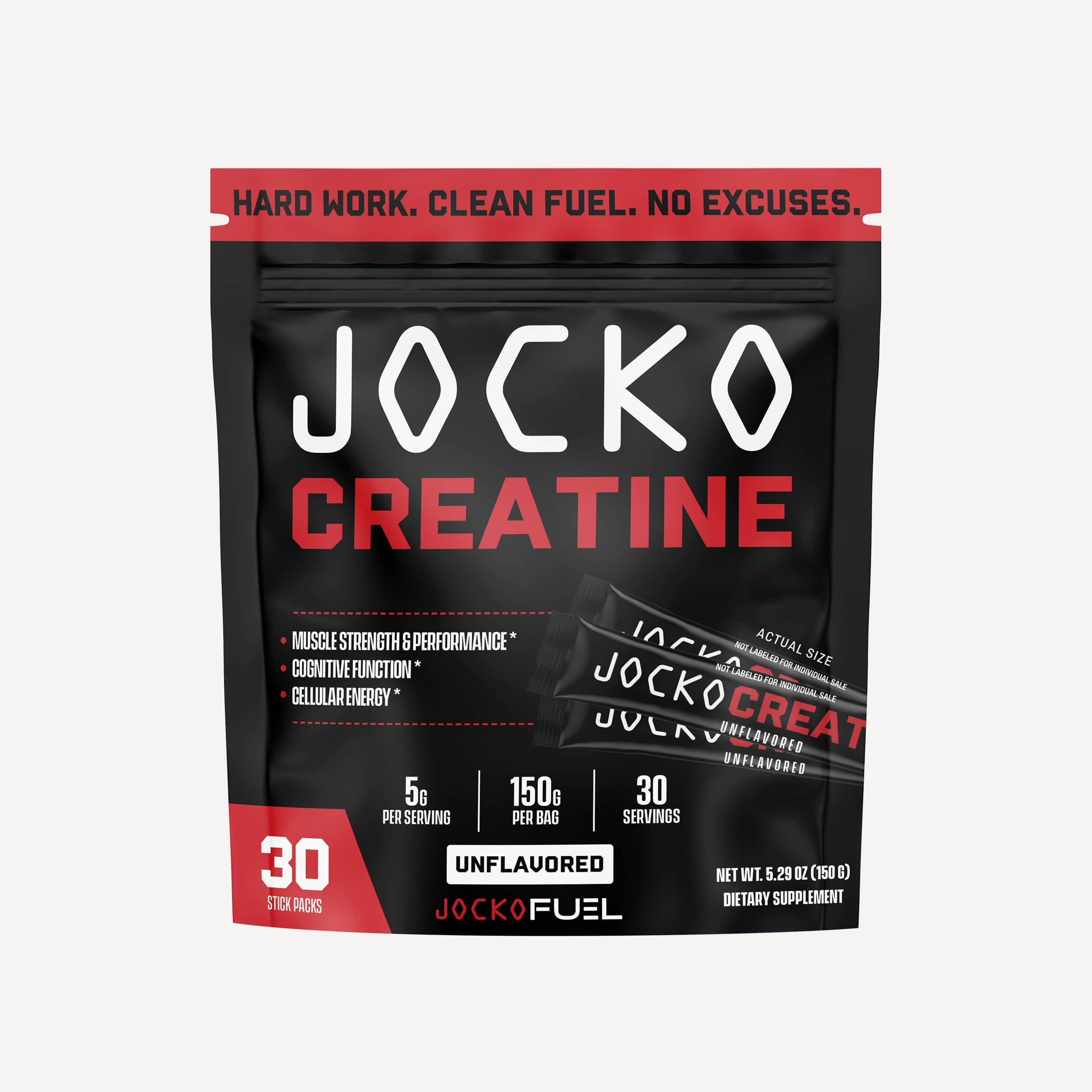
High-protein-per-scoop (25–30 g) whey isolate. Distribute across 4–5 meals to combat sarcopenia. Consider creatine (3–5 g/day) alongside protein for bone and muscle preservation.
The Bottom Line
The "best protein for women" is the same as the best protein for anyone: clean, third-party tested, dosed correctly, and matched to your goal. Skip the marketing tax. Focus on the label.
Frequently Asked Questions
- Do women need a 'women's' protein powder?
- No—protein is protein. 'Women's' formulas are marketing in pink packaging. What matters: protein source (whey isolate, casein, or pea), no added sugar, third-party testing, and ingredients you actually need (collagen, iron, biotin add-ons are nice but optional).
- How much protein do women need per day?
- Active women need 1.4–2.0 g/kg body weight daily. For a 140 lb (64 kg) woman: 90–130 g. Pregnant and breastfeeding women need an additional 15–25 g/day above baseline.
- Best protein for women trying to lose weight?
- Whey isolate (20–25 g per scoop, under 120 cal, no added sugar) maximizes satiety per calorie. Casein at night extends satiety overnight. Both preserve lean muscle during a deficit.
- Is whey protein safe during pregnancy?
- Generally yes—whey is a clean, third-party-tested protein. Avoid pre-workout style 'women's' blends with caffeine, herbal stimulants, or unproven hormone modulators. Always check with your OB.
- Best protein for menopausal women?
- Higher daily protein (1.8–2.2 g/kg) protects against sarcopenia and bone loss. Whey + casein blends, taken across 4–5 feedings, support lean mass through hormonal shifts.