Protein Powder for Weight Loss: How It Actually Helps
Protein powder won't burn fat on its own—nothing does that except a calorie deficit. But protein is the most powerful nutritional tool for making that deficit sustainable, protecting muscle, and accelerating results. Here's the mechanism, the science, and the protocol.
Why Protein Wins for Fat Loss
1. Satiety
Protein is the most filling macronutrient per calorie. Multiple studies show high-protein meals reduce subsequent calorie intake by 200–400 kcal compared to high-carb or high-fat meals of equal calorie content. Less hunger = easier adherence = real weight loss.
2. Thermic Effect of Food (TEF)
Digesting protein burns 20–30% of its calories—vs. 5–10% for carbs and 0–3% for fat. A 200 g/day protein intake "costs" your body roughly 160 calories just to process. That's a free metabolic boost.
3. Muscle Preservation in a Deficit
When you cut calories, your body breaks down both fat and muscle. High protein (1.6–2.4 g/kg) plus resistance training preserves nearly all your lean mass—keeping resting metabolism elevated and producing the "toned" look people actually want.
How Much Protein During a Cut
The evidence-based range for fat loss is 1.6–2.4 g/kg body weight. The deeper the deficit, the higher the protein needs (more muscle is at risk).
- 140 lb (64 kg): 100–155 g/day
- 180 lb (82 kg): 130–195 g/day
- 220 lb (100 kg): 160–240 g/day
Most people undershoot by 30–50 g/day. That's where a single 25–50 g protein scoop changes the math.
Best Protein Powders for Weight Loss
Whey Isolate (Best All-Around)
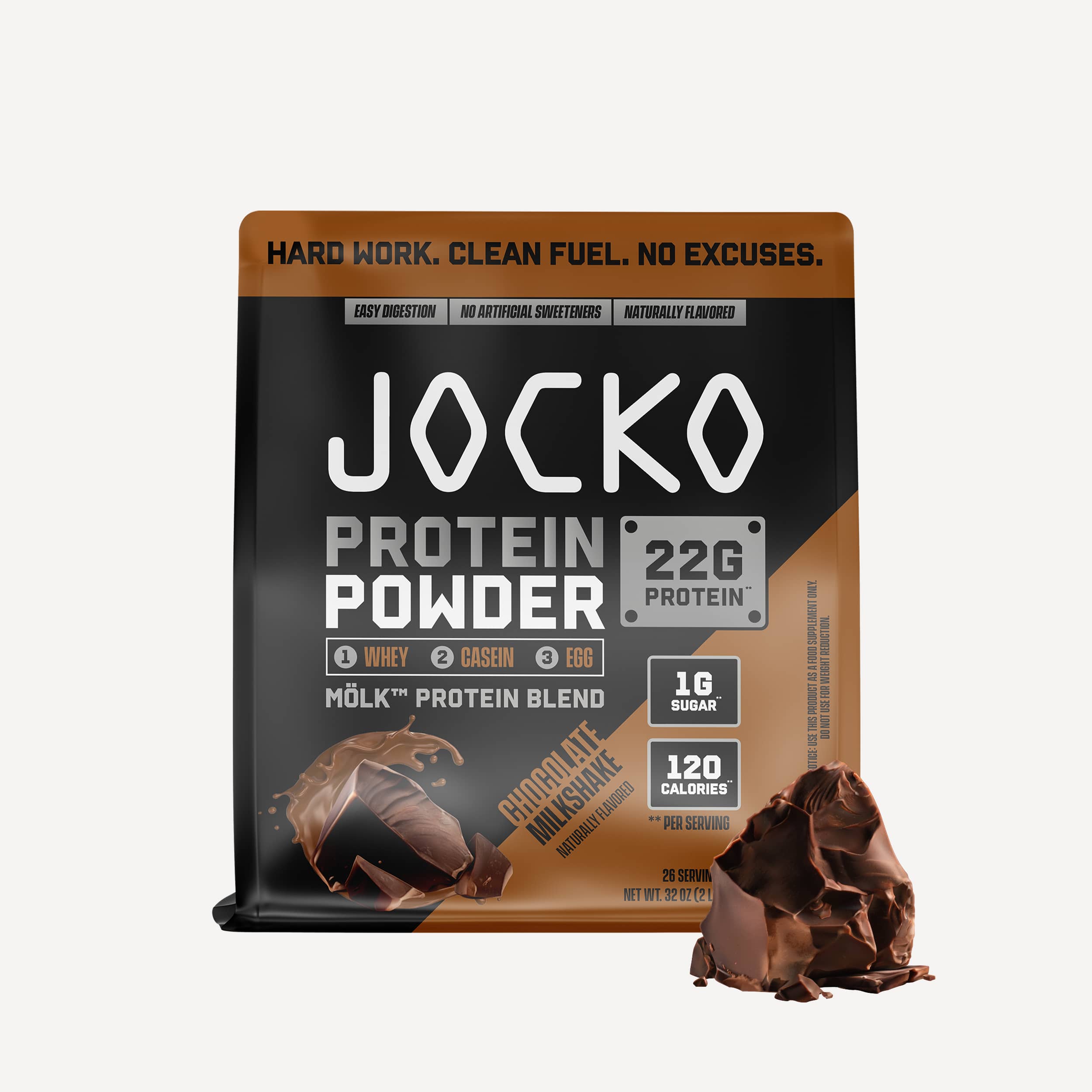
90%+ protein by weight, fast-digesting, high leucine. Typical macros: 25 g protein, 110 cal, 1 g carb, 0–1 g fat. Maximum protein per calorie. Use post-workout and between meals.
Casein (Best for Overnight)
Slow-digesting milk protein. 30–40 g before bed extends satiety through the night and supports overnight muscle protein synthesis. Greek yogurt or cottage cheese works just as well.
Plant Protein (Best for Plant-Based Cutters)
Pea + rice blends provide complete amino profile. Slightly lower protein per scoop—plan accordingly. Often higher fiber, which adds satiety.
What to Avoid
- "Mass gainer" powders: 500–1,000 cal per scoop—the opposite of what you want
- Meal replacement shakes with added sugar: Often more carbs than protein
- "Fat burner" protein blends: Caffeine and stims belong elsewhere, not in your protein
The Practical Cutting Protocol
- Hit 1.8–2.2 g/kg protein daily, food-first
- Use 1–2 scoops/day to fill the gap (post-workout, between meals, or pre-sleep)
- Lift weights 3–5x/week to signal muscle retention
- Stay in a 300–500 kcal deficit—not more
- Sleep 7–9 hours; sleep deprivation tanks fat loss and amplifies hunger
The Bottom Line
Protein powder doesn't burn fat—but it makes the diet that does burn fat work. Use it strategically, hit your daily protein target, lift weights, and the scale will move.
Frequently Asked Questions
- Does protein powder help you lose weight?
- Indirectly, yes. Protein is the most satiating macronutrient, has the highest thermic effect (20–30% of calories burned in digestion), and preserves lean muscle in a calorie deficit—keeping metabolism elevated. Protein powder is a convenient tool for hitting daily targets.
- How much protein should I eat to lose weight?
- 1.6–2.4 g/kg body weight daily during a cut. For a 180 lb (82 kg) person, that's 130–195 g/day. Higher protein protects muscle and reduces hunger more than any other dietary lever.
- Best protein powder for cutting?
- Whey isolate—high protein, low calorie, low carb, low fat. Look for 20–25 g protein, under 120 calories, under 3 g sugar. Pair with casein at night for overnight satiety.
- Will protein shakes make me gain weight?
- Only if they push you into a calorie surplus. A 25 g whey scoop is ~110 cal. Replacing a 400-cal snack with a protein shake creates a deficit. Calories ultimately determine weight change.
- When to drink protein shakes for weight loss?
- Most effective uses: as a meal replacement when you'd otherwise skip and overeat later, between meals to crush hunger, or post-workout to protect lean mass. Pre-sleep casein extends satiety overnight.