Best Supplements for Soccer Players: The Science-Backed 90-Minute Stack
A soccer match is a 10–12 km mosaic of jogging, walking, and 150–250 sprints — most of them under 10 seconds. The supplements that move the needle are the ones that fuel repeated, short, all-out efforts and protect performance in the final 15 minutes when matches are won and lost.
The Core Four
1. Creatine Monohydrate — 3–5 g/day
Creatine improves repeated-sprint ability by 5–15% in soccer-specific protocols (Yo-Yo IR1, RSA tests). It also speeds recovery between sprints — exactly what a winger or fullback needs in the 75th minute.
2. Beta-Alanine — 3.2–6.4 g/day
Buffers muscle acidosis during high-intensity efforts. A 12-week study in collegiate soccer players showed 5% better Yo-Yo IR2 distance versus placebo. Build up over 4–6 weeks to reach muscle carnosine saturation.
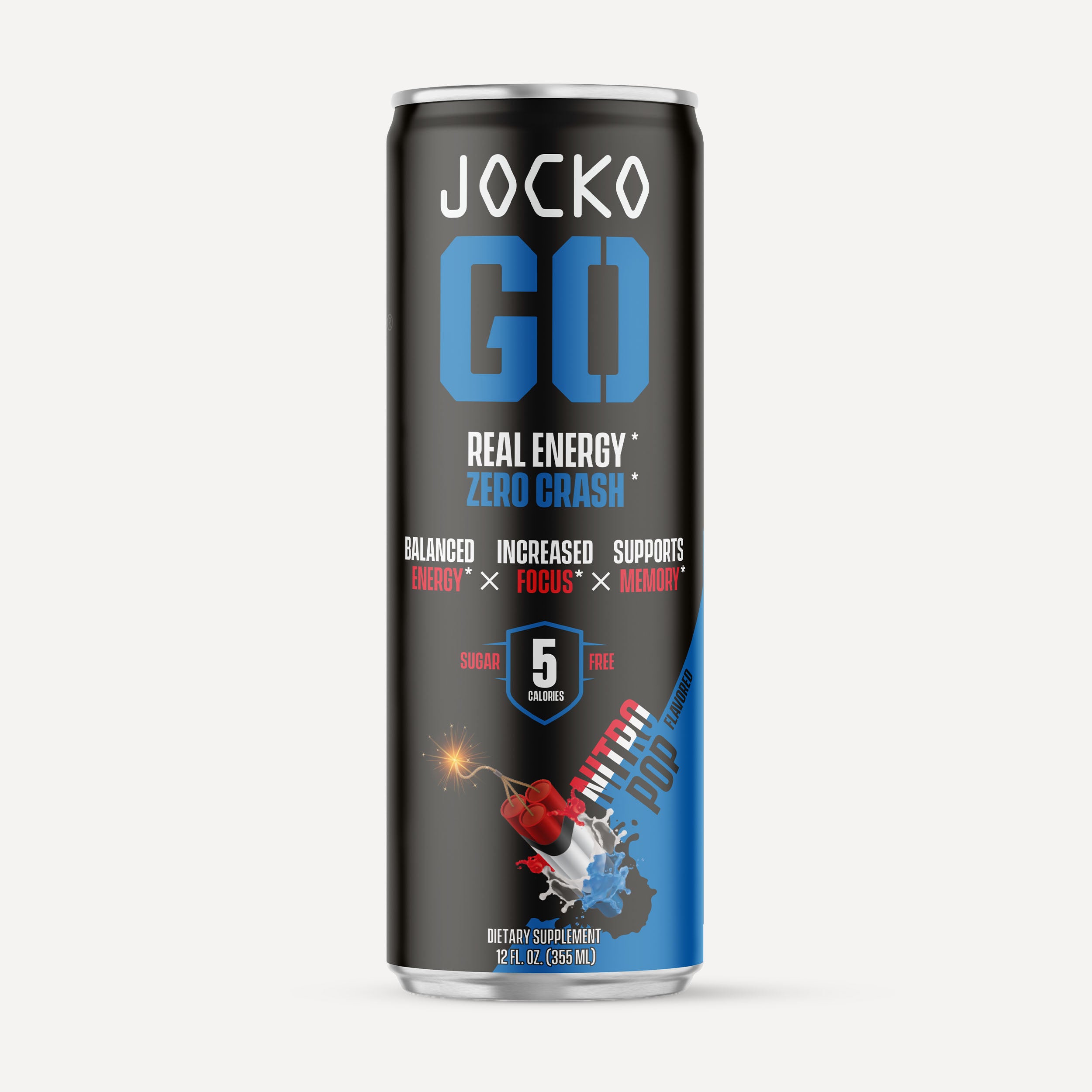
3. Caffeine — 3–6 mg/kg pre-match
Improves sprint speed, jump height, and decision-making under fatigue. Take 45–60 minutes before kickoff. Top up with a 100 mg caffeinated gel at halftime for the second half.
4. Electrolytes + Carbs — During Match
30–60 g carbs/hour plus sodium (500–700 mg/L) protects late-game sprint performance. Plain water alone is a mistake.
Supporting Players
- Protein: 1.6–2.2 g/kg/day. Hit it across 4–5 meals, with 30–40 g post-training.
- Vitamin D3: 2000–4000 IU/day. Soccer players in northern climates are routinely deficient — affects power output and injury risk.
- Omega-3 (EPA/DHA): 2–3 g/day. Reduces DOMS and supports joint health across a long season.
- Tart cherry juice: Around fixture-congested weeks for sleep and recovery.
Position-Specific Tweaks
- Wingers / fullbacks: Lean into creatine + beta-alanine — repeated sprints are your job.
- Center backs: Prioritize protein and vitamin D for jumping and aerial duels.
- Midfielders: Carb intake during matches matters most — you cover the most ground.
- Goalkeepers: Smaller caffeine dose; emphasize reaction-time-friendly L-theanine stack.
The Bottom Line
Soccer rewards repeated-sprint power, late-game endurance, and recovery between matches. Creatine, beta-alanine, caffeine, and in-match carbs are the four supplements with the strongest peer-reviewed support — everything else is supporting cast.
Frequently Asked Questions
- Does creatine actually help soccer players?
- Yes. Soccer involves 150–250 short sprints per match. Creatine improves repeated-sprint ability, jumping, and recovery between bouts — three of the highest-leverage demands of the sport.
- Will creatine make me slower?
- No. The 1–2 lbs of intramuscular water in saturated muscles doesn't measurably affect sprint times. Power output goes up; aerobic capacity is unchanged.
- How much caffeine before a match?
- 3–6 mg/kg, 45–60 minutes before kickoff. A 75 kg player: 225–450 mg. Test in training first — anything above 6 mg/kg increases jitters and bathroom trips without performance gain.
- What about during the match?
- Carb-electrolyte drink (30–60 g carbs/hour) plus a caffeine gel at halftime. Studies show late-game sprint speed drops less with mid-match carbs.