Carbohydrates in Sports Nutrition: Loading, Timing, and Sources
Carbs aren't the enemy—they're fuel for high-performance athletes. In 2026, with advanced carb gels and loading protocols, athletes can push boundaries like never before. This article dives into glycogen science, pre/post-workout strategies, best sources, and pro case studies.
Glycogen Storage Science
Glycogen is stored carbohydrate in muscles and liver, providing quick energy for exercise. Depletion leads to "hitting the wall"—that sudden fatigue wall endurance athletes dread.
Carb loading (10–12 g/kg/day, 36–48 hours pre-event) supercompensates glycogen stores by 150–200%. Research shows loading boosts time-to-exhaustion by 20%, while 16 g/hour glucose improves endurance capacity by 14%.
Exercise depletes glycogen at 2–3 g/min during intense efforts. Replenishment rates peak at 1.2 g/kg/hour with a carb-protein mix. Post-exercise, the "glycogen window" (first 30–60 minutes) allows rapid replenishment—high-GI carbs post-workout restore 50% more glycogen than low-GI alternatives.
For women, luteal phase progesterone increases glycogen use; adjusting intake up 20% compensates for this hormonal effect.
Pre/Post-Workout Carbs
Pre-Workout
Consume 1–4 g/kg body weight 1–4 hours before exercise for sustained energy. Avoid excess to prevent GI distress. For morning sessions, overnight fasted states benefit from pre-carb loading—200–300 g carbs 3–4 hours pre-marathon optimize performance.
During Exercise
For events lasting over 60 minutes, 30–60 g/hour maintains carbohydrate oxidation. For intermittent sports like soccer, carb mouth rinses during breaks can enhance performance without full ingestion—useful when stomach tolerance is an issue.
Post-Workout
Aim for 1.2 g/kg/hour combined with 20–25 g protein for rapid glycogen replenishment. This combination delivers approximately 20% better recovery compared to carbs alone.
Best Sources: Oats vs. Gels
Complex Carbohydrates
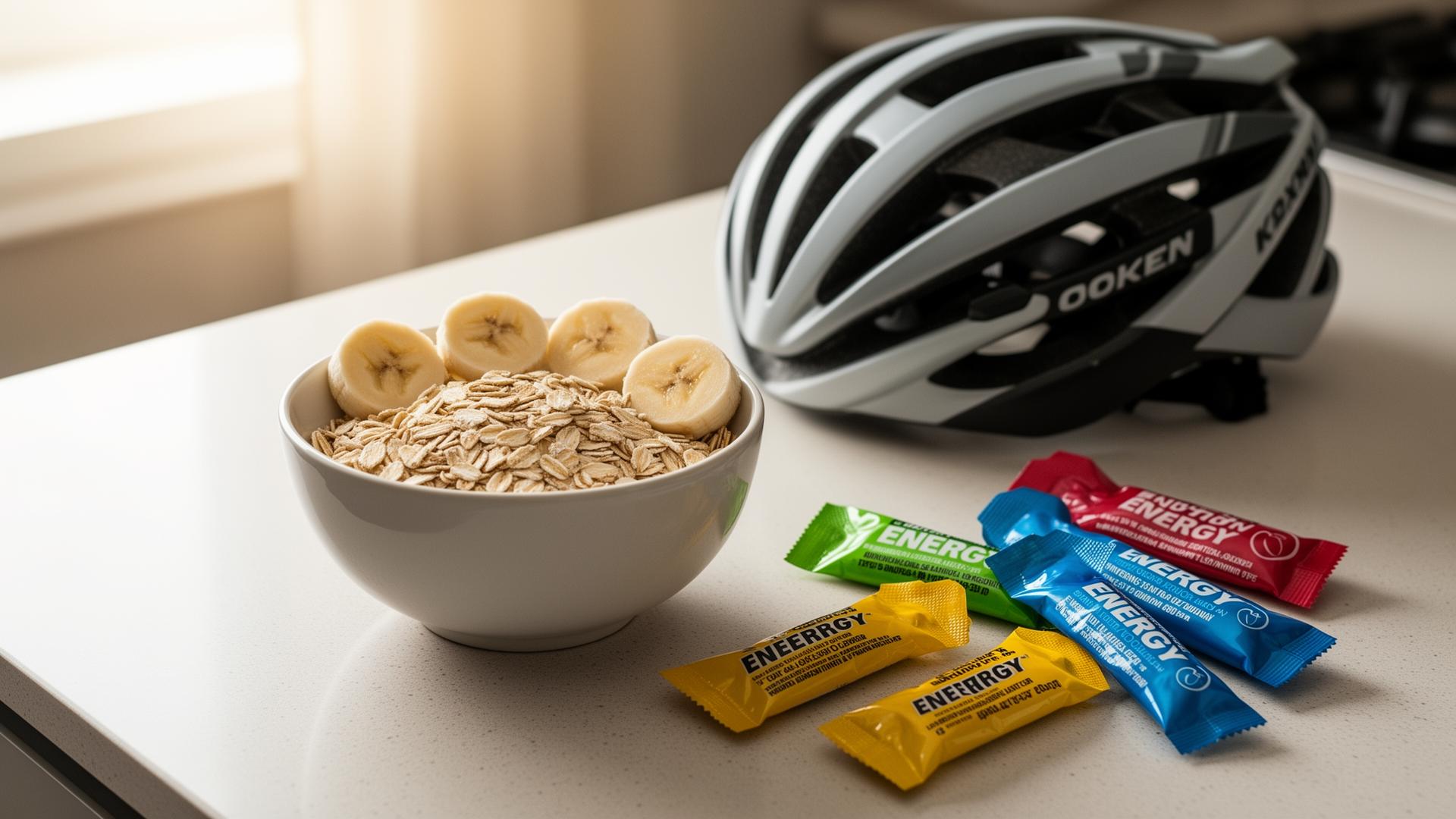
Oats provide low-GI, steady-release energy—ideal for training days. Other excellent whole-food sources include sweet potatoes, quinoa, and brown rice, which offer sustained energy plus valuable micronutrients.
Simple Carbohydrates
Gels deliver quick absorption during competition. For races over 90 minutes, gels are the preferred choice due to portability and rapid uptake. Bananas offer a natural alternative, providing potassium alongside carbohydrates.
The general rule: oats and whole foods for training, gels and simple sugars for race day and competition.
Case Studies from Pros
Eliud Kipchoge
The marathon GOAT loads with rice and oats in the days before major races, consuming approximately 60 g/hour of carbs via gels during competition. His protocol has been widely studied and shown to improve marathon pacing consistency.
Elite Cyclists
A 4-day loading protocol in elite cyclists improved GPS metrics and power output during stage races. Riders consuming 12 g/kg/day showed measurably higher sustained wattage in the final hours of competition.
Team Sports
In soccer, carb loading enhanced match outputs by 7%, with players covering more high-intensity distance in the second half. Basketball players using intermittent carb intake maintain shooting accuracy and decision-making in the fourth quarter.
Triathlon
A triathlete study showed 12 g/kg loading increased endurance by 15%, with athletes reporting less perceived exertion during the run leg.
Optimize your carb strategy today—whether you're an endurance athlete loading for race day or a strength athlete fueling recovery, the science is clear: strategic carbohydrate intake is non-negotiable for peak performance.
Frequently Asked Questions
- How many carbs should an endurance athlete eat before a race?
- 1–4 g/kg body weight, consumed 1–4 hours before the event. For a marathon, 200–300 g of carbs 3–4 hours prior is a common protocol.
- What is carb loading?
- Carb loading involves consuming 10–12 g/kg/day of carbohydrates for 36–48 hours before an event to supercompensate glycogen stores by 150–200%.
- Are carb gels better than real food during a race?
- For events over 90 minutes, gels are preferred for rapid absorption and portability. During training, whole foods like bananas and oats offer sustained energy plus micronutrients.
- How quickly should I eat carbs after exercise?
- Within 30–60 minutes post-exercise (the glycogen window). Aim for 1.2 g/kg/hour combined with protein for optimal replenishment.
- Do female athletes need different carb strategies?
- Yes. During the luteal phase, progesterone increases glycogen utilization, so carb intake should be adjusted upward by approximately 20%.