The Complete Guide to Sports Nutrition for Athletes
Sports nutrition is not about supplements alone. It is the strategic use of food, hydration, and targeted supplementation to support performance, recovery, and long-term athletic development.
Athletes require more precision than the general population because training places repeated stress on muscle tissue, the nervous system, and metabolic pathways.
This guide explains the foundations every athlete should understand.
The Three Pillars of Sports Nutrition
1. Energy Intake
Calories must match training demands. Undereating limits recovery. Overeating without purpose adds unnecessary body fat.
2. Macronutrients
Protein, carbohydrates, and fats each serve specific roles. Protein repairs muscle. Carbohydrates fuel training. Fats support hormones and long-duration energy.
3. Micronutrients & Hydration
Deficiencies in vitamins, minerals, or fluid balance can limit recovery and performance — even when macros are dialed in.
Where Supplements Fit
Supplements are tools — not replacements for real food. They support:
- Protein intake consistency
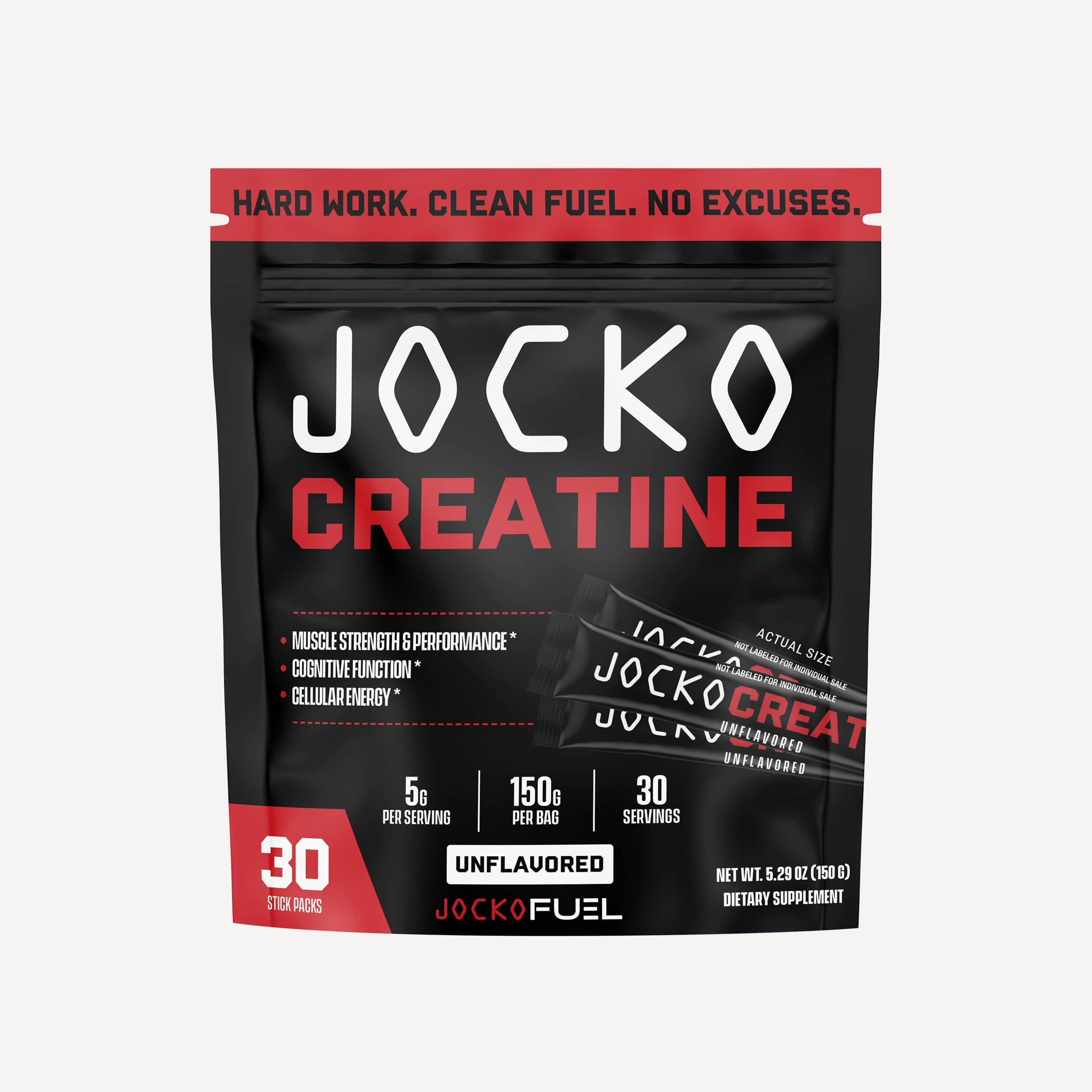
- Creatine saturation
- Electrolyte balance
- Sleep quality
Frequently Asked Questions
- What is sports nutrition?
- The strategic use of food, hydration, and targeted supplementation to support performance, recovery, and long-term athletic development.
- Do athletes need supplements?
- Supplements are tools — not replacements for real food. They help fill gaps in protein intake, creatine saturation, electrolyte balance, and sleep quality.