Postpartum Return to Training: The Nutrition Playbook
The postpartum return to training is one of the most under-supported transitions in sport. You're rebuilding capacity while nursing, sleeping poorly, and often iron-depleted. Nutrition has to do more work than usual because recovery windows are tighter and demands are higher.
The Four Physiological Realities
- Iron depletion: Blood loss at delivery + high demand of lactation frequently leave hemoglobin low for 6+ months.
- Elevated protein need: Nursing burns 300–500 extra kcal/day and requires an additional 15–25 g protein.
- Connective tissue laxity: Relaxin remains elevated for months, especially in breastfeeding parents. Tendons and ligaments are more injury-prone.
- Sleep debt: Multiple wakeups suppress GH and testosterone, slowing recovery.
Baseline Daily Nutrition
- Calories: Maintenance + 300–500 kcal if nursing. Do not aggressively diet in the first 6 months.
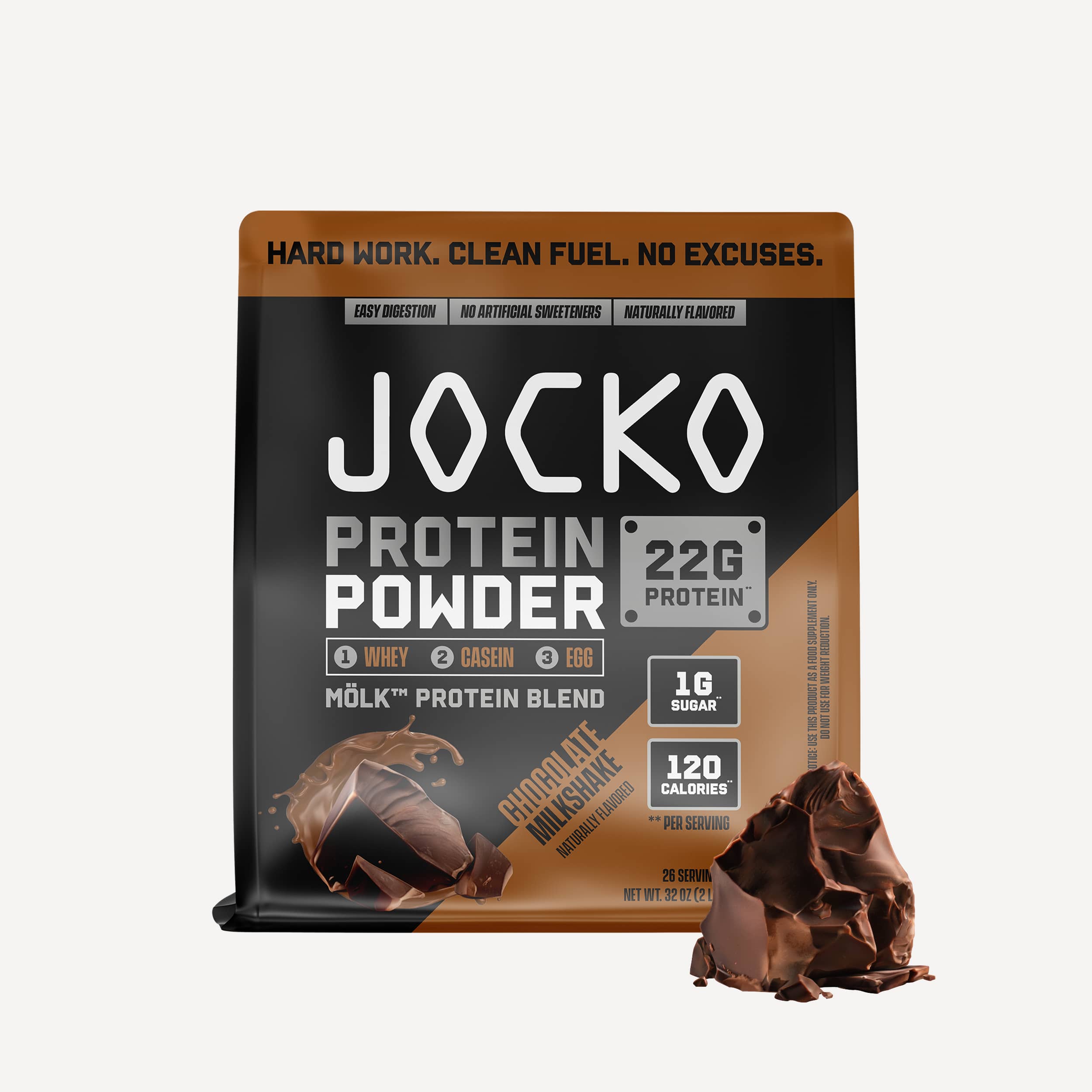
- Protein: 1.8–2.2 g/kg body weight. Split across 4 meals/snacks.
- Iron: 18–27 mg/day, ideally from food (red meat, lentils, spinach). Test ferritin; supplement if < 30 ng/mL.
- Choline: 550 mg/day — critical during lactation, chronically under-consumed.
- Omega-3 (DHA): ≥ 300 mg DHA/day for lactation; higher (2 g EPA+DHA) if returning to hard training.
Supplement Priorities
- Prenatal or postnatal multivitamin — continue for the entire nursing period.
- Vitamin D3 (2,000–4,000 IU) — vast majority of postpartum athletes test deficient.
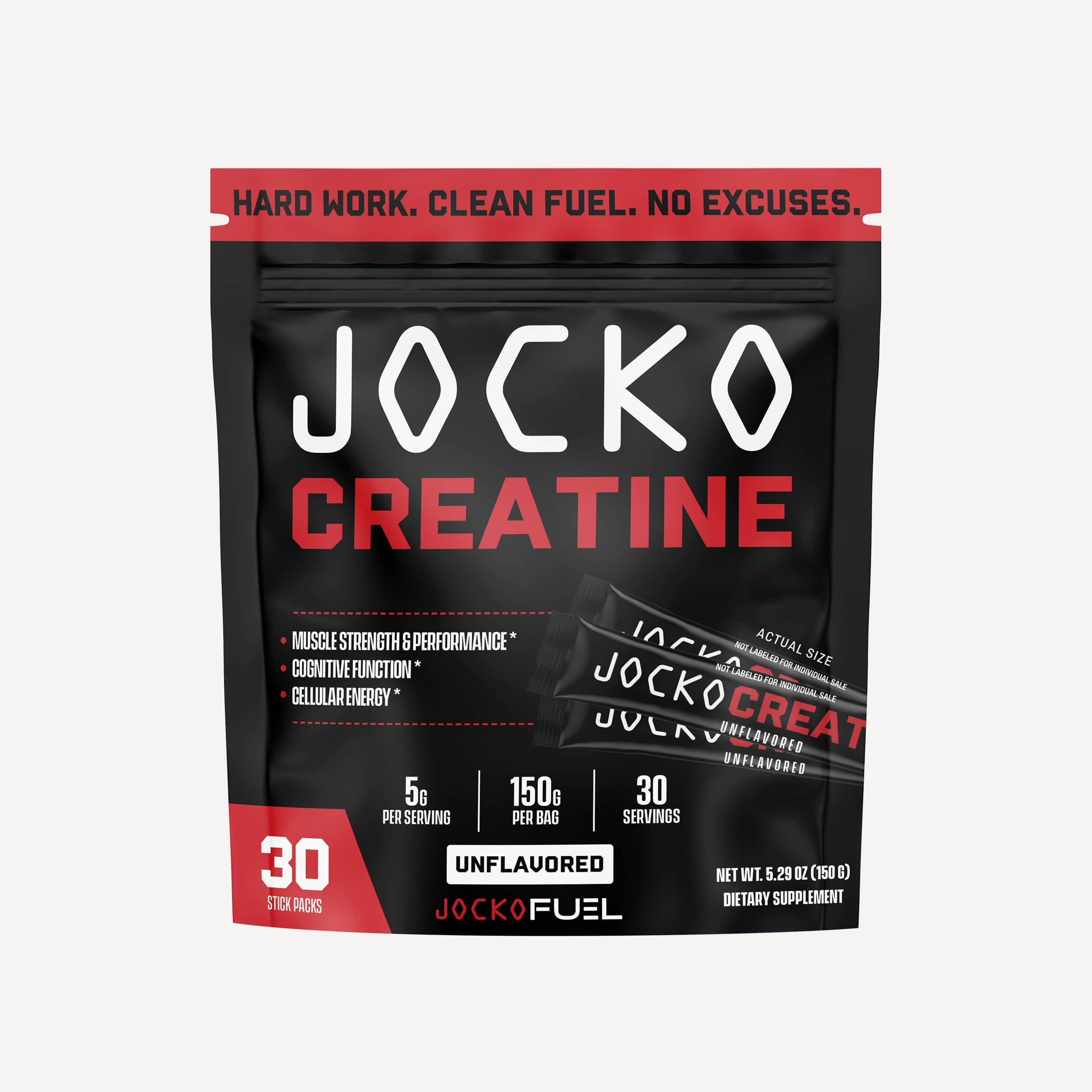
- Creatine (5 g/day) — supports lean mass rebuild and cognitive resilience under sleep debt.
- Collagen peptides (15 g) + vitamin C — 30 min before any impact or loading session to support connective tissue.
- Magnesium (300–400 mg) before bed for sleep quality on interrupted nights.
The Return-to-Training Timeline
- Weeks 0–6: Walking, breath work, pelvic floor rehab. Focus is on nutrition and sleep, not training.
- Weeks 6–12: Cleared by provider → light strength (bodyweight, bands), Zone 2 cardio.
- Months 3–6: Gradual return to loaded lifting; delay high-impact (running, plyos) until pelvic floor PT clears.
- Months 6+: Return to full sport-specific training. Continue elevated protein and iron monitoring.
The Bottom Line
Eat more than you think you need. Test ferritin. Progress load slowly. The comeback is a 12-month project, not a 12-week one — and nutrition is the foundation the rest of it stands on.
Frequently Asked Questions
- Is creatine safe while breastfeeding?
- Current evidence suggests yes — creatine is naturally present in breast milk and dietary creatine crosses into it in small amounts. That said, discuss any new supplement with your OB or lactation consultant.
- How long before I can return to full training?
- The pelvic floor and connective tissue take 4–6 months minimum to fully re-stabilize after a vaginal birth, longer after a C-section. Progress load slowly and get a pelvic floor PT screening before returning to running or heavy lifting.