The Pre-Sleep Protein Dose That Builds Overnight Muscle
Sleep is the longest fast of your day — 7–9 hours without protein intake while muscle protein synthesis ticks along at baseline. For athletes serious about hypertrophy or muscle preservation, the pre-sleep protein dose is one of the highest-leverage adjustments you can make. The research is now clear on exactly how much.
The Landmark Trials
Trommelen & van Loon at Maastricht University ran the definitive series of studies. Young men consumed casein protein before bed and overnight muscle protein synthesis was measured via stable isotopes. Key findings:
- 40 g pre-sleep casein boosted overnight MPS by 22% vs placebo.
- 20 g produced only a modest effect — the dose-response is real.
- Over 12 weeks of resistance training, the 40 g pre-sleep group gained significantly more muscle and strength than the carb-placebo group.
Why 40 g (Not the Usual 20–30)
During the day, 20–30 g per meal is enough to max out the muscle protein synthesis response — extra protein is oxidized. The pre-sleep window is different. You're heading into an 8-hour fast. The higher dose provides a sustained amino acid pool through the entire night, not just one MPS pulse.
Why Casein, Not Whey
Whey absorbs in 60–90 minutes — done before deep sleep starts. Casein forms a gastric clot and trickles amino acids into circulation for 6–8 hours. For overnight muscle support, casein wins decisively. Whey is for the daytime; casein is for the night.
Real-Food Alternatives That Hit the Dose
- 1 cup full-fat cottage cheese: ~28 g casein
- 1.5 cups Greek yogurt: ~35 g (mostly casein-dominant)
- 3 oz cheese + glass of milk: ~30 g casein
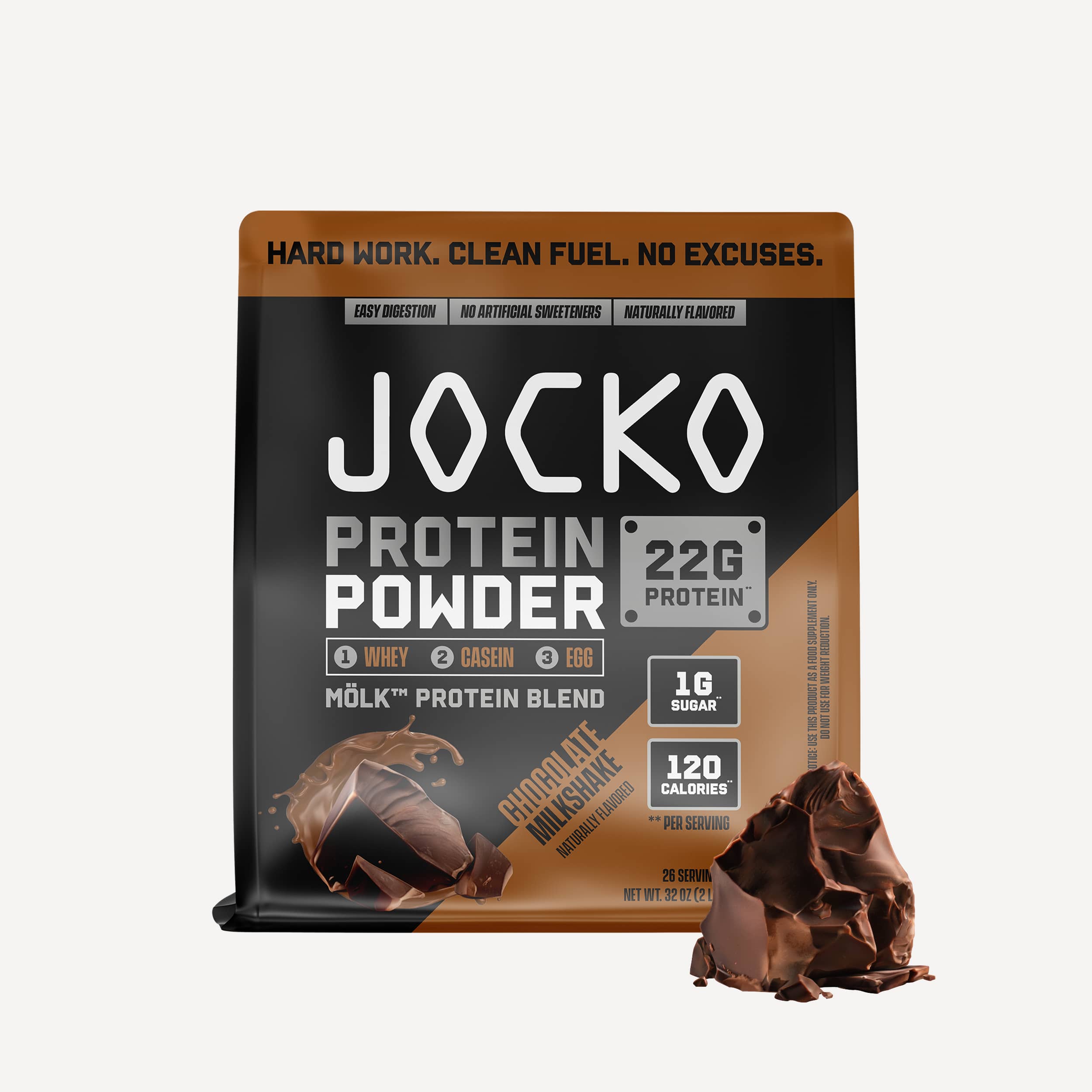
- 40 g casein protein powder: The clean lab-tested option
The Vegan Version
Slow-digesting plant blends (soy + pea + rice) at 50 g (slightly higher to offset lower leucine and digestion rate) approximate the casein effect. Single-source pea or soy alone is fine if convenience matters more than the last 5%.
When Pre-Sleep Protein Matters Most
- Hypertrophy phase: Maximize overnight building blocks.
- Cutting phase: Preserve hard-earned lean mass during caloric deficit.
- Aging athletes (40+): Anabolic resistance makes per-meal protein doses even more important.
- Two-a-day training: Overnight recovery directly determines tomorrow's session.
When It Doesn't Matter
If your daytime protein intake is below 1.6 g/kg total, fix that first. Pre-sleep protein is a sharpening tool, not a substitute for hitting your daily target.
The Bottom Line
40 g of casein 30 minutes before bed — shake, cottage cheese, or Greek yogurt — adds 22% to your overnight muscle building. It's one of the easiest, cheapest, most evidence-backed upgrades in sports nutrition. Set the bowl out tonight.
Frequently Asked Questions
- How much pre-sleep protein is optimal?
- 40 g of slow-digesting protein (casein, cottage cheese, Greek yogurt) 30 minutes before bed. The 40 g threshold is meaningfully better than 20 g for the 7–9 hour overnight fast.
- Is 40 g a lot? Won't I store it as fat?
- No. Protein has the highest thermic effect of any macro and is the hardest to convert to fat. The 40 g pre-sleep dose has been tested extensively without fat gain at maintenance calories.
- Casein vs whey before bed?
- Casein. It digests over 6–8 hours, providing a steady amino acid drip through the overnight fast. Whey peaks and clears in ~90 minutes — wasted while you sleep.
- What if I don't want a shake before bed?
- 1 cup of cottage cheese = 28 g casein. 1.5 cups of Greek yogurt = 35 g. Real-food alternatives are just as effective.
- Does this only matter for hypertrophy?
- No — also relevant for athletes in a cut (preserves lean mass), aging athletes (combats sarcopenia), and high-volume training blocks where total protein hits matter most.