Pre-Workout for Women: A Buyer's Guide That Skips the Pink Tax
Most "women's pre-workout" is the same formula as the men's version, recolored pink, with a higher price tag. The actual question worth answering is: what doses and ingredients best fit a smaller-framed athlete, regardless of marketing? Here's the honest breakdown.
The Caffeine Question
Standard men's pre-workouts pack 300–400 mg of caffeine per scoop — roughly four cups of coffee. For a 140-lb woman, that often translates to jitters, anxiety, and an afternoon crash. Most women perform best at 100–200 mg, scaled to bodyweight (around 3 mg/kg).
The Ingredients Worth Paying For
- Citrulline malate (6–8 g): Better pumps, more reps before failure, less next-day soreness.
- Beta-alanine (3.2 g): Buffers fatigue in 60–240 second sets. Split-dose to avoid the tingle.
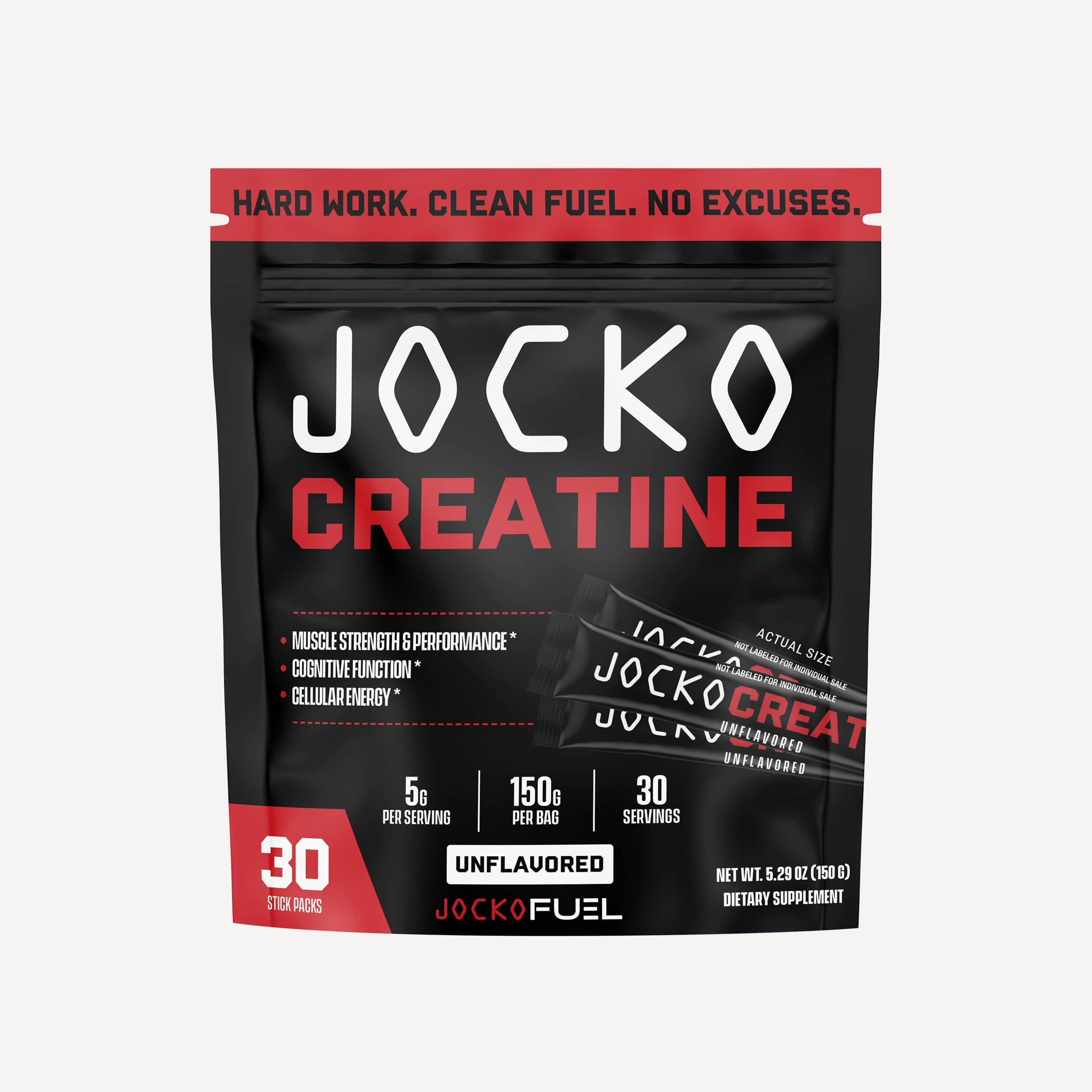
- Creatine monohydrate (3–5 g): Add it to any pre-workout that skips it. Daily, year-round.
- L-theanine (100–200 mg): Smooths caffeine's edge. Calm focus instead of anxious energy.
- Electrolytes: A bonus if included — replaces what you'll sweat out during training.
What to Avoid
- "Proprietary blends": If a label hides dosages, you can't know what you're actually getting. Skip.
- DMAA and yohimbine-heavy stim stacks: Often added to "women's fat-burner pre-workouts." Cardiovascular risk isn't worth the marginal output.
- Mega-doses of niacin: Common cause of the "flush" feeling people mistake for "it's working."
- Artificial dye–heavy formulations: No performance benefit; pick uncolored or naturally colored options if you're sensitive.
Cycle-Aware Tweaks
- Follicular phase (days 1–14): Strength tends to be higher; full-dose pre-workout works well.
- Luteal phase (days 15–28): Slightly higher caffeine sensitivity for many women. Consider halving the dose if jittery.
- Menstruation: Eat before training; iron stores can be lower, exaggerating any caffeine-related symptoms.
Stim-Free Alternatives
For evening sessions, pregnancy/breastfeeding (consult your doctor), or stimulant sensitivity, a stim-free pre-workout built on citrulline + beta-alanine + creatine still delivers most of the training benefit. See our stim-free guide for ratios.
The Bottom Line
Don't pay extra for pink packaging. Pick a transparent-label pre-workout with the right ingredients at the right doses, scale caffeine to your bodyweight and sensitivity, and adjust around your cycle if needed.
Frequently Asked Questions
- Is pre-workout safe for women?
- Yes, when dosed appropriately. Most women do best with 100–200 mg of caffeine per serving, less than the standard 300–400 mg targeted at men.
- What ingredients should women look for in a pre-workout?
- Citrulline malate (6–8g), beta-alanine (3.2g), creatine (3–5g), caffeine (100–200mg), and L-theanine (100–200mg). Skip proprietary blends.
- Will pre-workout make me bulky?
- No. Pre-workout doesn't affect muscle size directly. It improves training quality, which over time builds the body composition you're training for — not bulk.
- Can women take pre-workout during their period?
- Yes. Some women find caffeine sensitivity is higher during menstruation; start with half a scoop if you're unsure. Iron stores can be lower, so don't skip food beforehand.