Protein for Marathon Training: The Forgotten Macro
Endurance athletes obsess over carbs — and rightly so. But chronic under-eating of protein is one of the most common reasons marathon runners hit recovery walls, lose lean mass during high-mileage blocks, and pick up niggling injuries. Modern endurance research has dramatically revised protein recommendations upward.
How Much Protein Do Marathon Runners Need?
Current sport-nutrition consensus (IOC, ISSN, ACSM):
- Base training: 1.2–1.4 g/kg/day
- Peak weeks (50+ mi): 1.4–1.8 g/kg/day
- Recovery from injury / dieting / aging: Up to 2.0 g/kg/day
A 70 kg (154 lb) runner training 50 mpw needs roughly 100–125 g/day — about 25–30 g per meal across 4–5 meals.
Why Endurance Demands More Protein, Not Less
- Amino acid oxidation — long runs literally burn amino acids for fuel
- Muscle damage from repeated eccentric foot strike requires repair
- Mitochondrial protein turnover drives endurance adaptation
- Immune support — high training loads suppress immunity; protein helps
The Per-Meal Dose Rule
The body can use roughly 0.4 g/kg of high-quality protein per meal for muscle protein synthesis. For a 70 kg runner, that's ~28 g per sitting. Front-load it across the day — too many runners skimp at breakfast and overload at dinner.
Pre / Intra / Post Long Run
Pre (90 min before)
Easy-to-digest carbs + small protein dose: oatmeal with whey, toast + eggs, banana + Greek yogurt. ~10 g protein.
Intra (runs over 2 hours)
30–60 g carbs/hour + a small amount of protein (5–10 g) via gels with added amino acids, sports drinks with protein, or chews. Reduces muscle damage signaling.
Post (within 60 minutes)
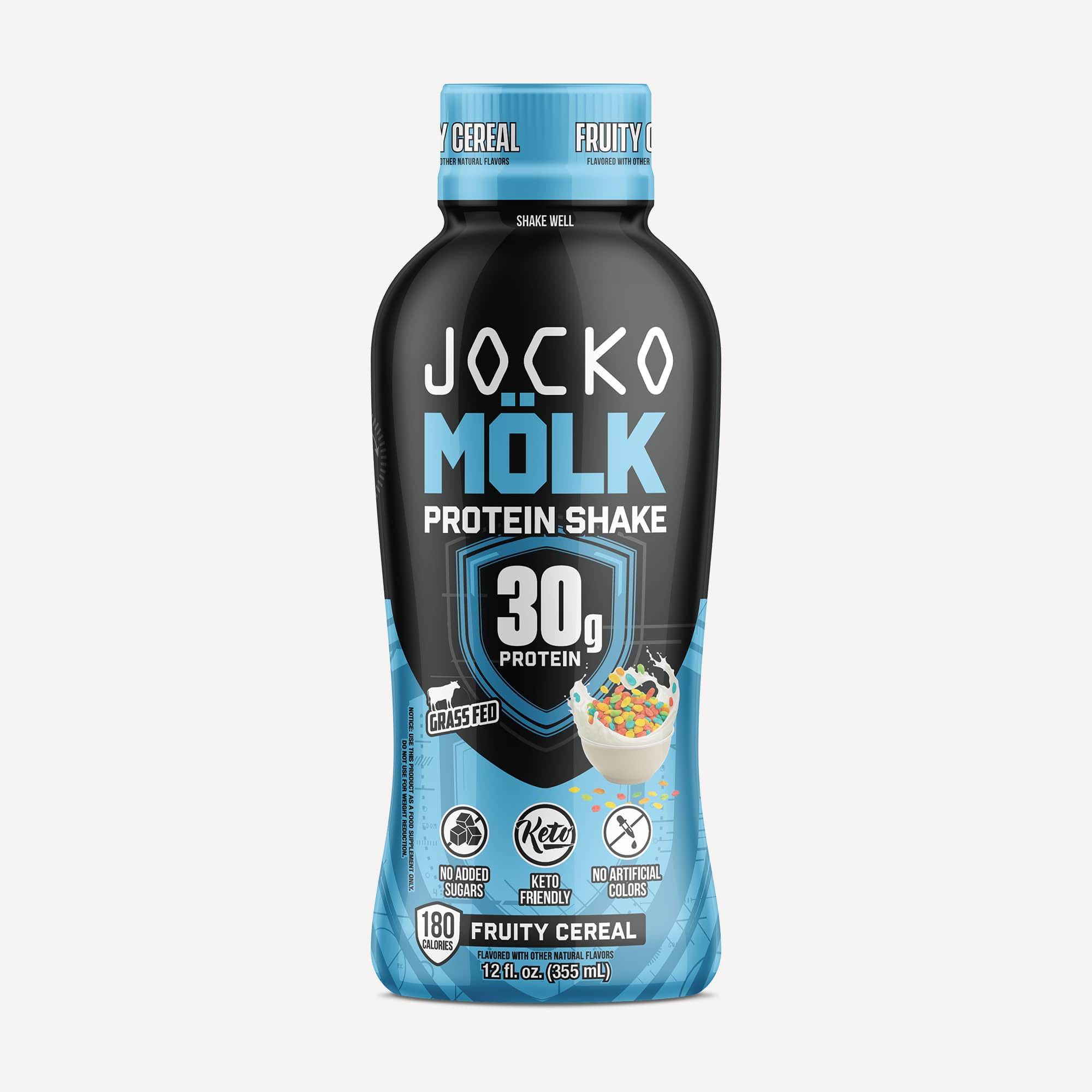
Carbs + 25–30 g high-quality protein. Chocolate milk, whey shake with banana, eggs + rice, salmon + sweet potato. The 60-minute window matters most for back-to-back training days.
Pre-Bed Casein During Peak Weeks
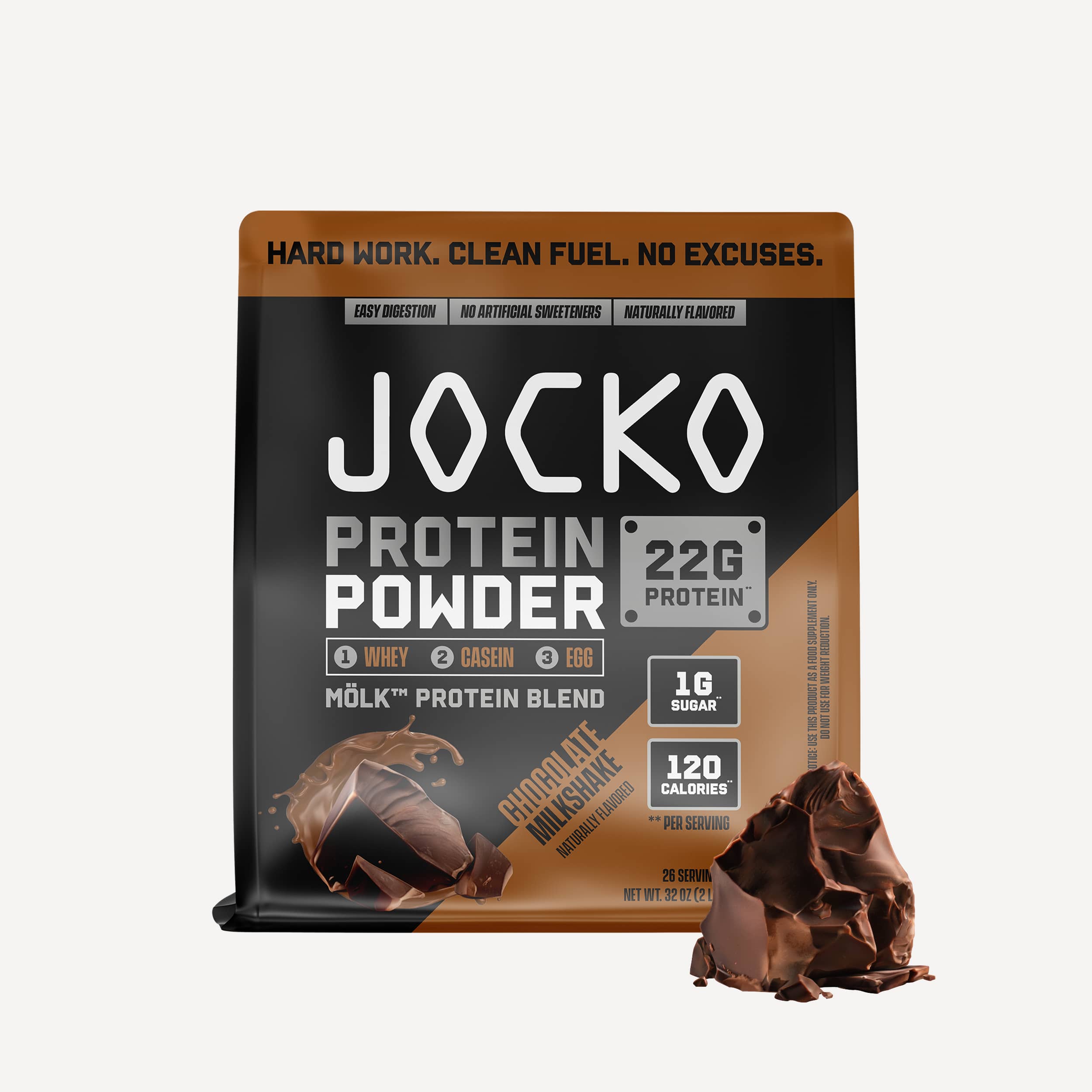
For runners hitting peak mileage, 30–40 g of casein 30 minutes before bed has been shown to elevate overnight muscle protein synthesis by ~22%. This is one of the easiest wins for runners worried about losing strength during build phases.
A Practical Day (70 kg Runner, 50 mpw)
- Breakfast: Eggs + oatmeal + Greek yogurt (35 g)
- Snack: Cottage cheese + fruit (20 g)
- Lunch: Chicken bowl with rice and beans (35 g)
- Pre-workout: Toast + small whey shake (15 g)
- Post-workout: Whey shake + banana (25 g)
- Dinner: Salmon + sweet potato (30 g)
- Pre-bed: Casein shake (30 g)
The Bottom Line
Carbs win races. Protein lets you keep training to make it to the start line healthy. Hit 1.4–1.8 g/kg, spread across 4–5 meals, with a pre-bed dose during peak weeks — and you'll recover faster, hold more lean mass, and stay injury-resistant through the cycle.
Frequently Asked Questions
- How much protein does a marathon runner need?
- 1.4–1.8 g/kg/day during peak training — significantly higher than the 0.8 g/kg general RDA. A 70 kg runner needs roughly 100–125 g protein/day, spread across 4–5 meals.
- Should runners take protein during long runs?
- For runs over 2 hours, a small amount of protein (5–10 g) added to carbs reduces muscle damage and improves next-day recovery. For shorter runs, carbs and electrolytes are enough.
- Is whey or casein better for runners?
- Whey post-run for fast recovery; casein before bed during heavy training blocks. A blend often makes the most sense — both fast and slow amino delivery.
- Will eating more protein make me slower?
- No. Adequate protein preserves muscle and improves recovery. Excess protein replaces carbs only if you let it — keep carb intake high during peak weeks.