Protein Powder for Teenagers: A Parent's Evidence-Based Guide
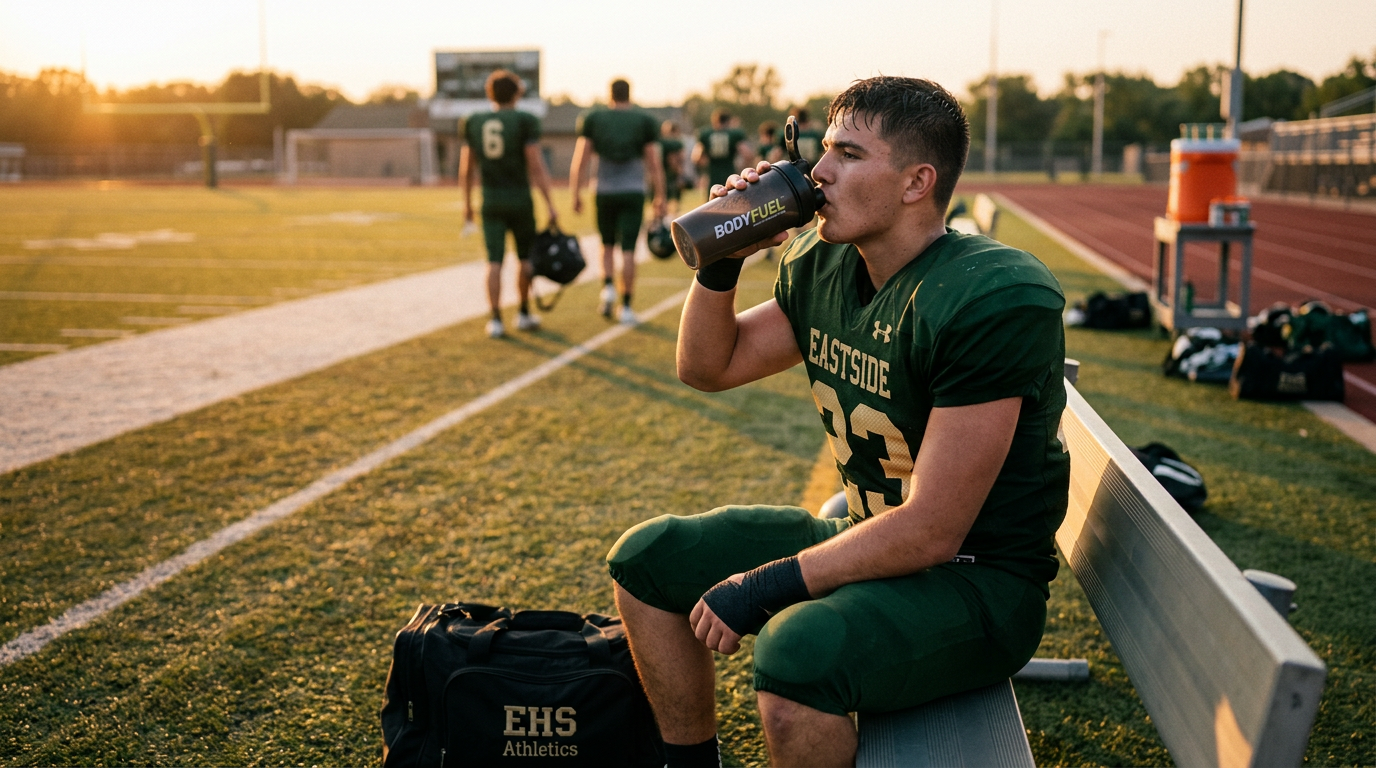
Walk into a high school weight room and protein shakers outnumber water bottles. Parents see the trend and worry: Is this safe? Will it stunt growth? Are the rumors true? The short answer: clean protein powder is no more dangerous than a glass of milk—when chosen and dosed correctly. Here's what every parent and teen athlete needs to know.
What the Science Actually Says
Multiple position statements from the American Academy of Pediatrics, National Strength and Conditioning Association, and American College of Sports Medicine confirm that protein supplementation for adolescent athletes is safe when:
- It comes from a reputable, third-party tested brand
- Total daily protein stays within evidence-based ranges
- It supplements—doesn't replace—whole food meals
- The teen is past puberty onset and doing structured training
How Much Protein Teen Athletes Need
- Sedentary teens: 0.85 g/kg (RDA)
- Recreational athletes: 1.0–1.4 g/kg
- Competitive athletes & lifters: 1.2–1.7 g/kg
For a 150 lb (68 kg) teen football player: 80–115 g/day. Most reach that through chicken, eggs, milk, yogurt, and beef without supplements. A single 25 g whey scoop fills the gap on heavy training days.
The Growth Plate Myth
Protein does not stunt growth. The myth conflates protein with anabolic steroids—two completely different categories. Adequate protein actually supports growth, bone density, and recovery during puberty. Inadequate protein during growth years is the real risk.
What to Buy
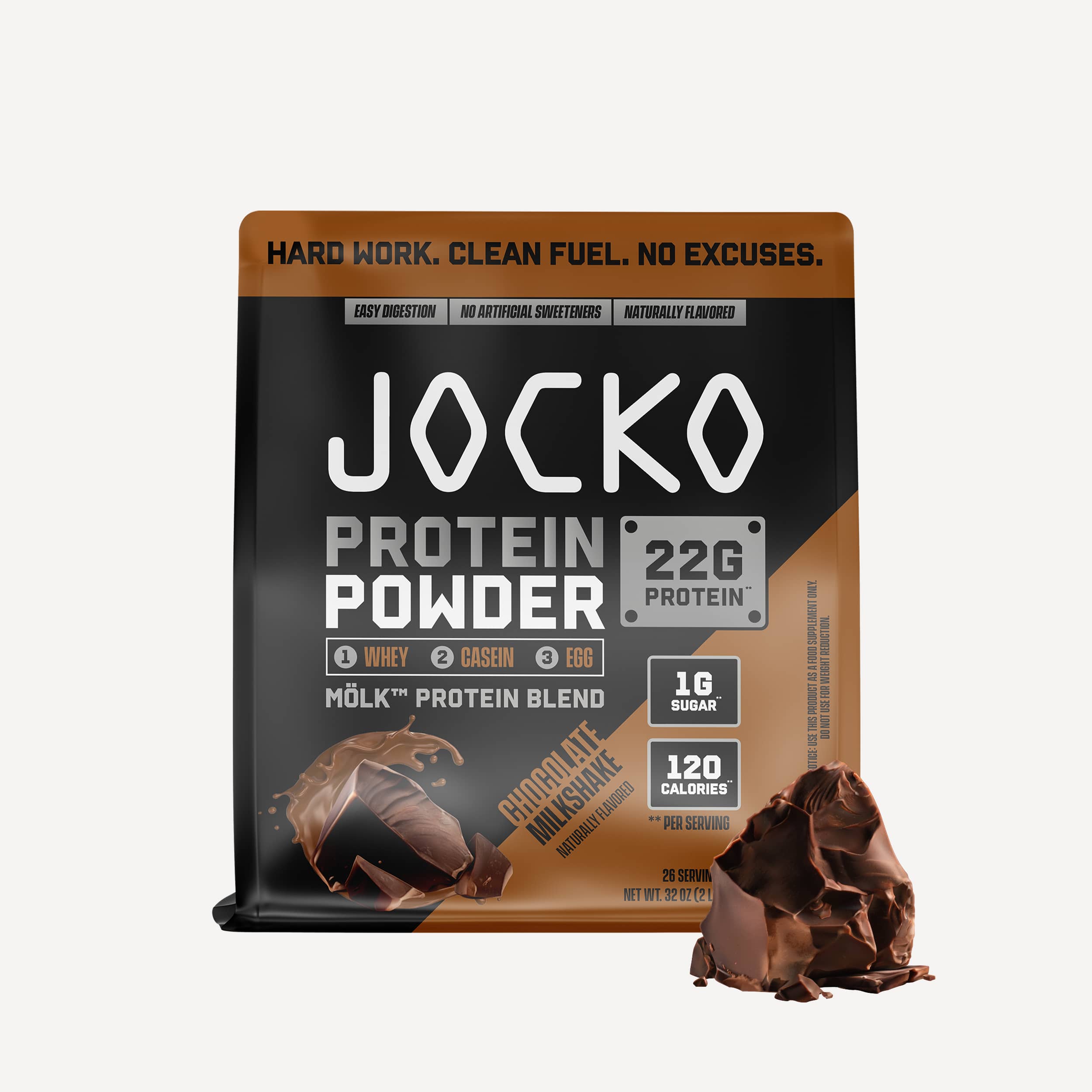
- Whey protein isolate—clean, fast-absorbing, 20–25 g per scoop
- NSF Certified for Sport or Informed Choice label (mandatory for NCAA-bound athletes)
- Under 5 g sugar per scoop
- No proprietary blends—every ingredient and dose should be transparent
- Plant-based options: Pea + rice blends are great for lactose-sensitive teens
What to Avoid Completely
- "Test boosters" or hormonal products—dangerous and often contaminated
- Mass gainers—1,000+ calories per scoop, mostly sugar
- Pre-workouts with high caffeine (200+ mg)—teen nervous systems are still developing
- SARMs, prohormones, anything ending in "-osterone"
- Fat burners—stimulant load is inappropriate for adolescents
- Untested international brands—frequent contamination findings
The Parent Conversation Checklist
- What's your current daily protein intake from food? (Track for 3 days)
- Are you training enough to need more than food provides?
- Are you choosing a third-party certified product?
- Are you using protein powder to supplement—or skipping meals to chase macros?
- Is anyone at your gym pushing you toward "edgier" supplements?
The Daily Template (150 lb Teen Athlete)
- Breakfast: 3 eggs + Greek yogurt (~30 g)
- Lunch: Chicken sandwich + milk (~35 g)
- Pre-practice snack: Banana + peanut butter
- Post-practice: 1 scoop whey + 8 oz milk (~30 g)
- Dinner: 6 oz lean protein + vegetables + rice (~40 g)
- Total: ~135 g — right in the sweet spot
The Bottom Line
Clean whey protein is a safe, effective tool for teenage athletes who need more protein than food alone delivers. Choose third-party certified products, skip the hype categories, and treat supplements as the supporting cast—not the headliner. The real performance drivers at this age remain sleep, food, and consistent training.
Frequently Asked Questions
- Is protein powder safe for teenagers?
- Yes, when used correctly. A clean whey isolate is no different than drinking a glass of milk from a nutritional standpoint. The American Academy of Pediatrics and most sports medicine bodies endorse protein supplementation for active teens when whole-food intake falls short.
- How much protein do teenage athletes need?
- Active teenagers need 1.2–1.7 g/kg body weight daily. For a 150 lb (68 kg) teen athlete, that's 80–115 g/day. Sedentary teens need 0.85 g/kg (RDA). Most teens overshoot via meat and dairy without needing supplements.
- What age can teenagers start protein powder?
- Once a teen is doing structured resistance training (typically 14+) and their whole-food intake doesn't meet daily protein targets, supplemental whey is reasonable. Younger than 14, focus on food-based protein and pediatric guidance.
- What protein powder should teenagers avoid?
- Mass gainers (excess calories and sugar), creatine + protein blends (creatine has its own dosing rules), pre-workout-protein hybrids with caffeine, anything with proprietary blends, and any 'test booster' or hormonal product.
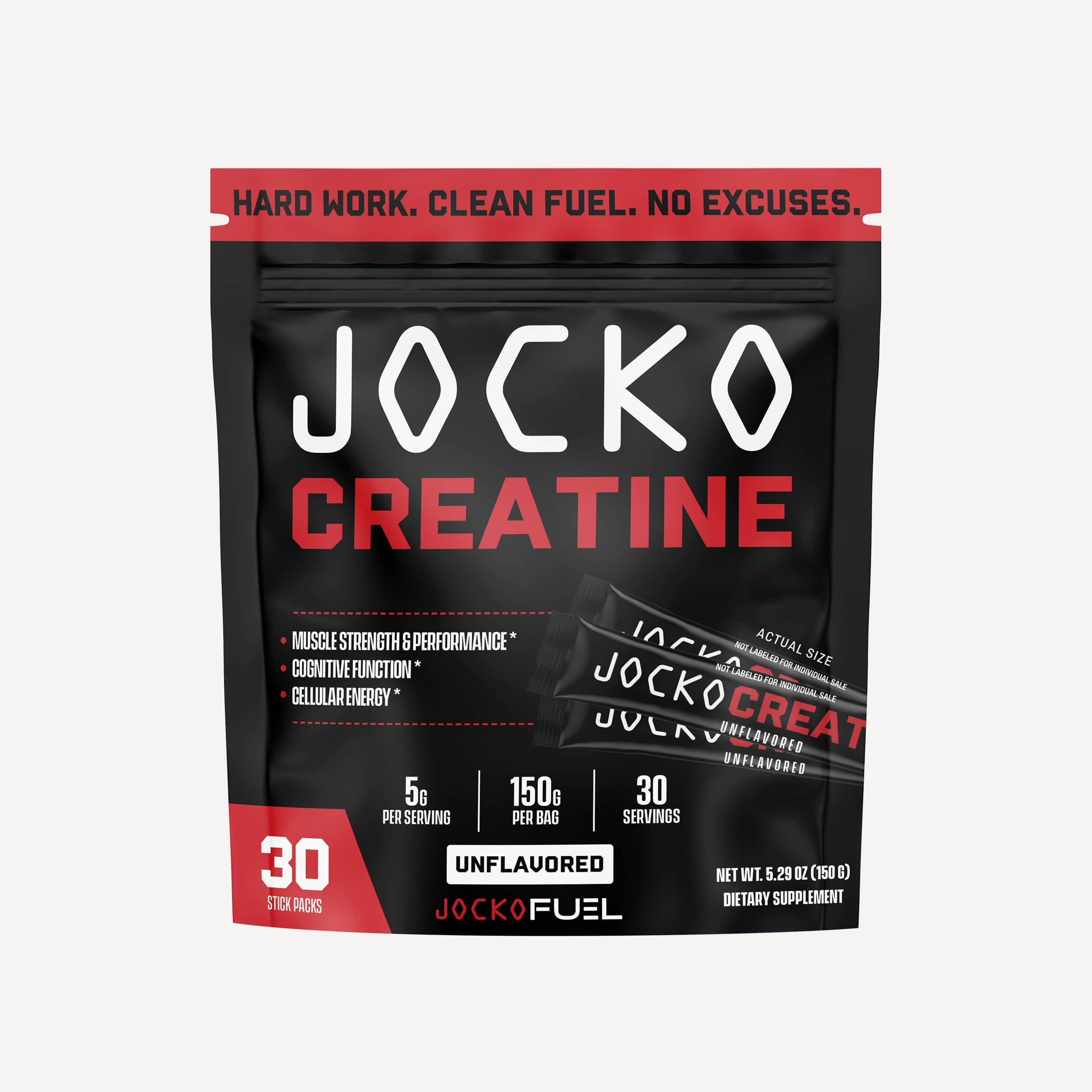
- Is creatine safe for teenage athletes?
- Major sports medicine bodies (NSCA, ACSM) consider creatine monohydrate safe for adolescents 14+ at 3–5 g/day with parental involvement. Always third-party certified (NSF Certified for Sport). Avoid loading phases.