Rucking Nutrition & Hydration
Rucking — walking with a loaded pack — is one of the most efficient forms of hybrid conditioning available. It also, quietly, has some of the highest sodium and calorie demands per unit of perceived effort.
How Much Are You Actually Burning?
A 200 lb person with a 40 lb ruck at 3.5 mph burns roughly 700–900 kcal/hour — comparable to easy trail running. Sweat rates in heat regularly hit 1.0–1.5 L/hr with 800–1,200 mg sodium loss per liter.
Pre-Ruck (60–90 min out)
- Meal with 50–80 g carbs + 20–30 g protein + moderate fat.
- 500 mL water with 500–1,000 mg sodium.
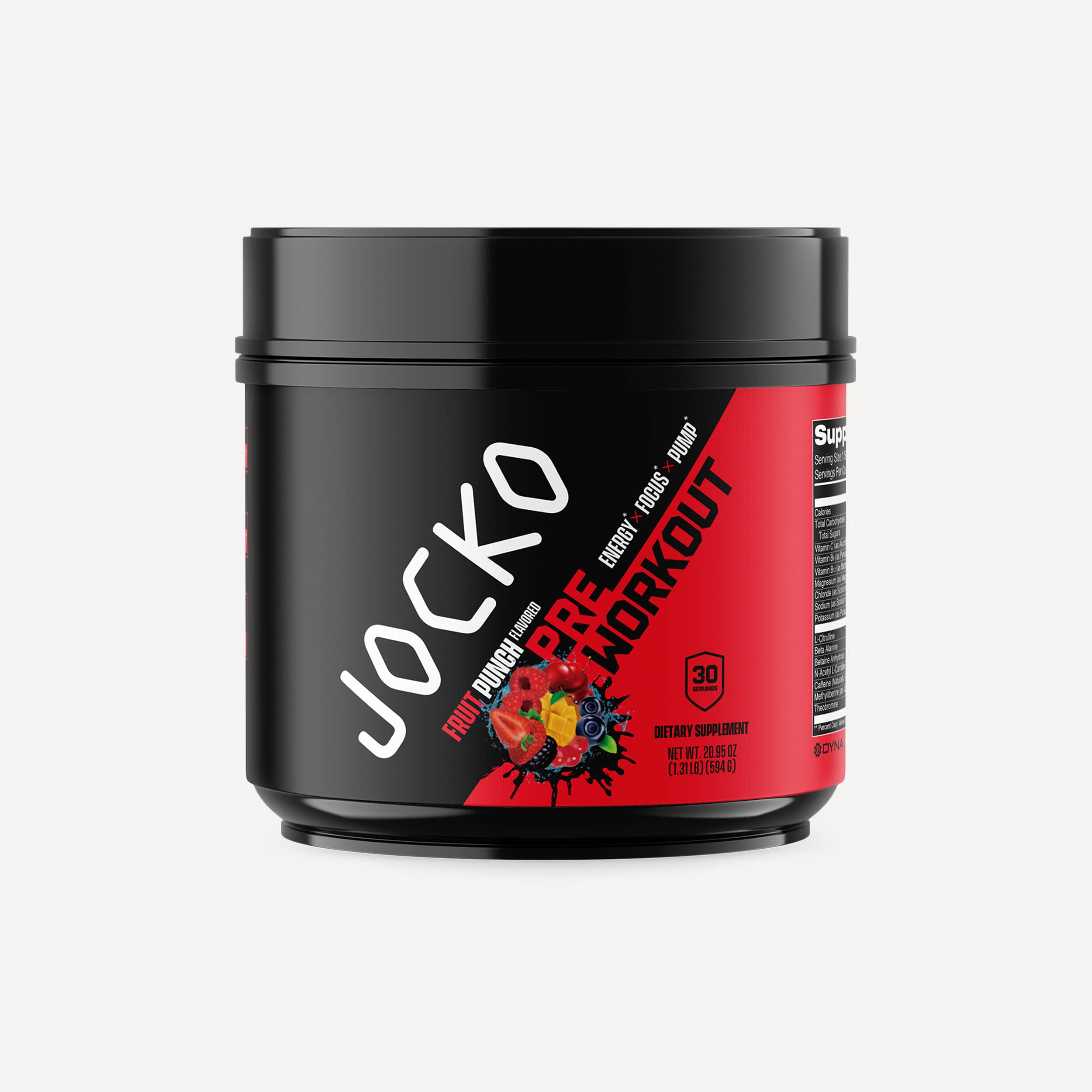
- Optional: 3 mg/kg caffeine 45 min before start.
During (per hour)
- Hot weather: 750–1,000 mL fluid with 800–1,200 mg sodium, 200 mg potassium, 100 mg magnesium.
- Cool weather: 500–750 mL fluid with 500 mg sodium.
- Ruck > 90 min: Add 30–60 g carbs/hr from a drink mix, chews, or a sandwich half — food works fine when you're walking.
Joint & Tendon Support
The knees, hips, and Achilles absorb 20–40% more impact under load. Chronic ruckers benefit from 15 g collagen peptides + 50 mg vitamin C 30 min pre-ruck, plus 2 g/day omega-3 for baseline anti-inflammatory support. Progress ruck weight no more than 5 lb every 2–3 weeks to let connective tissue adapt.
Post-Ruck Recovery
- Rehydrate to 150% of body weight lost during ruck.
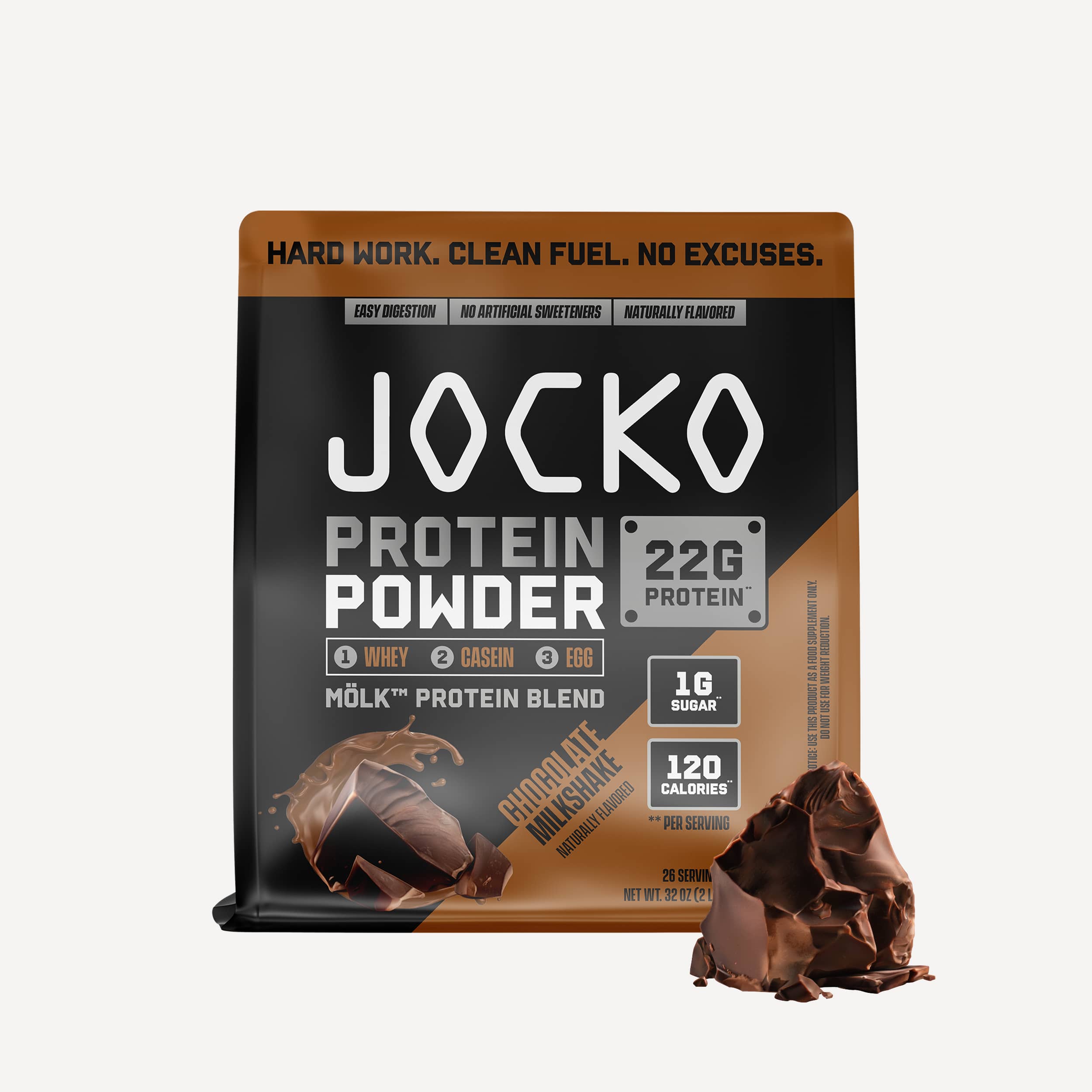
- 25–40 g protein + 60–100 g carbs within 60 min.
- Foot and calf mobility — the most common ruck injury sites.
The Bottom Line
Rucking rewards preparation. Salt hard, fuel enough, protect the joints, and you can ruck heavy and long without breaking down.
Frequently Asked Questions
- How many calories does rucking actually burn?
- Roughly 30–45 kcal/min for a 200 lb person carrying a 40 lb ruck at 15-min/mile pace — 2.5–3x more than unloaded walking at the same pace.
- Do I need carbs during a 5-mile ruck?
- Under 60 min at moderate pace, water + electrolytes are enough. For 90+ min or high heat, add 30–40 g carbs/hr to protect glycogen and pace.