Creatine: Benefits, Dosage & Safety
Creatine is the most well-researched performance supplement available. It supports strength, power, and recovery through a simple mechanism — helping your muscles regenerate ATP faster during explosive efforts.
How It Works
Creatine increases phosphocreatine stores in skeletal muscle. During high-intensity efforts like sprinting, lifting, or jumping, these stores are used to rapidly regenerate ATP — your body's primary energy currency.
Who Should Take It
- Strength and power athletes
- Team sport athletes (football, basketball, baseball)
- Sprinters and explosive sport athletes
- Athletes focused on lean mass and recovery
Common Myths
- "Creatine damages kidneys" — Unsupported in healthy individuals
- "Creatine is a steroid" — False. No hormonal activity
- "You need to cycle creatine" — No evidence supports cycling
Best Practices
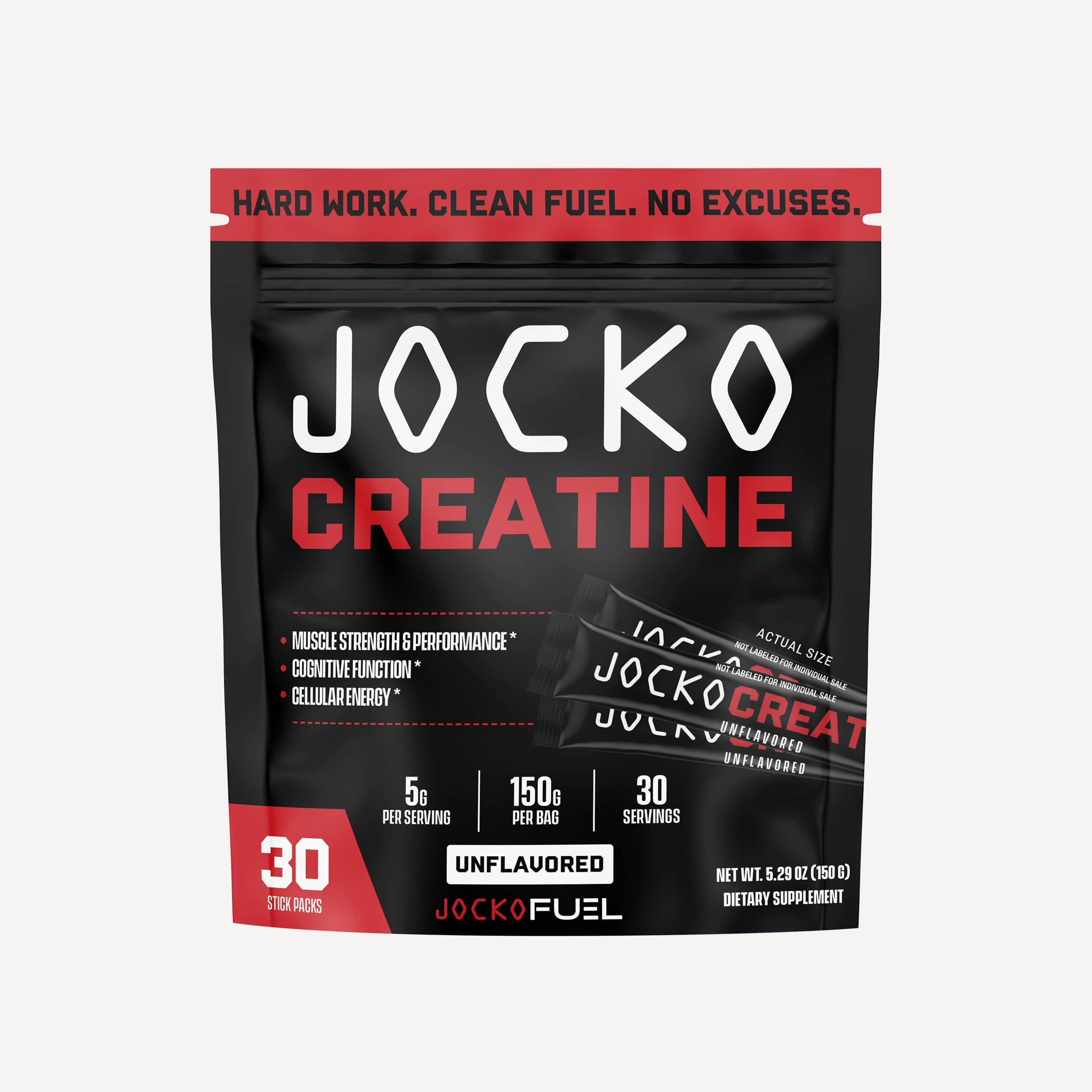
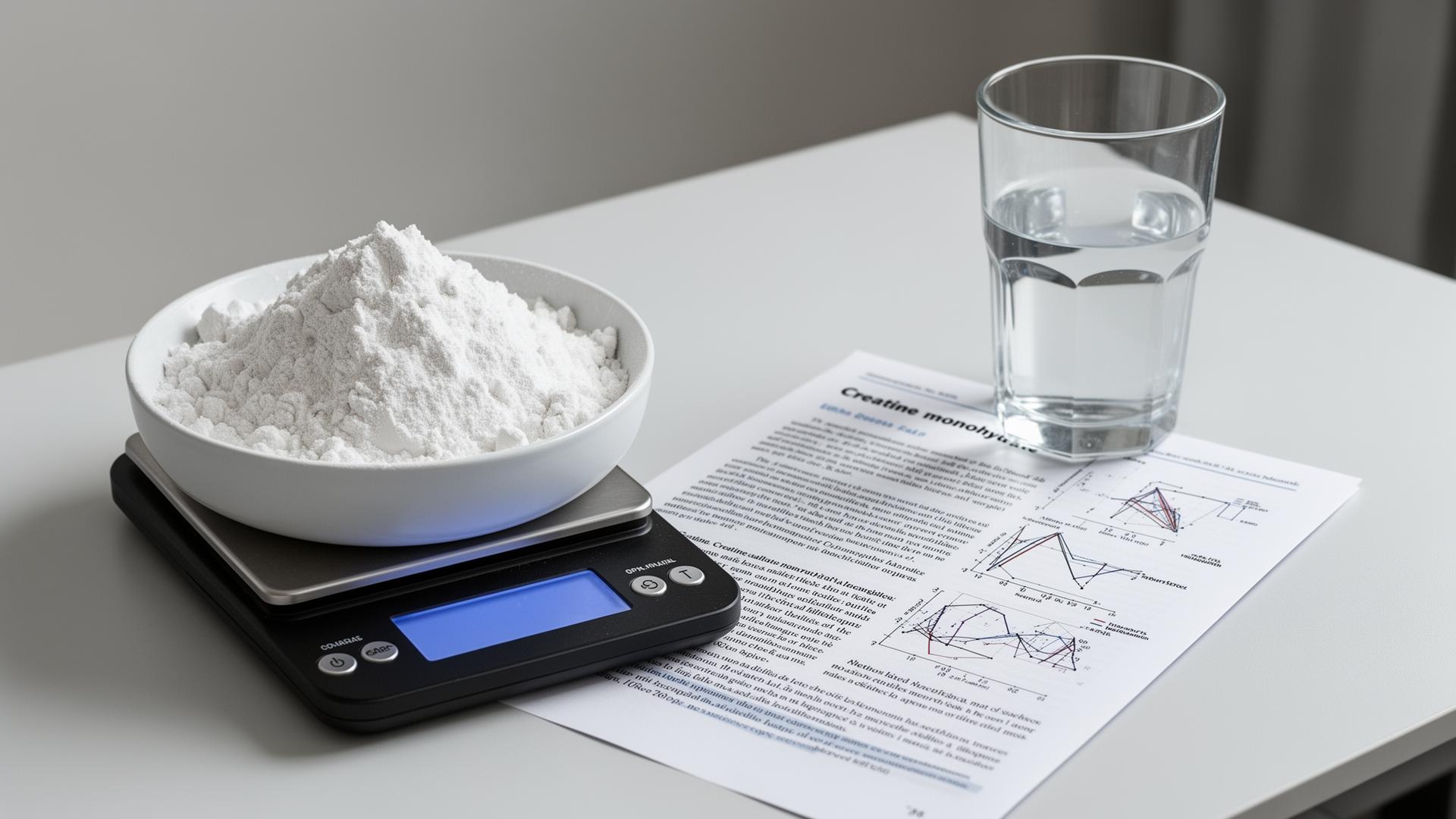
- Take 3–5g daily of creatine monohydrate
- Consistency matters more than timing
- Stay hydrated
- No need to load — but loading is an option for faster saturation
Frequently Asked Questions
- Is creatine safe for long-term use?
- Yes. Creatine monohydrate has been studied for over 30 years with an excellent safety profile in healthy individuals.
- Does creatine work for all athletes?
- Creatine is most effective for power and strength sports. Benefits for pure endurance athletes are more situational.