Anti-Inflammatory Foods and Supplements for Sports Recovery
Intense training causes exercise-induced muscle damage (EIMD), triggering inflammation, oxidative stress, and delayed onset muscle soreness (DOMS). While acute inflammation is necessary for adaptation, chronic low-grade inflammation impairs recovery, increases injury risk, and hinders performance gains. Anti-inflammatory strategies—via polyphenol-rich foods and targeted supplements—modulate pathways like NF-κB, COX-2, and cytokine production to speed healing.
Turmeric and Curcumin
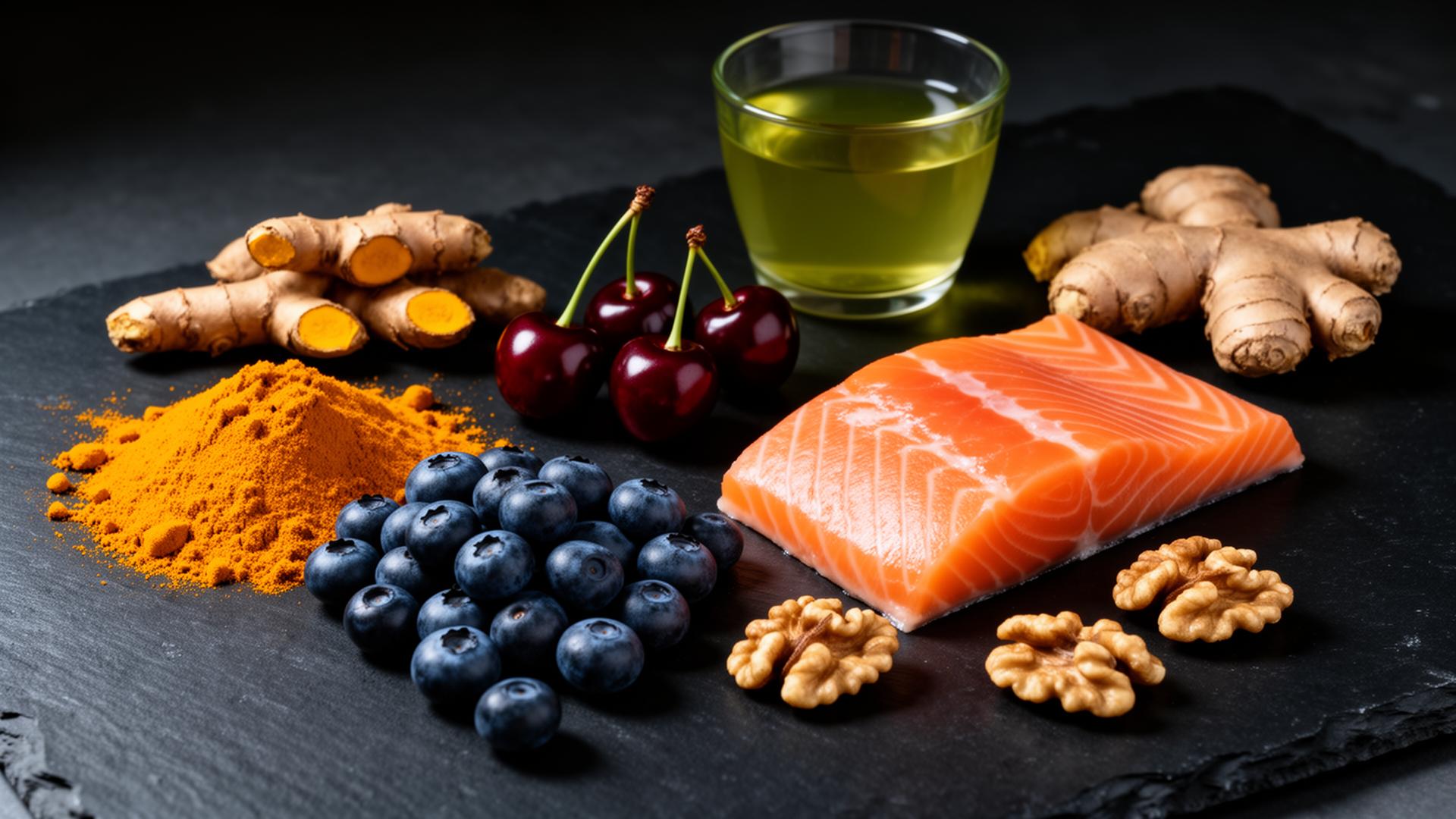
Curcumin, turmeric's active polyphenol, is the most researched anti-inflammatory compound for athletes. It inhibits NF-κB/JAK/STAT/MAPK signaling, reduces COX-2 and 5-LOX eicosanoids, activates Nrf2 antioxidant pathways, and preserves mitochondrial function.
What the Research Shows
Meta-analyses confirm 150–1,500 mg/day of bioenhanced curcumin lowers creatine kinase, soreness, and inflammation markers. A 2025 crossover trial found a turmeric formulation accelerated soreness recovery by 7.9–10.7% and attenuated torque loss in males post-exercise. Elite footballers saw reduced CRP and soreness at 64 hours post-match.
Dosing Protocol
500–1,500 mg/day of bioenhanced curcumin with piperine (black pepper) for 20x improved bioavailability. Start 7 days before intense training blocks and continue post-session. Practical options: capsules for precision, or golden milk (turmeric + black pepper + fat source for absorption).
Berry Antioxidants
Berries—blueberries, tart cherries, strawberries—are rich in anthocyanins and polyphenols that scavenge reactive oxygen species (ROS), lower oxidative stress, and reduce inflammation. Tart cherry juice is the standout performer, consistently attenuating DOMS and strength loss across studies.
Berry intake post-exercise cuts soreness by 20–30% and speeds recovery metrics. Polyphenols also modulate the gut microbiome, producing anti-inflammatory metabolites. Combine berries with protein post-workout for synergistic recovery benefits.
Other Anti-Inflammatory Foods
- Ginger: Gingerols inhibit prostaglandin synthesis, reducing inflammation and nausea.
- Fatty fish: Omega-3s (EPA/DHA) reduce pro-inflammatory cytokines. Aim for 2–3 servings/week.
- Green tea: EGCG activates Nrf2 antioxidant pathways and supports recovery.
- Extra virgin olive oil: Oleocanthal acts as a natural COX inhibitor—comparable to low-dose ibuprofen.
Anti-Inflammatory Meal Plan
A sample day for a 2,500–3,500 kcal athlete focused on recovery:
- Breakfast: Blueberry-oat smoothie (berries, spinach, Greek yogurt, turmeric pinch) + walnuts
- Pre-workout: Tart cherry juice + banana
- Post-workout: Salmon and quinoa salad with turmeric dressing, broccoli, mixed berries
- Dinner: Ginger-turmeric stir-fry with chicken or tofu, vegetables, brown rice
- Snacks: Greek yogurt with strawberries and almonds; green tea
Weekly targets: 3–5 berry servings/day, turmeric daily, omega-3-rich fish 2–3x/week. Track soreness using a visual analog scale (VAS) and adjust intake around intense training blocks.
Practical Implementation
Build your anti-inflammatory foundation with daily berries and turmeric in food, then add a bioenhanced curcumin supplement (500–1,000 mg) during heavy training periods. Layer in omega-3s and tart cherry juice around intense sessions. This food-first, supplement-supported approach reduces soreness, speeds recovery, and protects long-term joint and tissue health.
Frequently Asked Questions
- Does curcumin actually reduce muscle soreness?
- Yes. Meta-analyses confirm 500–1,500 mg/day of bioenhanced curcumin reduces creatine kinase, soreness, and inflammation markers post-eccentric exercise. A 2025 crossover trial showed 7.9–10.7% faster soreness recovery and attenuated torque loss. Use with piperine (black pepper) for 20x better bioavailability.
- Which berries are best for recovery?
- Tart cherries lead the research—tart cherry juice attenuates DOMS and strength loss consistently. Blueberries are rich in anthocyanins that scavenge reactive oxygen species. Strawberries also provide broad polyphenol support. Aim for 3–5 servings of mixed berries daily.
- How does inflammation affect athletic performance?
- Acute inflammation is necessary for adaptation, but chronic low-grade inflammation impairs recovery, increases injury risk, and hinders performance gains. Exercise-induced muscle damage triggers cytokines (IL-6, TNF-α) and oxidative stress—anti-inflammatory nutrition modulates these without blocking beneficial adaptation.
- Can I get enough anti-inflammatory compounds from food alone?
- Food provides a strong foundation—turmeric in cooking, berries daily, fatty fish 2–3x/week, olive oil, and green tea. However, therapeutic doses of curcumin (500–1,500 mg) are difficult to reach from food alone, making supplements practical for intense training periods.
- When should I take anti-inflammatory supplements?
- Curcumin: 500–1,000 mg daily, starting 7 days before and continuing after intense sessions. Tart cherry juice: pre- and post-workout. Omega-3s: daily with meals. Avoid high-dose antioxidants immediately post-training if you want to preserve the adaptive inflammation signal.