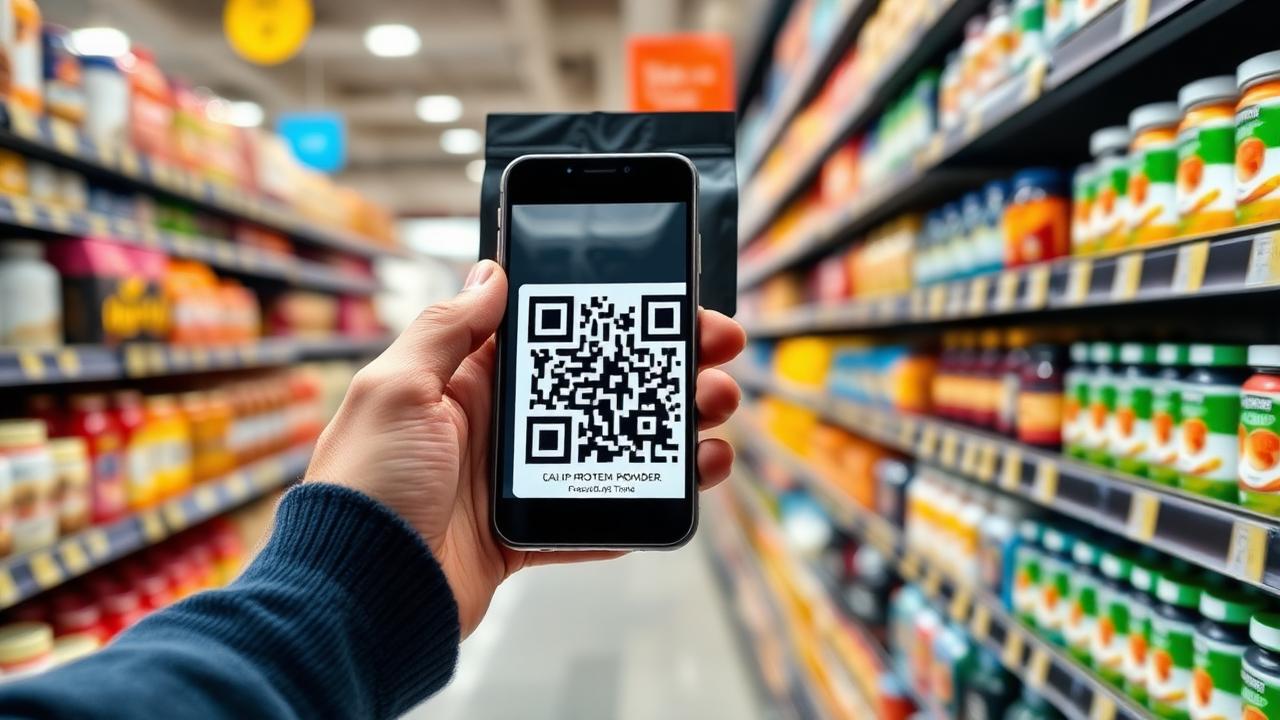
GS1 Sunrise 2027: Why Every Supplement Brand Needs a Packaging Plan Now
The barcode on the back of your product has barely changed since the 1970s. It carries one thing: a product identifier. It tells a checkout scanner what the item is and what it costs, and nothing else. Not which batch. Not when it expires. Not whether it's genuine.
That is about to change globally, and the deadline everyone is organising around is GS1 Sunrise 2027.
The industry is moving from the 1D barcode to the 2D QR-powered future. Arranti is ready.
What the Transition Actually Is
GS1 Sunrise 2027 marks the move from the linear (1D) barcode to next-generation 2D data carriers — principally QR codes powered by GS1 Digital Link. The critical idea is that one code does every job: it scans at point of sale like a traditional barcode, and it also resolves to a live digital record about that specific unit.
It is not a cosmetic symbol swap. It converts every pack from a static object into a connected one.
Why Supplement Brands Should Care More Than Most
Sports nutrition sits at the intersection of high value, high counterfeit risk, tight expiry management and an audience that genuinely wants to interrogate what they're taking. Almost every benefit of 2D packaging lands hard in this category:
- Authenticity verification. Serialized codes let a customer confirm a unit is genuine — a direct answer to counterfeits and diverted goods on global marketplaces.
- Batch, expiry and recall precision. Instead of pulling an entire production run, a brand can identify and retire exactly the affected units.
- Third-party testing transparency. Certificates of analysis, banned-substance testing and sourcing data linked to the batch in the customer's hand, not a generic PDF.
- Consumer engagement at the shelf. Dosing protocols, training content, subscription sign-up and reorder — reached by scanning the pack itself.
- Regulatory headroom. Digital labelling relieves the pressure on physical panel space, especially for brands selling across North America, the EU and the UK.
Arranti Prints This Today
The gap between "good idea" and "on my packaging" is print capability. Arranti builds variable QR security codes inline across its formats — pouches, pressure sensitive labels, shrink sleeves and display boxes. Variable means every unit can carry a unique, serialized code rather than the same static image repeated a million times, which is what makes authentication and unit-level traceability possible at all.
Because the capability spans formats, a brand can carry consistent serialization across a flat bottom pouch, a shrink-sleeved tub and a labelled bottle in the same range.
The Design Problem Nobody Mentions
A 2D code needs contrast, quiet zone and adequate physical size to scan reliably at a busy checkout. Retrofitting one onto artwork designed around a slim 1D rectangle usually means re-laying out the back panel. Brands that plan for it during their next artwork cycle absorb that work for free. Brands that wait pay for an emergency redesign under retailer pressure.
A Simple Way to Get Ahead
You don't need a completed digital strategy to start. Reserve the space and specify serialized QR capability on your next print run, decide what the code should resolve to first — usually certificates of analysis and usage guidance — and expand from there. The packaging becomes an asset that keeps earning after it leaves the shelf.
2027 sounds distant until you count how many print cycles you have left before it.
Frequently Asked Questions
- What is GS1 Sunrise 2027?
- A global industry transition from the traditional linear 1D barcode to next-generation 2D data carriers such as QR codes powered by GS1 Digital Link, so a single code can serve point of sale, traceability and consumer engagement.
- Does my current barcode stop working in 2027?
- The intent is capability, not an overnight cut-off — retail systems are being upgraded to read 2D codes. The practical risk is being the brand whose artwork still needs reworking when retailers start asking for 2D.
- What does a serialized QR code let a brand do?
- Verify authenticity, trace batch and expiry to the individual unit, target recalls precisely instead of pulling entire production runs, and connect the shopper to live product content after purchase.