Best Supplements for Hockey Players: Built for 45-Second Maximums
Hockey is one of the most metabolically demanding sports on the planet — repeated 30–60 second shifts at maximum output, with incomplete recovery between, across three 20-minute periods. The supplement stack that supports it isn't speculative; it lines up exactly with what the sport's energy systems demand.
The Energy System Reality
- 0–10 seconds (ATP-PCr): Explosive starts, hard checks, slap shots — fueled by phosphocreatine
- 10–60 seconds (anaerobic glycolysis): Sustained skating, board battles — produces lactate; limited by acid buffering
- Between shifts (aerobic recovery): Phosphocreatine and oxygen debt restored on the bench
The Core Stack
1. Creatine Monohydrate — 5 g/day
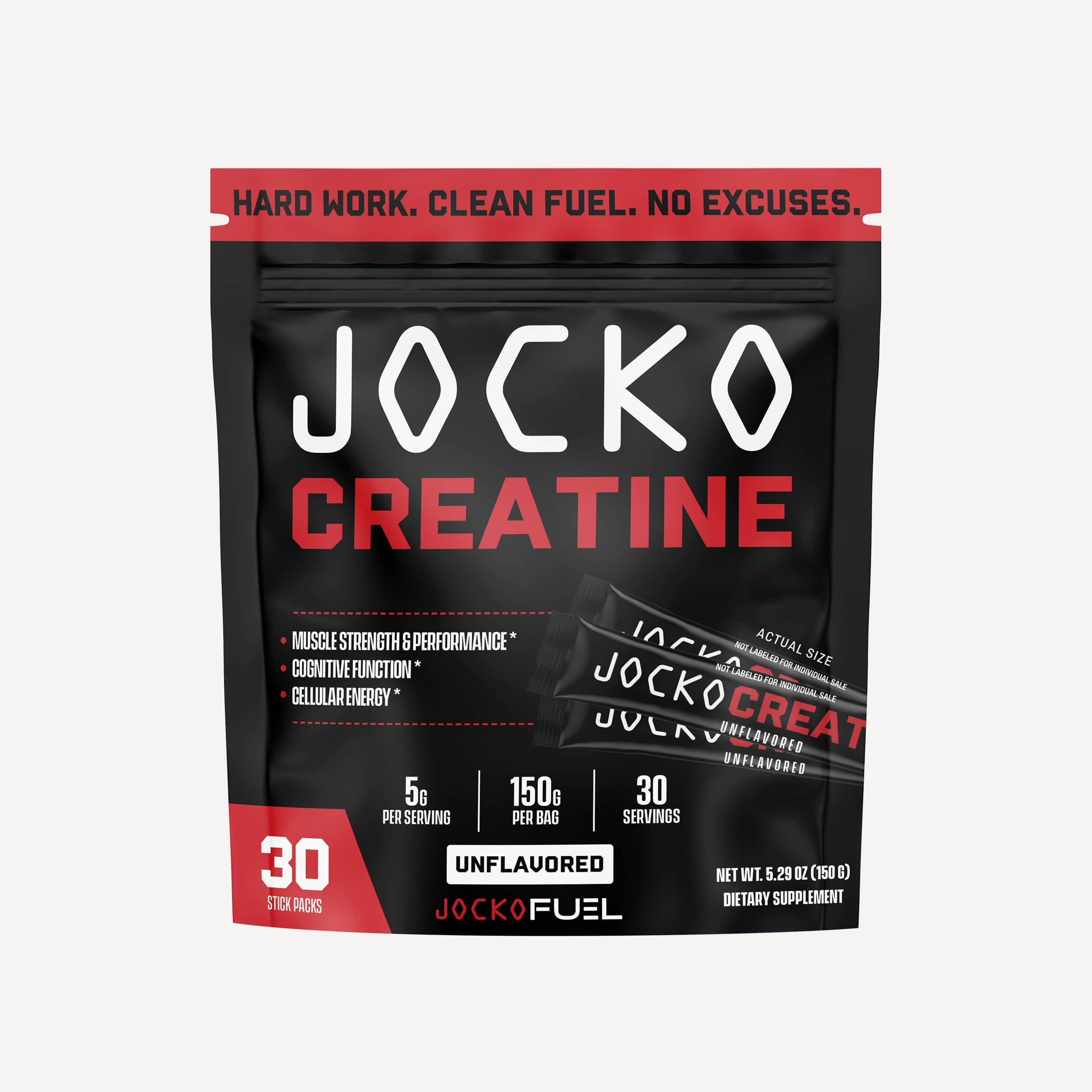
Hockey is the textbook case for creatine. Saturating muscle phosphocreatine stores means more explosive starts, more powerful shots, and meaningfully better third-period legs. Daily dose, no loading required. Skip "advanced" forms — monohydrate has 700+ studies behind it.
2. Beta-Alanine — 3.2–6.4 g/day
Beta-alanine raises muscle carnosine, the primary buffer against lactic acid buildup during 30–240 second efforts. Translation: less burning legs at the end of long shifts. Split the dose to avoid the harmless tingles (paresthesia). Effect builds over 4–6 weeks of consistent use.
3. Caffeine — 100–200 mg pre-game
The most reliable ergogenic aid in sport. Improves reaction time, reduces perceived exertion, sharpens focus through 60 minutes of play. Take 30–45 minutes before warm-up. Skip on poor-sleep days or you'll burn out by the third period.
4. Electrolytes + Carbs Between Shifts
A 60-minute hockey game in full gear can produce 1–2 liters of sweat loss. Plain water doesn't replace sodium fast enough.
- 30–60 g carbs/hour from sports drink, gel, or simple sugars
- 500–800 mg sodium/hour
- 200–400 mg potassium/hour
5. Whey Protein — Post-Game / Post-Practice
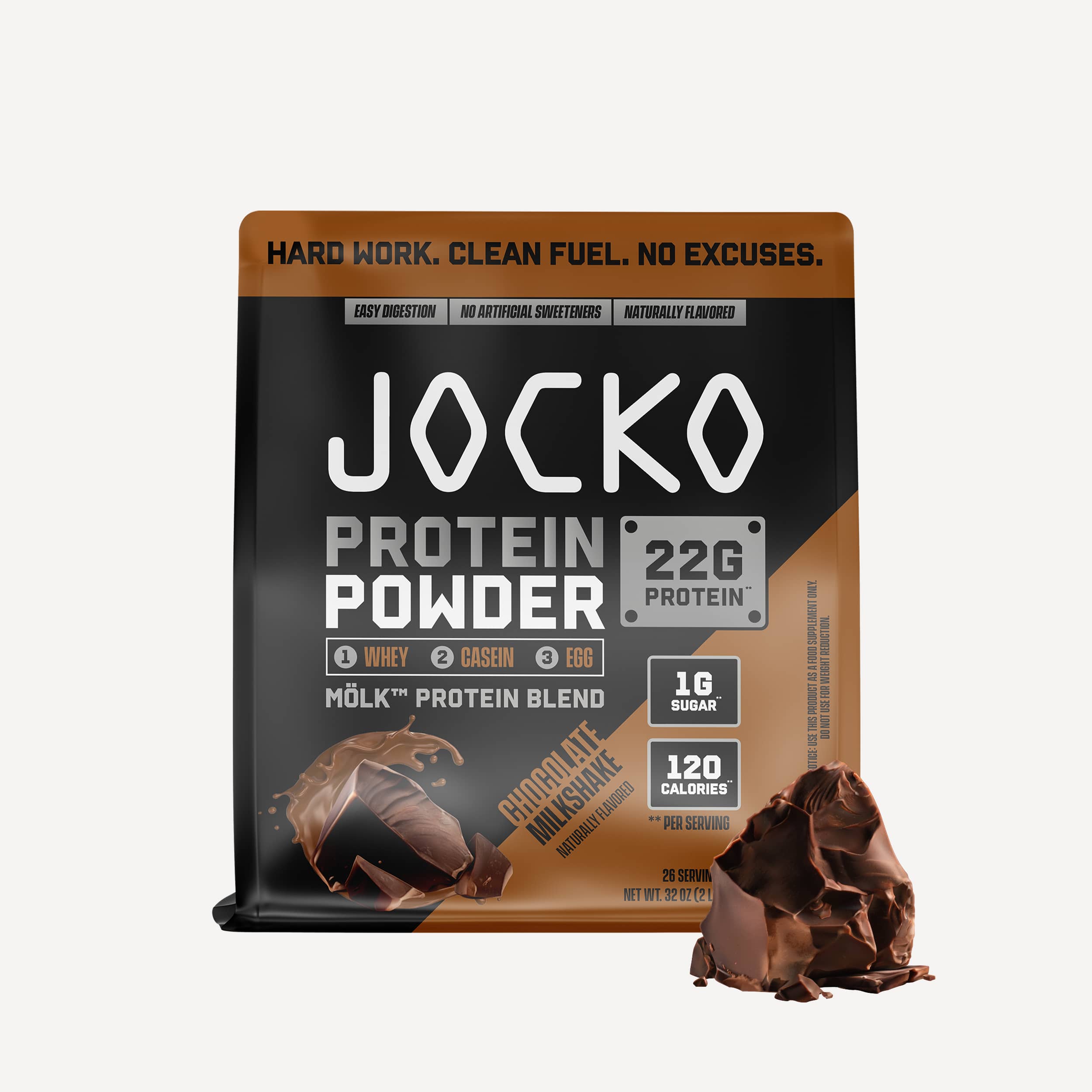
25–30 g whey within 60 minutes of stepping off the ice. Pairs with carbs to refill glycogen and start muscle repair. Critical during tournament weekends with multiple games.
6. Omega-3 (EPA/DHA) — 2–3 g/day
Joint support for knees, hips, and lower back — the parts of a hockey player that take a beating. Also supports brain health, relevant in a contact sport.
7. Vitamin D3 — 2,000–5,000 IU/day
Indoor athletes in northern climates are chronically deficient. Vitamin D supports power output, immune function, and bone health. Test annually and dose to a serum 25(OH)D level of 40–60 ng/ml.
8. Magnesium Glycinate — 300–400 mg before bed
Late-night games wreck sleep. Magnesium glycinate calms the nervous system, supports deeper sleep, and helps with muscle relaxation between hard skating days.
Position-Specific Tweaks
- Defensemen: Emphasize creatine and beta-alanine — longer shift averages
- Forwards: Higher caffeine value for shorter, more explosive shifts
- Goalies: Focus on hydration, sodium, and joint support; less reliance on stims
Game Day Timeline
- 3 hours pre: Carb-rich meal with moderate protein
- 60 min pre: Electrolyte drink + 100–200 mg caffeine
- Warm-up to puck drop: Sip carb-electrolyte mix
- Between periods: Carbs + sodium + small protein dose (10–15 g)
- Post-game (within 60 min): 25–30 g whey + carbs + fluids + electrolytes
What to Skip
- Mega-dose stim pre-workouts — penalty risk + crash by third period
- Plain BCAAs — use a full whey shake instead
- "Testosterone boosters" — almost universally ineffective for healthy players
The Bottom Line
Hockey doesn't need a 12-bottle stack. Creatine + beta-alanine + electrolytes + caffeine + whey covers the energy systems and recovery demands the sport actually places on the body. Add omega-3, vitamin D, and magnesium for long-term durability — and you've got a stack that holds up through 60+ game seasons.
Frequently Asked Questions
- What's the #1 supplement for hockey?
- Creatine monohydrate. Hockey's 45-second shifts are exactly the ATP-PCr energy system creatine supports — explosive starts, hard backchecks, third-period legs.
- Does beta-alanine help hockey players?
- Yes — significantly. Hockey shifts last 30–60 seconds at maximal output, the exact window beta-alanine (via carnosine buffering) improves. Most studies show 2–3% performance gains in repeated sprint work.
- Are caffeine pre-workouts safe before a game?
- 100–200 mg of caffeine 30–45 min pre-game is well supported. Avoid mega-doses or stacked stims — refs don't appreciate the extra penalties from over-amped players.
- What about during games — what should I sip?
- Electrolyte-carb mix between shifts: 30–60 g carbs/hour + 500–800 mg sodium. Plain water is fine for short bursts but inadequate for a full 60-minute game with warm-up.