Creatine for Golfers: The Underrated Edge for Distance, Endurance, and Focus
Golf doesn't look like a sport that needs creatine — but every swing is a maximum-effort, sub-second explosion of force. Add 70+ swings, 5+ miles of walking, and 4–5 hours of decision-making, and you have an event creatine is genuinely well-suited to.
What Golf Actually Demands
- Explosive ATP-PCr power on every full swing — the exact system creatine fuels
- 4–5 hours of low-grade aerobic work walking the course
- Sustained focus for shot selection, club choice, and putting
- Recovery between rounds in multi-day tournaments
Club Head Speed and Distance
Club head speed is the #1 predictor of driving distance, and it's driven by rate of force development in the rotational chain — hips, core, lats, shoulders, forearms. Creatine has been shown across multiple studies to increase peak power output by 5–15% in athletes performing short-duration max efforts. Translated to a swing, that's measurable yardage gains in players already training for speed.
The Mental Game on the Back Nine
Research from McMorris and Rae has shown creatine supplementation improves cognitive performance under conditions of fatigue and sleep deprivation. Golfers know exactly what this means: the 16th-hole mistake from mental fatigue is a real thing, and any tool that protects executive function over 5 hours is worth taking seriously.
Recovery for Multi-Round Tournaments
Two- and three-day events stack physical and mental fatigue. Creatine supports glycogen replenishment when paired with carbs and accelerates recovery from eccentric muscle damage — meaning fresher legs on day 2 and 3.
Will Water Weight Hurt My Game?
Creatine pulls 1–2 kg of water into muscle cells (intracellular, not bloat). Unlike a boxer making weight or a runner cutting grams, golfers have no reason to fear this. The mass is functional — it lives inside the muscle and improves work capacity.
How to Dose
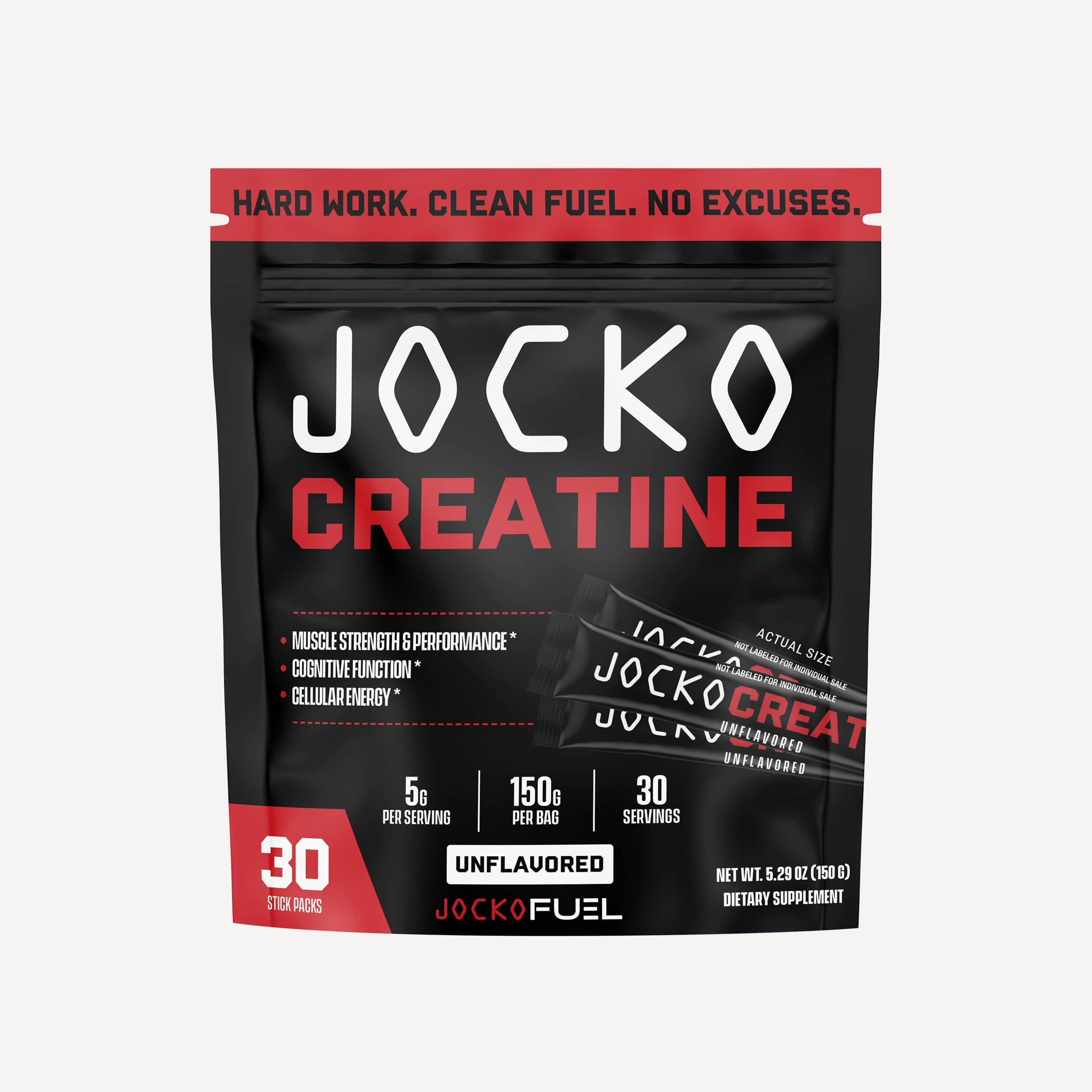
- Daily dose: 5 g creatine monohydrate, every day
- Timing: Doesn't matter — take it with any meal
- Loading (optional): 20 g/day split into 4 doses for 5–7 days, then 5 g maintenance. Saturates faster for an upcoming tournament.
- Form: Plain monohydrate. Skip "advanced" forms — same effect, 3× the price.
What to Stack With
- Electrolytes — long hot rounds drain sodium and potassium
- Caffeine — 100–200 mg pre-round for sharper focus
- Omega-3 — joint support for shoulders, hips, and elbows after high-volume range days
- Magnesium glycinate at night — for sleep quality between tournament rounds
The Bottom Line
Golf is a power and endurance sport disguised as a leisure activity. Creatine quietly addresses both demands — more club head speed, sharper focus deep in the round, faster recovery between days. 5 g a day. Boring. Effective.
Frequently Asked Questions
- Does creatine actually help golfers?
- Yes — golf demands explosive ATP-PCr power on every swing, plus 4–5 hours of focus. Creatine supports both the high-power output of the swing and the cognitive sharpness needed for late-round decisions.
- Will creatine slow me down with extra water weight?
- The 1–2 kg of intracellular water creatine adds doesn't hurt golf performance. Unlike weight-class sports, the strength and power benefits clearly outweigh any minor weight gain.
- When should a golfer take creatine?
- Timing doesn't matter for the swing itself — what matters is daily saturation. Take 5 g/day consistently. On tournament days, take it with breakfast.
- Does creatine help mental focus on the back nine?
- Research shows creatine improves cognitive performance under fatigue and sleep deprivation. For golfers playing 5-hour rounds, the late-round mental sharpness benefit is real.