Supplements for Mental Focus in Sports: Nootropics and Nutrition
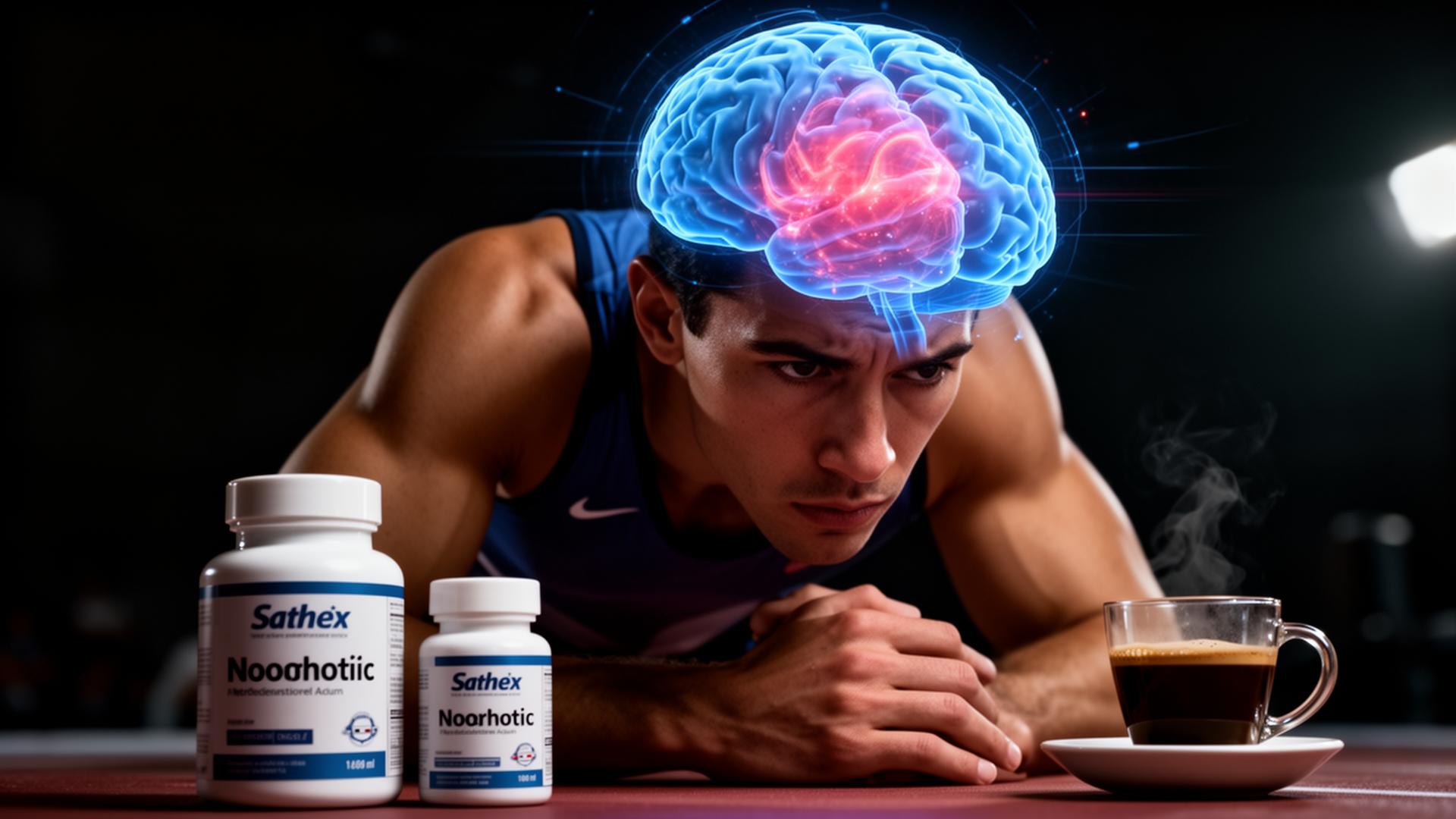
Sports nutrition isn't just physical—mental focus, attention, decision-making, and reaction time are crucial in team games, combat sports, and precision events. Stress, fatigue, and dehydration impair cognition, but nootropics and targeted nutrients can sharpen your mental edge. Surveys show active individuals already use caffeine (21.7%), creatine (9.8%), omega-3s (7%), and L-theanine (6.6%) for energy and motivation.
L-Theanine + Caffeine: The Synergy Stack
This is the most well-researched nootropic combination for athletes. Caffeine blocks adenosine receptors to increase alertness and catecholamine release. L-theanine (from tea) promotes calm alpha brain waves, reducing jitters and anxiety. Together, they improve attention, task-switching accuracy, and sustained alertness better than caffeine alone.
Athletic Research
In curling athletes, the combination (3 mg/kg each) enhanced shooting accuracy and cognitive speed. In wrestlers, it reduced anxiety and improved execution under competitive pressure. The synergy delivers focus without crash—particularly valuable in high-pressure sports.
Dosing Protocol
100–200 mg L-theanine + 40–200 mg caffeine (or 2–6 mg/kg body weight). Take 30–60 minutes pre-competition or training. The combination works across a wide dose range, so start conservative and adjust based on individual response.
Omega-3s for Brain Health
DHA and EPA are structural components of neuron membranes, supporting signal transmission and reducing neuroinflammation. They enhance BDNF (brain-derived neurotrophic factor), which supports neuroplasticity and learning. Athletes with higher omega-3 levels show better reaction time and mood stability.
Benefits are strongest under stress conditions—sleep deprivation, heavy training loads, or competitive pressure. Dose: 1–3 g EPA+DHA daily from fish oil or algal oil (vegan). This is a long-term investment: consistent daily intake over weeks builds cognitive resilience.
Other Nootropics for Athletes
Creatine
Beyond muscle, creatine serves as an energy buffer in the brain. At 5 g/day, it reduces mental fatigue during demanding cognitive tasks, with stronger effects under stress (sleep deprivation, intense training). One of the few supplements with robust evidence for both physical and mental performance.
Blackcurrant and Polyphenols
Emerging research shows blackcurrant extract improves mental clarity and reduces perceived fatigue in athletes. Polyphenols from berries, dark chocolate, and green tea offer neuroprotective antioxidant effects that support long-term cognitive health.
Tyrosine
A precursor to dopamine and norepinephrine, tyrosine aids focus and decision-making under acute stress. Most useful in extreme conditions (cold, altitude, sleep deprivation) rather than baseline training.
Athlete Routines
Pre-training: Caffeine + L-theanine (30–60 min before). Daily: Omega-3 (1–3 g) + creatine (5 g) with meals. Post-training: Recovery nutrients for neurological repair. This three-tier approach covers acute performance, daily brain health, and long-term cognitive protection.
Practical Protocol
Start with the caffeine + L-theanine stack on training days, then layer in daily omega-3 and creatine. Track subjective focus, reaction time, and decision quality over 4–6 weeks. Most athletes notice sharper focus within the first week from the acute stack, with compounding benefits from omega-3 and creatine over months.
Frequently Asked Questions
- What is the best nootropic stack for athletes?
- Caffeine (3–6 mg/kg) + L-theanine (100–200 mg) taken 30–60 minutes pre-training is the most researched and effective stack. It enhances focus, reaction time, and accuracy while reducing caffeine jitters. Add daily omega-3 (1–3 g EPA+DHA) and creatine (5 g) for long-term cognitive support.
- Does L-theanine reduce caffeine side effects?
- Yes. L-theanine promotes calm alpha brain waves that counterbalance caffeine's stimulatory effects. Studies in curling athletes and wrestlers show the combination improves shooting accuracy and cognitive speed while reducing anxiety—focus without the crash.
- How do omega-3s support mental performance in sports?
- DHA and EPA support neuron membrane structure, reduce neuroinflammation, and enhance BDNF (brain-derived neurotrophic factor). Athletes with higher omega-3 levels show better reaction time and mood stability. Benefits are strongest under stress conditions like sleep deprivation or heavy training.
- Does creatine help with mental focus?
- Yes. Creatine serves as an energy buffer in the brain, reducing mental fatigue during demanding tasks. At 5 g/day, it improves cognitive performance especially under stress—sleep deprivation, intense training, or high-pressure competition.
- When should I take nootropics for sports?
- Pre-training: Caffeine + L-theanine 30–60 minutes before. Daily: Omega-3 (1–3 g) and creatine (5 g) with meals for long-term brain health. Post-training: Recovery nutrients to support neurological repair. Consistency matters more than timing for omega-3 and creatine.