Intermittent Fasting and Sports Nutrition: Does It Work for Athletes?
Fasting trends are everywhere, but can they fit into sports nutrition without killing gains? Intermittent fasting (IF)—particularly the 16:8 protocol—promotes fat loss and metabolic flexibility, but raises legitimate concerns about energy dips, glycogen depletion, and high-intensity performance. The evidence? IF doesn't impair most metrics if energy and calories are matched, but results vary by protocol, training type, and sex.
Protocols: Understanding Your Options
16:8 Time-Restricted Eating
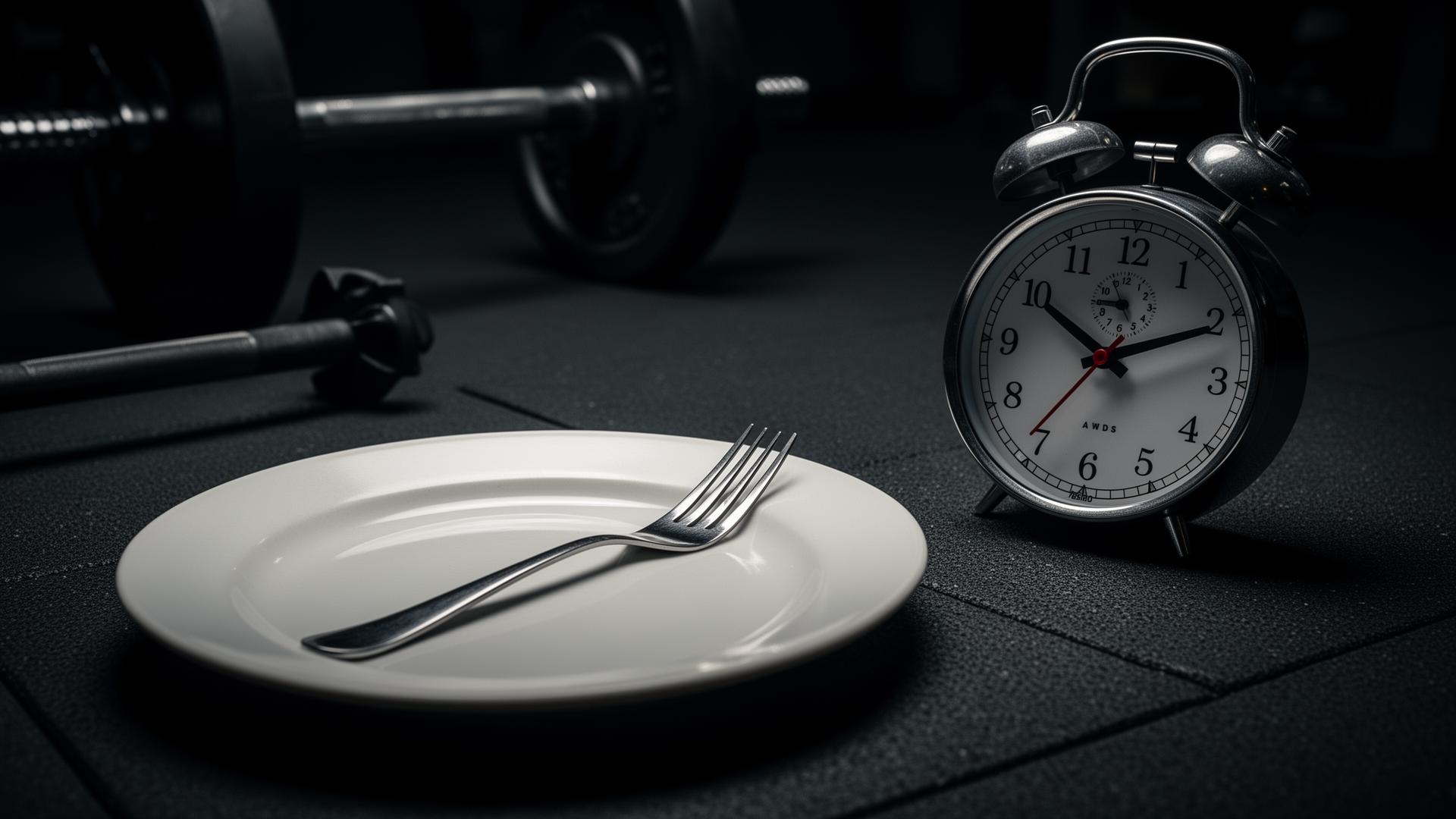
The most popular and practical protocol: 16 hours fasting, 8 hours eating. Research shows performance is maintained if athletes fuel adequately within the eating window. Time-restricted eating aligned with circadian rhythms (e.g., 10 AM–6 PM) may improve recovery markers in some individuals.
Other Approaches
5:2 (5 normal days, 2 reduced-calorie days) and alternate-day fasting are less practical for athletes due to severe energy restriction on fasting days. For most athletes, 16:8 or a relaxed 14:10 provides the best balance of benefits and training performance.
What the Meta-Analyses Show
A comprehensive meta-analysis confirms IF + exercise reduces fat mass without significant strength or power loss. The key caveat: total caloric and protein intake must be adequate. IF is a meal timing strategy, not a calorie restriction strategy—though it often leads to spontaneous calorie reduction.
Pros and Cons for Training
Benefits
- Fat loss without muscle loss when protein is high (1.6–2.2 g/kg/day)
- Enhanced fat adaptation for endurance sports—increased fat oxidation rates
- Cardiometabolic improvements: better insulin sensitivity, reduced inflammation
- Simplicity: fewer meals to plan and prepare
Drawbacks
- Reduced glycogen for high-intensity work in fasted state
- Potential strength dips during the 1–2 week adaptation period
- GI issues and fatigue if large meals are crammed into short windows
- Social and scheduling challenges around team meals and travel
Systematic reviews confirm no negative effects on aerobic, anaerobic, or strength metrics when calories are adequate. Some studies even show explosive strength gains, suggesting fasted training may enhance certain neuromuscular adaptations.
Adjustments for Women
Female hormones are more sensitive to energy restriction. IF may disrupt menstrual cycles if it creates severe low energy availability. Recommendations for female athletes:
- Shorter windows: Start with 12:12, progress to 14:10 maximum
- Cycle-sync: Avoid strict fasting during the luteal phase when energy needs are higher
- Monitor: Track menstrual regularity, energy, and mood—discontinue if cycles become irregular
- Protein priority: Ensure 1.6–2.2 g/kg within the eating window, spread across 3–4 meals
Practical Implementation
Start gradual: Begin with 12:12 for one week, then extend to 14:10, then 16:8 over 2–3 weeks. Time your eating window to include your most intense training sessions. Ensure adequate protein (1.6–2.2 g/kg/day) distributed across 3–4 meals within the window. Track performance, body composition, and hormonal markers over 4–8 weeks before concluding whether IF works for your sport and body.
Frequently Asked Questions
- Does intermittent fasting hurt athletic performance?
- Not if calories and macros are matched. Reviews show IF doesn't impair aerobic, anaerobic, or strength metrics when total energy intake is adequate. Some athletes report initial fatigue during adaptation (1–2 weeks), but performance normalizes once adapted.
- Can you build muscle while intermittent fasting?
- Yes, if protein intake is high (1.6–2.2 g/kg/day) and distributed across 3–4 meals within the eating window. Meta-analyses show IF + exercise reduces fat mass without significant strength or muscle loss when nutrition is dialed in.
- What's the best IF protocol for athletes?
- 16:8 (16 hours fasting, 8 hours eating) is most common and practical. Time-restricted eating with an 8–10 hour window aligns with circadian rhythms. Start with 12:12 and progress to 16:8 over 2 weeks to allow adaptation.
- Should female athletes fast differently?
- Yes. Women's hormones are more sensitive to energy restriction. Shorter windows (12–14 hours) are recommended, and fasting should be avoided or modified during the luteal phase. Monitor menstrual regularity and energy levels—discontinue if cycles become irregular.
- Is fasted training beneficial?
- It can enhance fat adaptation for endurance athletes by increasing fat oxidation rates. However, fasted high-intensity or strength training may compromise output. For best results, time intense sessions within the eating window or use a small pre-workout protein/carb dose.