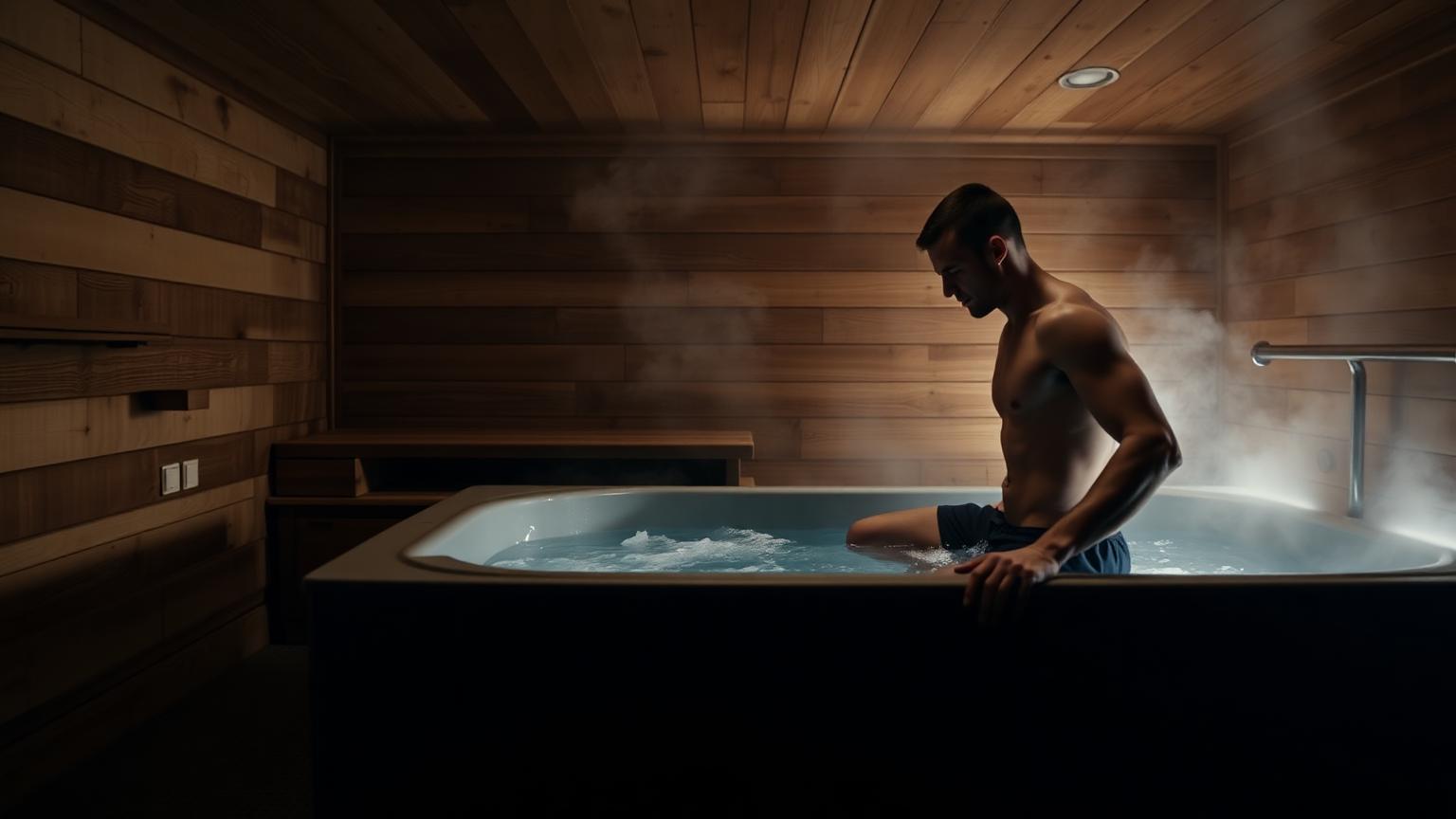
Cold Plunge vs. Sauna for Recovery
Both are trendy. Both are useful. But they work through opposite mechanisms — and used at the wrong time, cold plunges can measurably reduce your gains.
What Cold Plunging Actually Does
- Constricts blood vessels, reducing acute inflammation and perceived soreness.
- Spikes norepinephrine 2–3x, improving mood and alertness for hours.
- Blunts muscle protein synthesis when done within ~4 hours of resistance training (multiple RCTs, notably Roberts et al., 2015).
What Sauna Actually Does
- Raises plasma volume by 10–15% over 2 weeks — a direct endurance adaptation.
- Increases heat-shock proteins that protect muscle from breakdown.
- 4x/week of 20 min at 174°F+ associates with 40% lower all-cause mortality in Finnish cohort studies.
- Does not blunt hypertrophy.
When to Use Which
- Building muscle? Sauna post-training. Save cold exposure for morning or rest days.
- Endurance block? Sauna 4x/week is arguably the highest-ROI unpaid coaching intervention available.
- In-season contact sport? Cold post-game for acute soreness is fine — the season isn't when you're gaining muscle anyway.
- Contrast (hot then cold)? Useful for mental resilience, but if hypertrophy matters, avoid the cold within 4 hr of lifting.
The Bottom Line
Sauna is a universally positive intervention. Cold is context-dependent. Get the timing right and you get the best of both without paying a strength tax.
Frequently Asked Questions
- Does cold plunging blunt muscle growth?
- Yes — when done in the 4-hour window after resistance training. It attenuates hypertrophy signaling. Push cold exposure to a rest day or a morning session if you're focused on building muscle.
- How much sauna is enough?
- 4 sessions/week of 20 minutes at 79°C+ (174°F+) is the dose linked to the strongest cardiovascular and longevity outcomes in Finnish cohort data.