Collagen Peptides for Joints, Tendons & Skin
Collagen is the most abundant protein in the human body — 30% of your total protein mass, and the primary structural protein in tendons, ligaments, cartilage, skin, and bone. From age 25, your body makes about 1% less collagen every year. Supplementation reverses part of that decline.
The Evidence
- Tendon synthesis: 15 g gelatin + 50 mg vitamin C, 60 min pre-training, doubled collagen synthesis in a landmark Baar lab RCT (2017).
- Joint pain: 24-week trial in athletes showed significant reductions in activity-related joint pain at 10 g/day.
- Skin elasticity: Meta-analysis of 19 RCTs shows measurable skin hydration and elasticity improvements at 2.5–15 g/day for 8+ weeks.
- Bone density: 5 g/day for 12 months increased spine and femoral neck BMD in postmenopausal women.
The Protocol
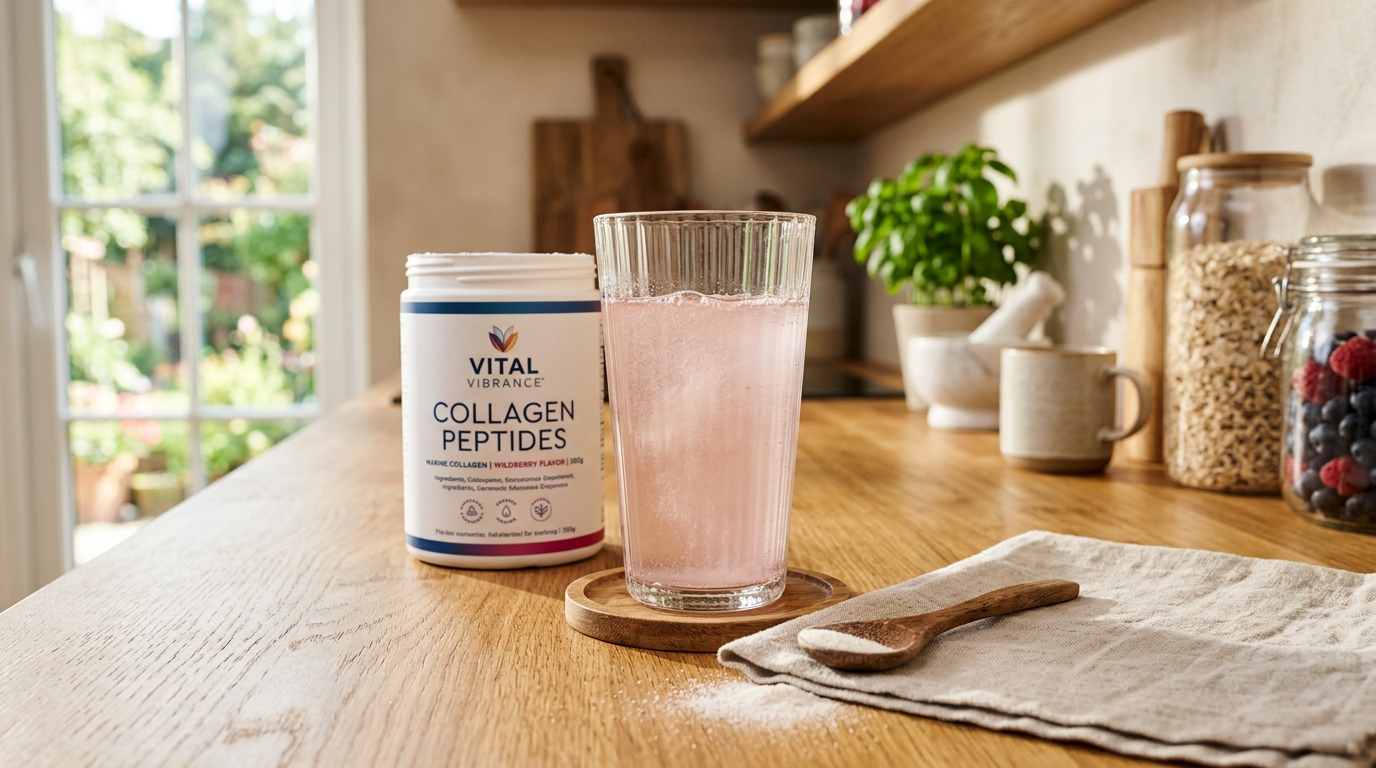
- Dose: 15 g of hydrolyzed collagen peptides.
- Timing: 60 minutes before training, cross-training, rehab, or long walks.
- Co-factor: 50 mg vitamin C (a small orange, or a chewable) — required for the enzymatic step (prolyl hydroxylase).
- Consistency: Daily. Skipping days breaks the adaptation.
What to Look For
- Hydrolyzed collagen peptides (not gelatin, which won't dissolve cold).
- Type I + III blend (bovine hide) for skin, tendons, ligaments.
- Third-party tested — collagen is a common vector for heavy metal contamination.
- Unflavored so you can mix into coffee, water, or a shake.
The Momentous Standard
Momentous Collagen Peptides delivers 15 g of grass-fed, pasture-raised bovine collagen (Types I + III) per serving, NSF Certified for Sport, unflavored. Meets the exact studied dose and quality bar. Shop Momentous Collagen →
Frequently Asked Questions
- How is collagen different from whey for joints?
- Whey builds muscle. Collagen builds connective tissue. Whey is high in leucine (muscle growth); collagen is high in glycine, proline, and hydroxyproline — the exact amino acids in tendons, ligaments, cartilage, skin, and bone.
- When should I take collagen?
- 60 minutes before training, with 50 mg vitamin C. Keith Baar's research at UC Davis showed this timing doubles the collagen synthesis response in tendons during the exercise stimulus.
- How long until I feel a difference?
- Skin and nail changes appear at 4–8 weeks. Joint pain reduction in trials typically shows at 12 weeks. Tendon adaptation from the Baar protocol requires consistent daily use.