Zone 2 Training Nutrition: Fuel the Mitochondria, Not Just the Session
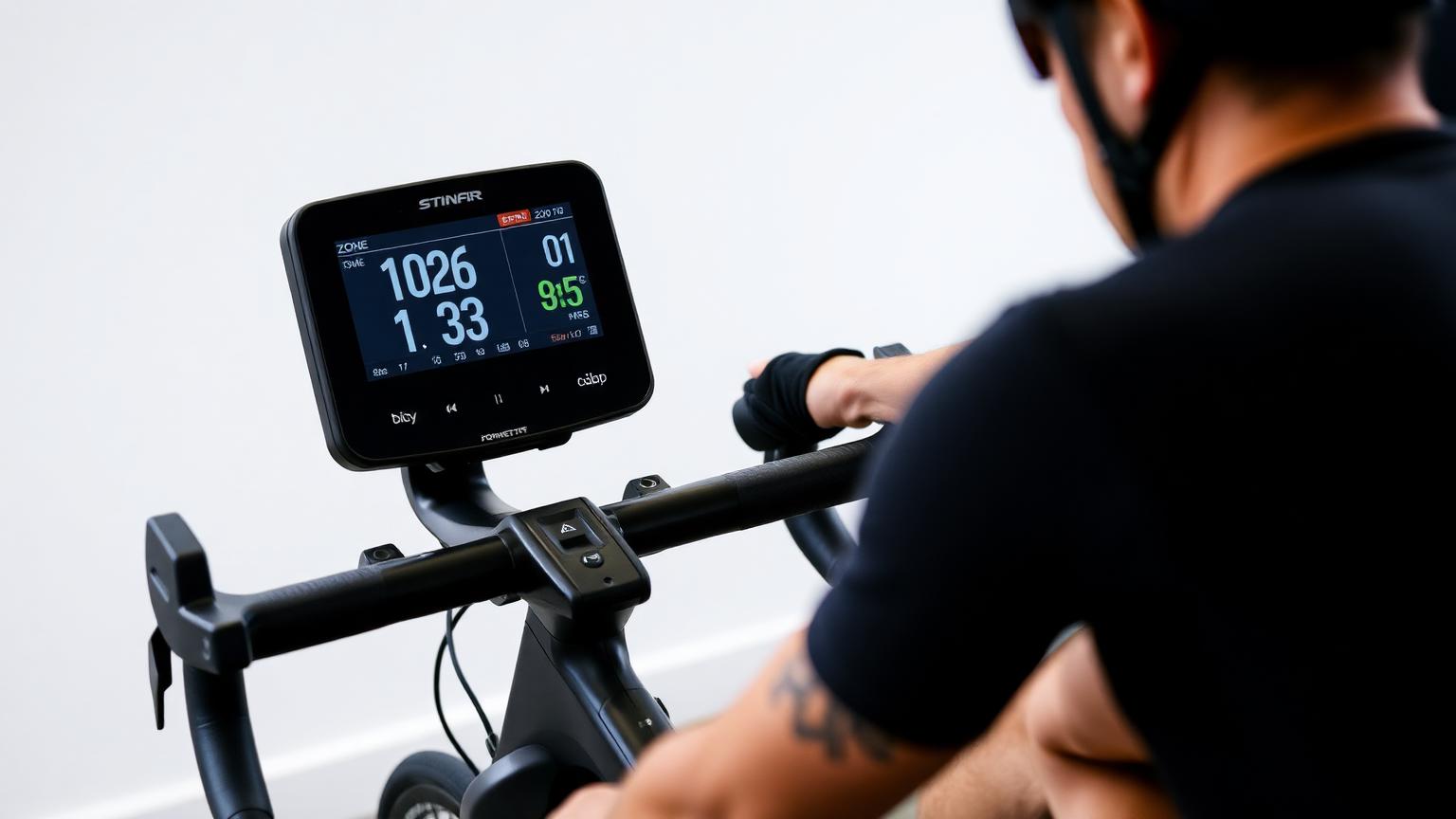
Zone 2 — conversational-pace aerobic work — is the training zone that builds mitochondrial density and metabolic flexibility. It's also the zone most people accidentally sabotage with either too much or too little fuel.
Why Fueling Matters More Than People Think
Chronic underfueling of Zone 2 (RED-S, Relative Energy Deficiency in Sport) suppresses testosterone, tanks HRV, breaks sleep, and paradoxically reduces fat oxidation over time. The mitochondrial adaptation you're chasing requires enough total energy availability to happen.
Pre-Session (60–120 min)
- Morning session < 75 min: Black coffee, water, 500 mg sodium. Fine to go fasted.
- Morning session 75+ min: 30–50 g easy carbs (banana, toast, oatmeal) 30–60 min prior.
- Afternoon/evening session: Normal meal 2–3 hr prior. Don't overthink it.
During (per hour of session)
- < 90 min: Water + 500–1,000 mg sodium.
- 90–150 min: Add 30–40 g carbs/hr from a drink mix or half a gel every 30 min.
- > 150 min: Push to 60–90 g carbs/hr using a 1:0.8 glucose-to-fructose ratio.
Post-Session
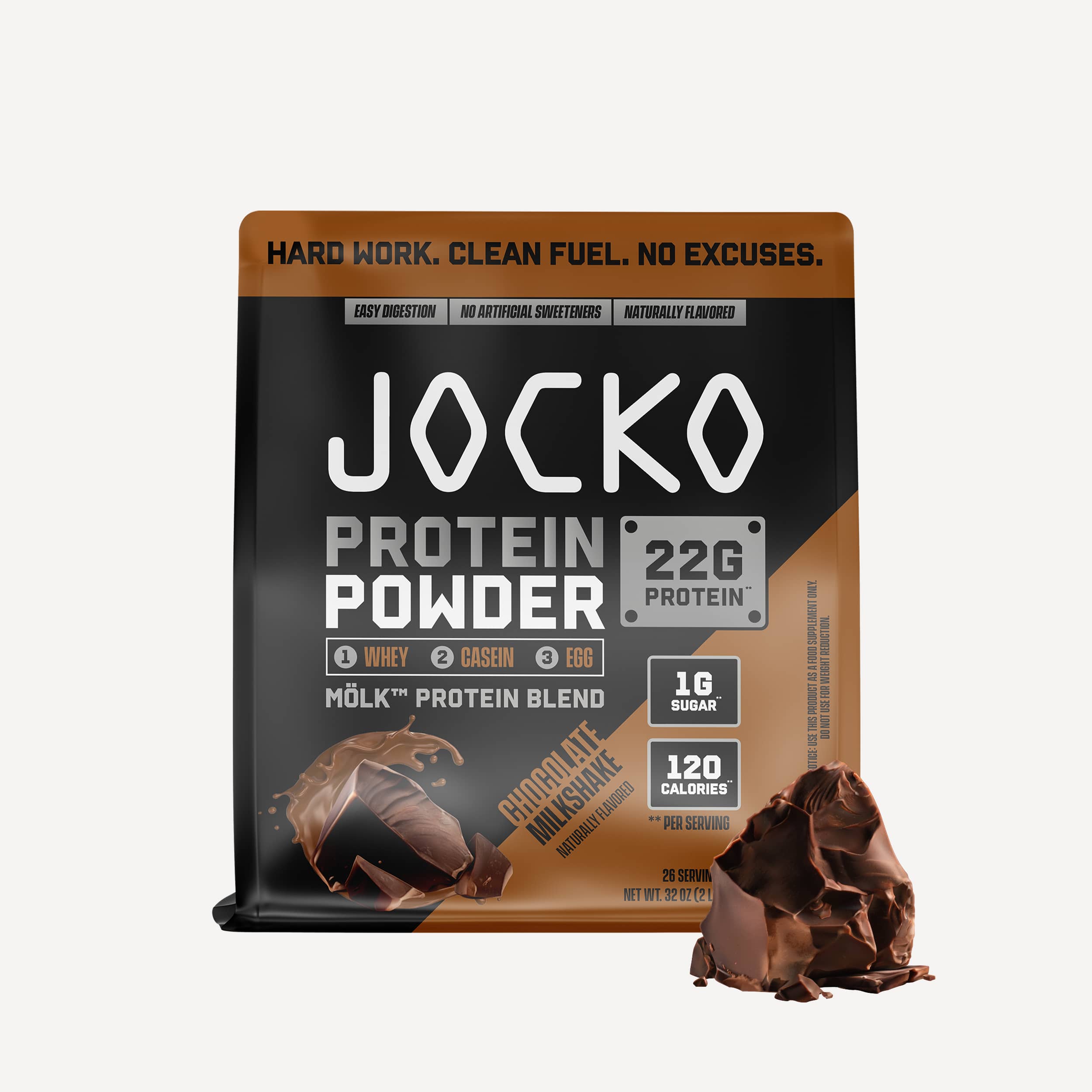
Real food within 60 min. Target 1.0–1.2 g/kg carbs plus 0.3 g/kg protein. For an 80 kg athlete, that's roughly 80–100 g carbs + 25 g protein. Skip specialized recovery drinks — a bowl of rice with chicken or a protein shake with a banana beats them at a fraction of the cost.
The Bottom Line
Zone 2 works best when you fuel it like the aerobic engine-building work it is — not like a fat-loss session. Feed the mitochondria and they'll grow.
Frequently Asked Questions
- Should I train Zone 2 fasted?
- Occasionally yes, for enhancing fat oxidation. But if every Z2 session is fasted, you'll under-fuel your training week and blunt total volume. 1–2 fasted Z2 sessions per week is a reasonable ceiling.
- Do I need gels during a 90-min Z2 ride?
- For pure aerobic work under 90 min, no. Water and electrolytes are enough. Past 90 min, 30–60 g carbs/hr improves adherence to zone and speeds recovery.