The Omega-3 Index: The Single Blood Marker That Predicts Recovery
Of every biomarker an athlete can track, the Omega-3 Index — the percentage of EPA + DHA in your red blood cell membranes — is one of the highest-leverage. It correlates with inflammation, cardiovascular risk, cognitive decline, and, for athletes specifically, joint recovery and muscle soreness.
The Target Range
- < 4% — Deficient. 90% of Americans start here.
- 4–8% — Suboptimal.
- 8–11% — Optimal for athletes and long-term health.
- > 12% — No added benefit; potential increase in bleeding time.
Why It Matters for Performance
A higher Omega-3 Index is linked to reduced DOMS after eccentric training, faster tendon and cartilage repair, lower resting inflammation, better cognitive performance under fatigue, and reduced concussion severity in contact-sport athletes. In collegiate athletes, average indexes hover around 4.3% — barely above deficiency.
How to Raise Your Score
- Baseline dose: 2 g/day combined EPA + DHA from a high-quality, third-party-tested fish or algae oil.
- Take with food: Omega-3s are fat-soluble; absorption doubles when taken with a fat-containing meal.
- Retest at 4 months: Adjust dose upward if still under 8%.
Choosing the Right Product
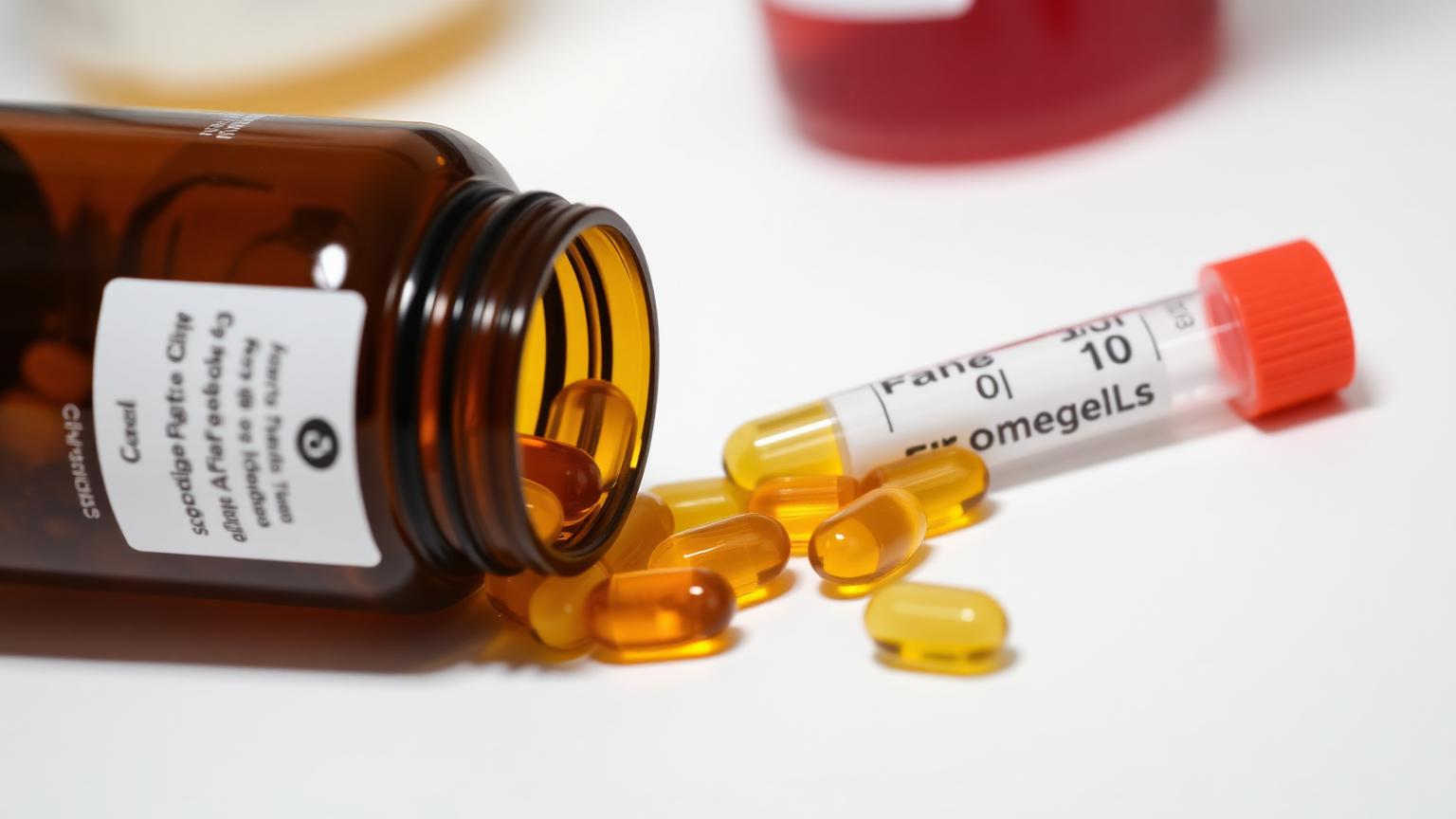
Two things separate a good omega-3 from a bad one: freshness (measured by TOTOX oxidation score, target < 10) and concentration (target > 60% EPA+DHA per gram). Momentous Omega-3 hits both — 1.6 g EPA+DHA per serving, IFOS 5-star certified, TOTOX < 5. NSF Certified for Sport for drug-tested athletes.
The Bottom Line
Test, don't guess. Get your Omega-3 Index, then dose to raise it into the 8–11% range. Shop Momentous Omega-3 →
Frequently Asked Questions
- How do I actually test my Omega-3 Index?
- At-home finger-prick kits from labs like OmegaQuant cost $50 and report your %EPA+DHA in red blood cell membranes. Retest every 3–4 months.
- How fast can I raise my score?
- About 4 months to reach steady state with 2 g/day EPA+DHA. Higher doses (3–4 g/day) get there in ~2 months.
- Is more always better?
- No. Above 12% there's no additional performance benefit and some data on bleeding time. Target 8–11%.